
 Save
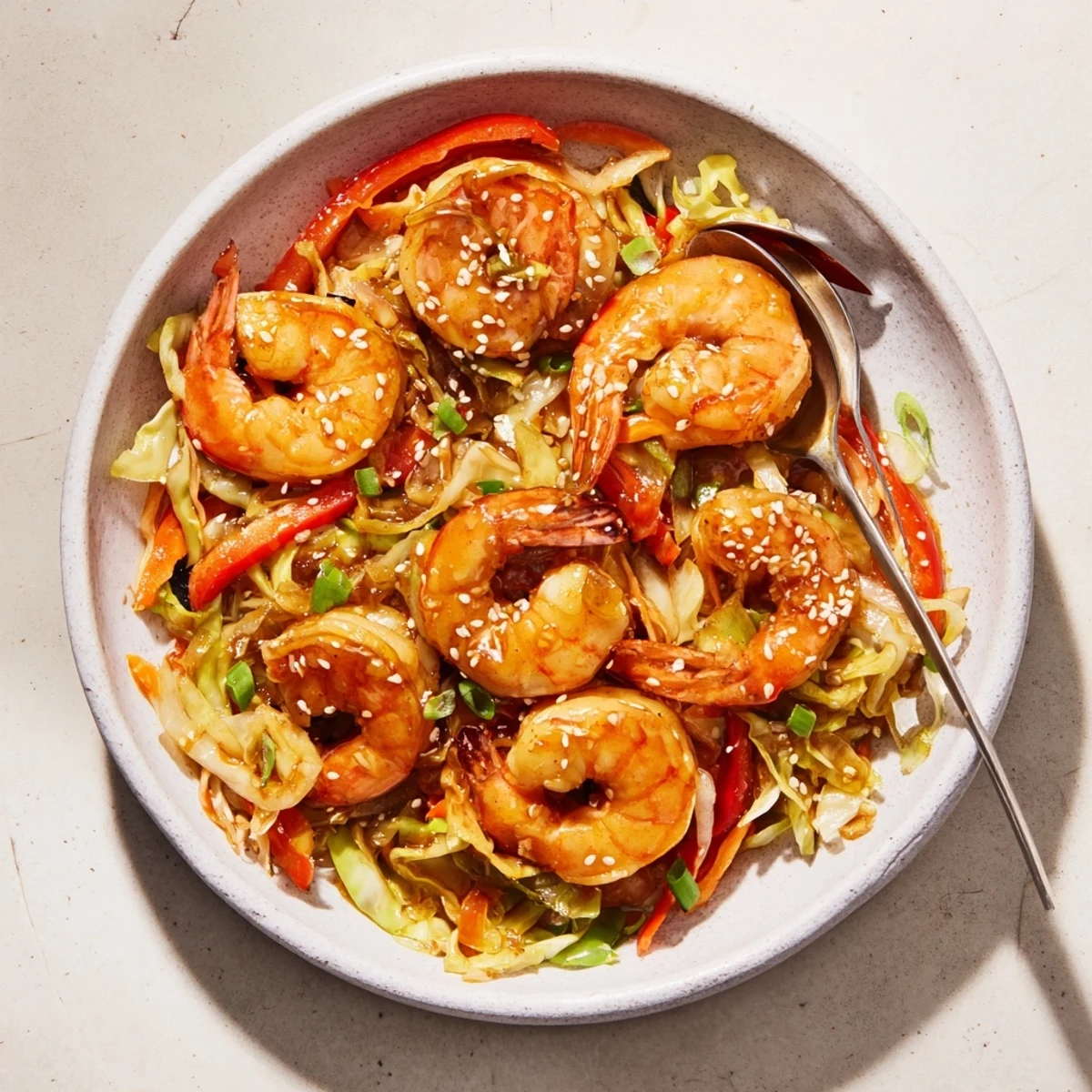
Save Quick and vibrant stir-fry of large shrimp and thinly sliced Napa cabbage tossed with julienned carrot, bell pepper, garlic and ginger. A whisked soy–oyster–sesame sauce thickens with a touch of cornstarch, coating the ingredients for glossy flavor. Ready in about 25 minutes; swap tamari for gluten-free or use tofu or chicken to change the protein.
The sizzle of shrimp hitting a screaming hot wok on a Tuesday evening is one of those sounds that instantly makes a kitchen feel alive. This stir fry came together one night when the fridge offered nothing but a half head of Napa cabbage and a bag of shrimp I had frozen in desperation. Ten minutes later I was standing at the counter eating straight from the pan, telling myself I would plate it properly next time. I never did.
My neighbor Dave knocked on the door one evening asking to borrow a screwdriver and walked away with a plate of this stir fry and no tool. He returned the empty plate the next day with a sticky note that just said more please. I made it for him the following weekend and we ate standing in the kitchen because the food disappeared before anyone thought about sitting down.
Ingredients
- Large shrimp (400 g, peeled and deveined): Fresh or frozen both work beautifully, but pat them completely dry with paper towels so they sear rather than steam.
- Napa cabbage (4 cups, thinly sliced): The delicate leaves cook down fast and soak up sauce better than regular cabbage ever could.
- Carrot (1 medium, julienned): Thin matchsticks cook quickly and add a satisfying crunch alongside the softer vegetables.
- Red bell pepper (1, thinly sliced): Its natural sweetness balances the salty depth of soy sauce and oyster sauce.
- Green onions (3, sliced): Save half for garnish and half for the pan, because the raw bite on top is worth the extra thought.
- Garlic (2 cloves, minced): Fresh garlic makes a real difference here, so skip the jarred version if you can.
- Fresh ginger (1 tablespoon, grated): Use a microplane to get it fine enough that it melts right into the sauce without leaving stringy bits behind.
- Soy sauce (3 tablespoons): Low sodium gives you more control over saltiness, and tamari works perfectly if you need gluten free.
- Oyster sauce (1 tablespoon): This is the secret weapon that adds body and umami you cannot get from soy sauce alone.
- Sesame oil (1 tablespoon): A little goes a long way, and its toasty aroma is what makes this dish smell like your favorite restaurant.
- Honey (1 teaspoon, optional): Just a touch rounds out the edges without making anything taste sweet.
- Rice vinegar (1 teaspoon): A bright acidic note that lifts the whole sauce and keeps it from feeling heavy.
- Cornstarch (1 teaspoon): This is what transforms a watery puddle into a glossy coating that sticks to the shrimp.
- Water (2 tablespoons): Mixed with cornstarch to create a smooth slurry before it hits the hot pan.
- Toasted sesame seeds (1 tablespoon): Sprinkle them on at the very end so they stay fragrant and do not go soft.
- Fresh cilantro or scallions (optional garnish): Either one adds a fresh pop of color and a clean finish to each bite.
Instructions
- Whisk the sauce together:
- In a small bowl, combine the soy sauce, oyster sauce, sesame oil, honey, rice vinegar, cornstarch, and water, whisking until the cornstarch disappears completely with no lumps hiding at the bottom.
- Sear the shrimp:
- Heat a tablespoon of oil in a large skillet or wok over medium high heat until it shimmers, then add the shrimp in a single layer and cook for two to three minutes until they turn pink and opaque, flipping halfway through so both sides get golden.
- Bloom the aromatics:
- Transfer the shrimp to a plate and in the same hot skillet toss in the garlic and ginger, stirring constantly for about thirty seconds until your kitchen smells incredible and everything turns fragrant.
- Toss in the vegetables:
- Add the julienned carrot, sliced bell pepper, and Napa cabbage to the pan, stir frying for two to three minutes until the cabbage just begins to wilt but the carrots and pepper still have a satisfying bite.
- Bring it all together:
- Return the shrimp to the skillet, pour in the prepared sauce, and stir everything vigorously for one to two minutes as the sauce bubbles and thickens into a glossy glaze that coats every piece evenly.
- Finish and serve:
- Toss in the green onions, remove from heat, and scatter sesame seeds and fresh herbs over the top before serving hot over steamed rice or noodles.
 Save
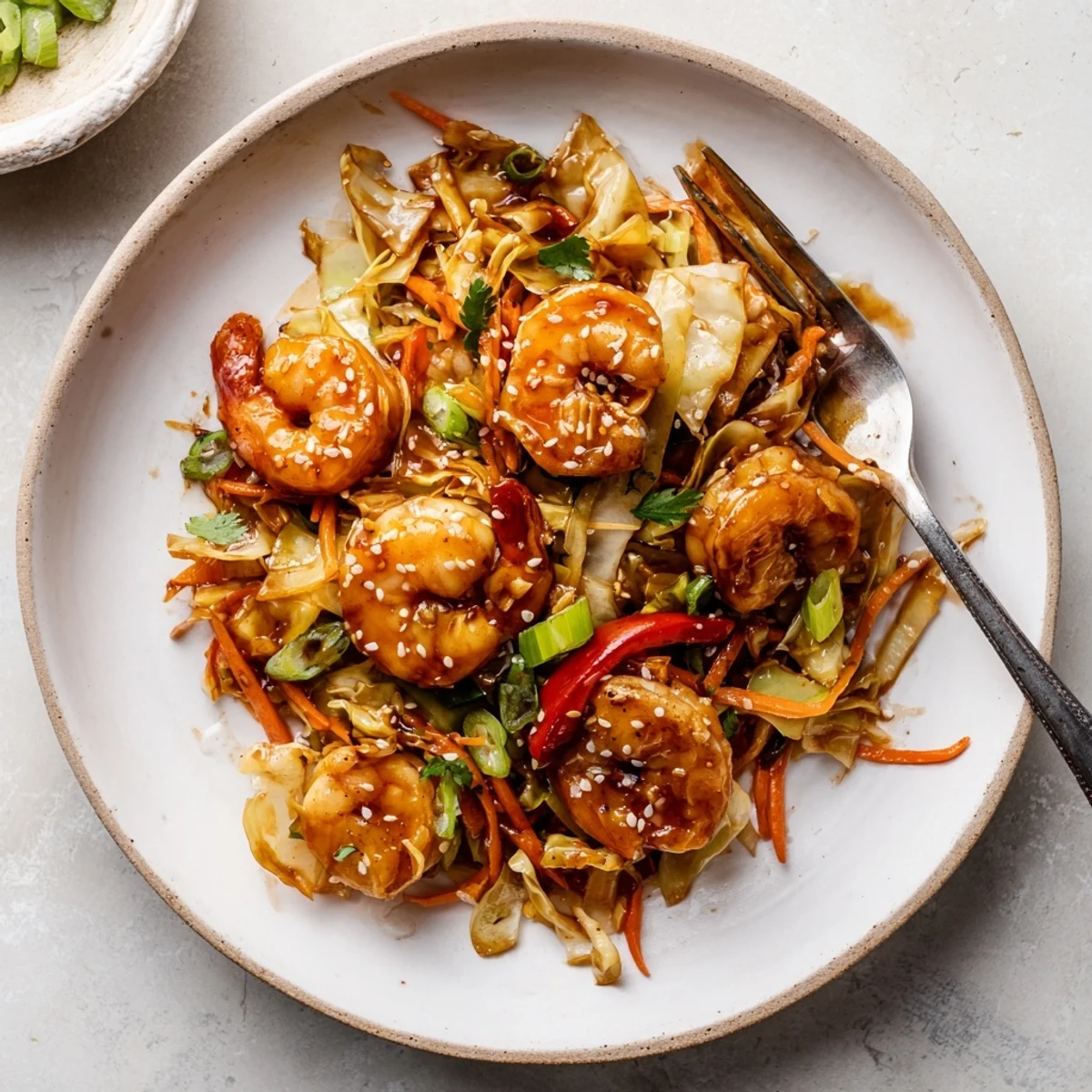
Save There is something about the way the cabbage collapses into silky ribbons while the shrimp stays plump and sweet that makes this dish feel like a small victory on an otherwise ordinary night.
Making It Your Own
Slice a red chili and toss it in with the garlic if you want warmth that builds with every bite. I have also made this with firm tofu pressed dry and cubed, and it absorbs the sauce just as eagerly as the shrimp does. Chicken thighs cut into bite sized pieces work beautifully too, just give them an extra minute or two to cook through completely.
What to Watch Out For
This recipe contains shellfish, soy, and sesame, so double check your oyster sauce label since many brands include wheat. If you are cooking for someone with allergies, tamari and a mushroom based stir fry sauce can replace both the soy sauce and oyster sauce without losing that deep savory character.
Getting Ahead of the Rush
You can slice all the vegetables and whisk the sauce together hours before you plan to cook, which means the actual dinner part takes under ten minutes. Store the prepped components in separate containers in the fridge so nothing gets soggy. The shrimp can be peeled and deveined in the morning and kept on a paper towel lined plate in the refrigerator.
- Pat the shrimp dry right before cooking, not when you prep them, for the best sear.
- Keep your wok or skillet screaming hot and do not walk away, because things move fast once they start.
- Serve immediately because this dish waits for no one and is best the moment it leaves the pan.
 Save
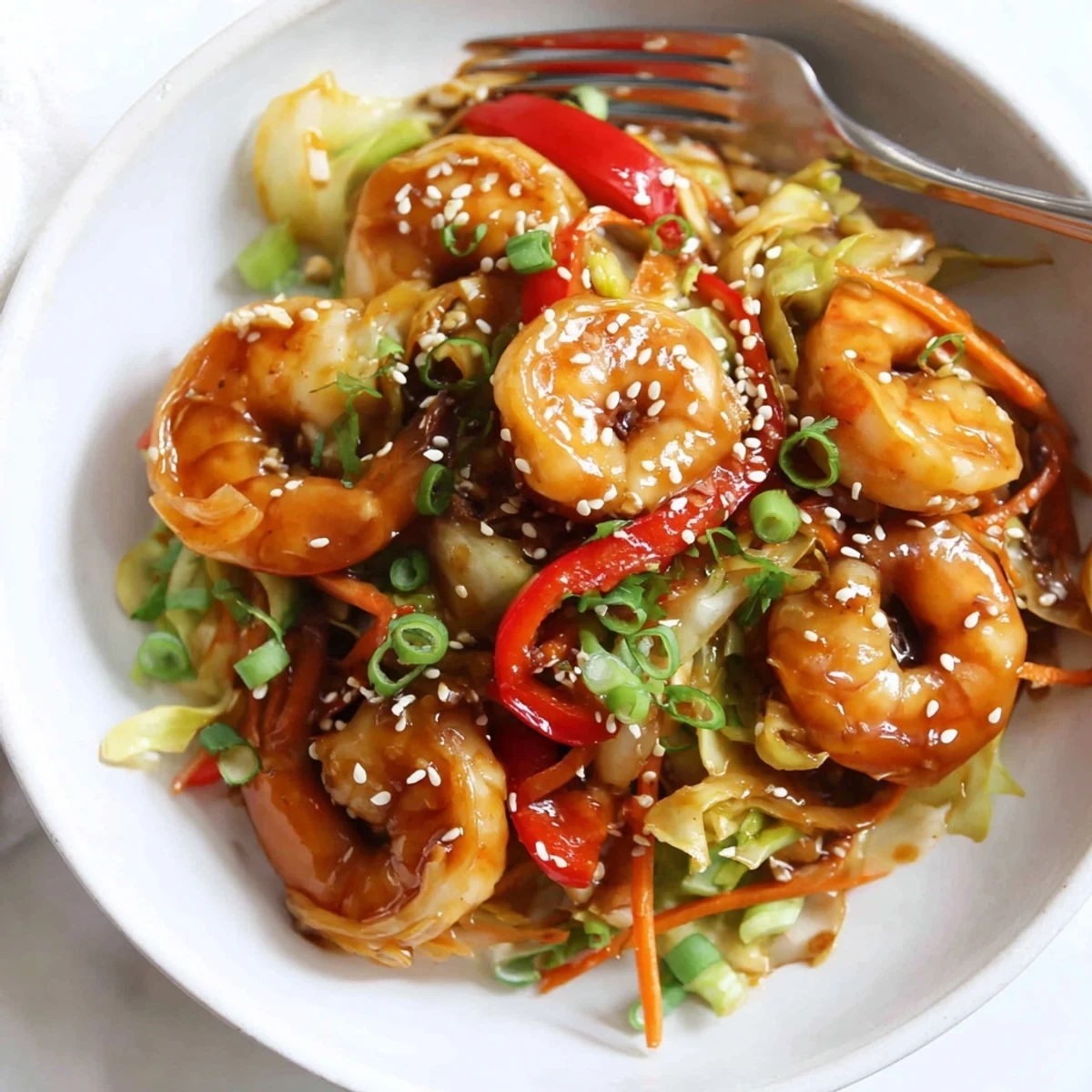
Save Some meals are about planning and precision, but this one is about speed, heat, and the joy of eating something vibrant and fresh before the evening even thinks about slowing down. Keep it in your back pocket for the nights when cooking feels like a chore and you will be grateful every time.
Common Questions
- → How can I keep shrimp tender without overcooking?
-
Cook shrimp on high heat for 2–3 minutes until just pink and opaque, then remove from the wok while you finish the vegetables. Return briefly to heat only to coat in sauce; residual heat will keep them juicy.
- → What’s the best way to slice Napa cabbage for even cooking?
-
Trim the core and thinly slice the leaves into bite-sized ribbons. Thinner slices cook quickly and retain a pleasant crunch when tossed briefly over high heat.
- → How do I thicken the sauce without changing flavor?
-
Mix 1 teaspoon cornstarch with cold water to make a slurry and add in the final minute of cooking. It thickens quickly and gives a glossy coating without altering the soy-sesame profile.
- → Can I make this gluten-free or swap allergens?
-
Use tamari or coconut aminos instead of soy and choose a gluten-free oyster sauce alternative. Be mindful of sesame and shellfish allergens and substitute with chicken or firm tofu as needed.
- → What vegetables pair best with shrimp and cabbage in this dish?
-
Julienned carrot, bell pepper and green onions add color and texture. Snow peas, bok choy or thinly sliced mushrooms also work well and cook quickly alongside the cabbage.
- → How should I serve and store leftovers?
-
Serve hot with steamed rice or noodles. Store cooled leftovers in an airtight container in the fridge for up to 2 days; reheat briefly in a skillet to preserve texture.