
 Save
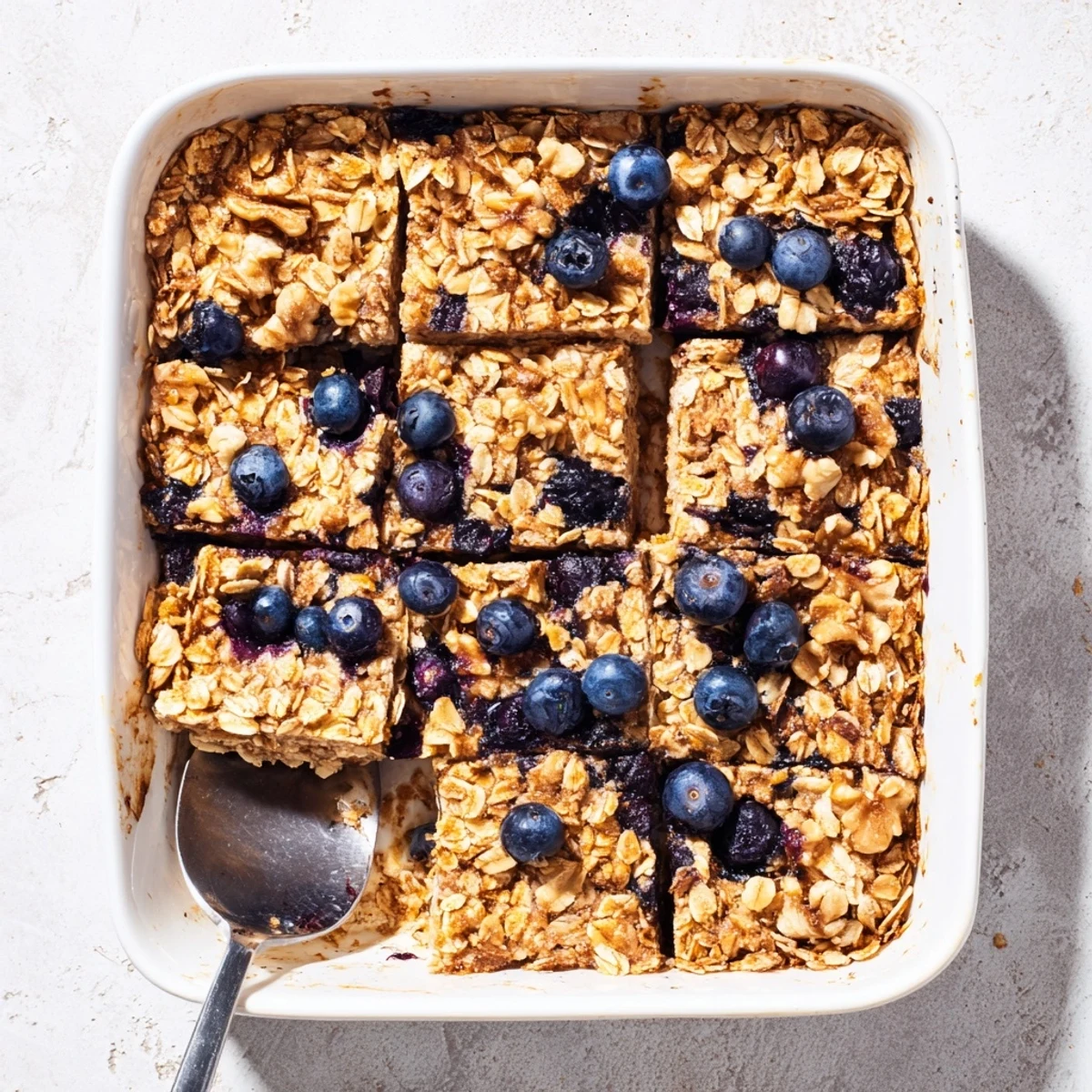
Save This hearty baked oatmeal combines old-fashioned rolled oats with warming cinnamon, crunchy walnuts or pecans, and brown sugar for natural sweetness. The creamy custard-like texture comes from whisking milk with eggs and vanilla, creating a satisfying morning meal that serves six.
Customize with fresh blueberries, sliced bananas, or diced apples—the fruit adds natural sweetness and moisture throughout. Bake until golden and set, then serve warm with a splash of milk or dollop of yogurt.
Perfect for meal prep, this dish reheats beautifully throughout the week. Make it nut-free by substituting seeds, or dairy-free using your favorite non-dairy milk and coconut oil instead of butter.
Saturday mornings in my kitchen have a rhythm all their own, and this baked oatmeal is usually the centerpiece. The oven clicks on, the dog settles near the vent, and within minutes the whole house smells like cinnamon and brown sugar doing their slow dance together. It started as an attempt to use up leftover oats and turned into the one breakfast my family actually requests by name. Warm, golden, and studded with whatever fruit looked good at the market, it is the coziest way to start any day.
I made this for a friend who was going through a rough patch and showed up at her door with the whole baking dish still warm, wrapped in a kitchen towel. She called me later that afternoon to say she ate half of it standing at the counter before she even made coffee. That is the kind of food this is, unpretentious and generous, the edible equivalent of a long hug from someone who really means it.
Ingredients
- Old fashioned rolled oats (2 cups): Do not substitute quick oats here or you will end up with a mushy mess instead of that lovely chewy texture that makes baked oatmeal worth eating.
- Chopped walnuts or pecans (1/2 cup): Toast them lightly in a dry pan first and you will unlock a depth of flavor that makes people ask what your secret is.
- Brown sugar (1/2 cup): Light or dark both work, but dark brown sugar adds a molasses note that pairs especially well with cinnamon and baked fruit.
- Baking powder (1 tsp): This is what gives the oatmeal a slight lift and keeps it from collapsing into a dense brick.
- Ground cinnamon (1 tsp): Fresh cinnamon makes a real difference, so if your jar has been open for more than a year, treat yourself to a new one.
- Salt (1/4 tsp): Just enough to make all the sweet flavors pop without ever tasting salty.
- Milk, dairy or non dairy (2 cups): Whole milk gives the richest result, but oat milk or almond milk work beautifully for a vegan friendly version.
- Large eggs (2): They bind everything together and contribute to that custardy layer that forms around the edges.
- Melted butter or coconut oil (1/4 cup): Butter adds flavor, coconut oil keeps it dairy free, and honestly you cannot go wrong either way.
- Vanilla extract (2 tsp): A generous pour of good vanilla is one of those small things that quietly makes everything better.
- Blueberries, sliced bananas, or diced apples (1 cup): Fresh or frozen both work, though frozen berries will bleed their color into the oatmeal in the most beautiful way.
Instructions
- Preheat and prep the pan:
- Set your oven to 350°F and generously grease a 9x9 inch baking dish with butter or coconut oil so every corner releases cleanly later.
- Mix the dry ingredients:
- In a large bowl, stir together the oats, nuts, brown sugar, baking powder, cinnamon, and salt until evenly distributed, taking a moment to break up any clumps in the sugar.
- Whisk the wet ingredients:
- In a separate bowl, whisk the milk, eggs, melted butter, and vanilla until smooth and cohesive, letting the warmth of the butter temper the eggs gently.
- Combine wet and dry:
- Pour the wet mixture over the dry ingredients and stir until every oat is coated and the mixture looks like a homogenous, slightly soupy batter.
- Fold in the fruit:
- Gently fold in your chosen fruit with a few careful strokes, being delicate with berries so they stay whole rather than turning into purple streaks.
- Spread and bake:
- Pour the batter into your prepared dish, spread it into an even layer, and slide it into the oven where it will bake for 35 to 40 minutes until the top is golden and the center is just set.
- Cool briefly and serve:
- Let it rest for about five minutes so it firms up enough to scoop neatly, then serve it warm with a splash of milk or a drizzle of maple syrup if you are feeling indulgent.
 Save
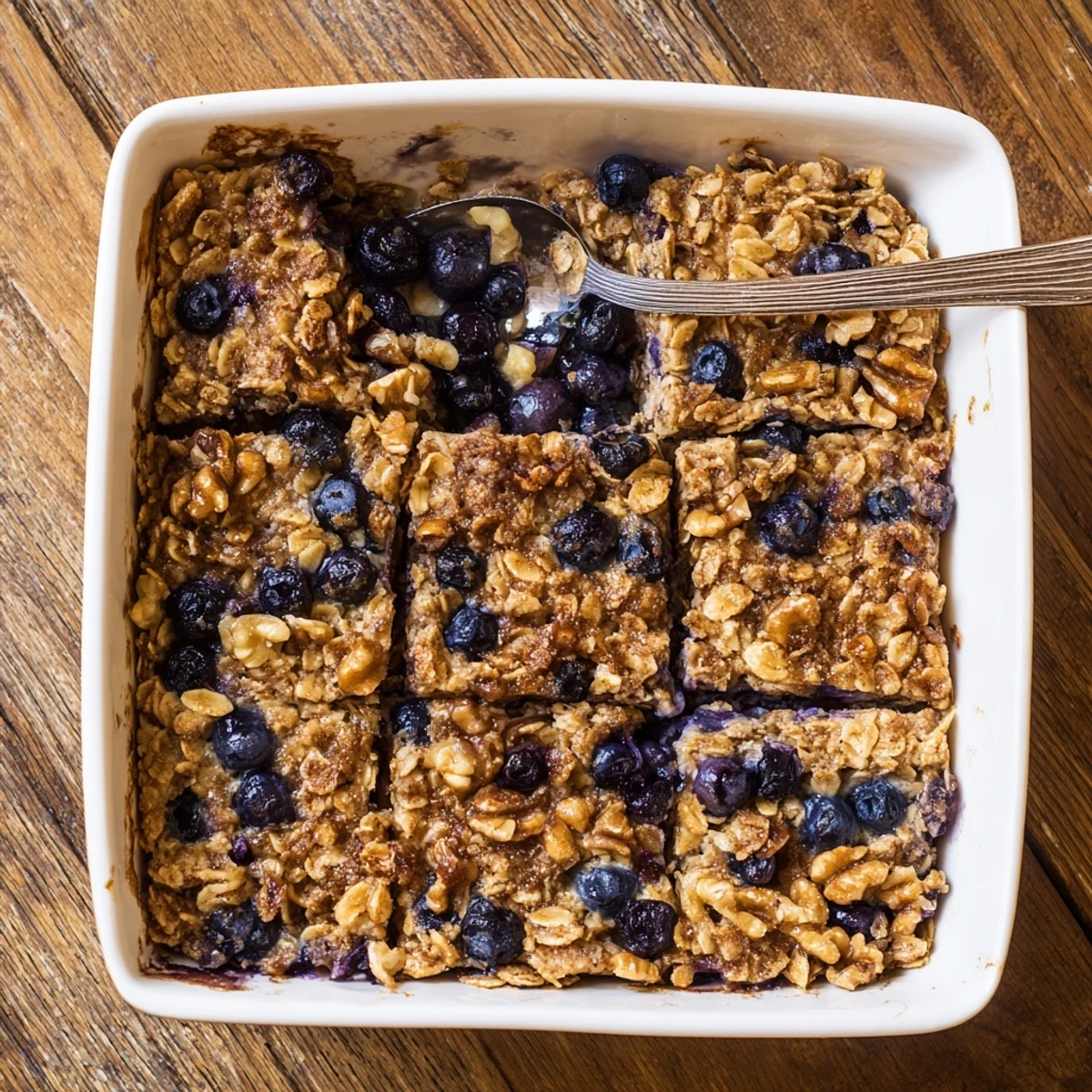
Save There is something about pulling a golden pan of baked oatmeal from the oven on a gray Sunday that makes the whole week feel survivable. It is not fancy or complicated, just honest food that does exactly what it promises.
Making It Your Own
The real joy of this recipe is how forgiving it is once you understand the basic ratio of oats to liquid to fat. I have thrown in diced pears with ginger, scattered dark chocolate chips across the top, and once even added a layer of cream cheese swirl that was completely unnecessary and absolutely perfect. Seasonal fruit is your best guide here, peaches in August, apples in October, and frozen berries any time the mood strikes. Trust your instincts over the written measurements because this dish rewards curiosity.
Storing and Reheating Like a Pro
This baked oatmeal holds up remarkably well in the refrigerator for up to five days, making it one of those rare breakfasts that actually tastes better as it sits and the flavors meld. Cut it into squares and store them in an airtight container with parchment between layers to keep them from sticking together. For reheating, a quick 30 second spin in the microwave does the trick, though a few minutes in a low oven restores that freshly baked texture if you have the time. I often eat the leftover squares cold straight from the fridge on busy mornings and somehow that feels like getting away with something.
What to Watch Out For
There are a handful of small things that can derail an otherwise perfect pan of baked oatmeal, and most of them happen at the ingredient level.
- Quick oats will collapse into glue, so always reach for old fashioned rolled oats with their thicker, sturdier flakes.
- If using frozen fruit, do not thaw it first or you will add too much moisture and the center may never fully set.
- Always check that your baking powder is fresh because this recipe relies on it for the only rise it gets.
 Save
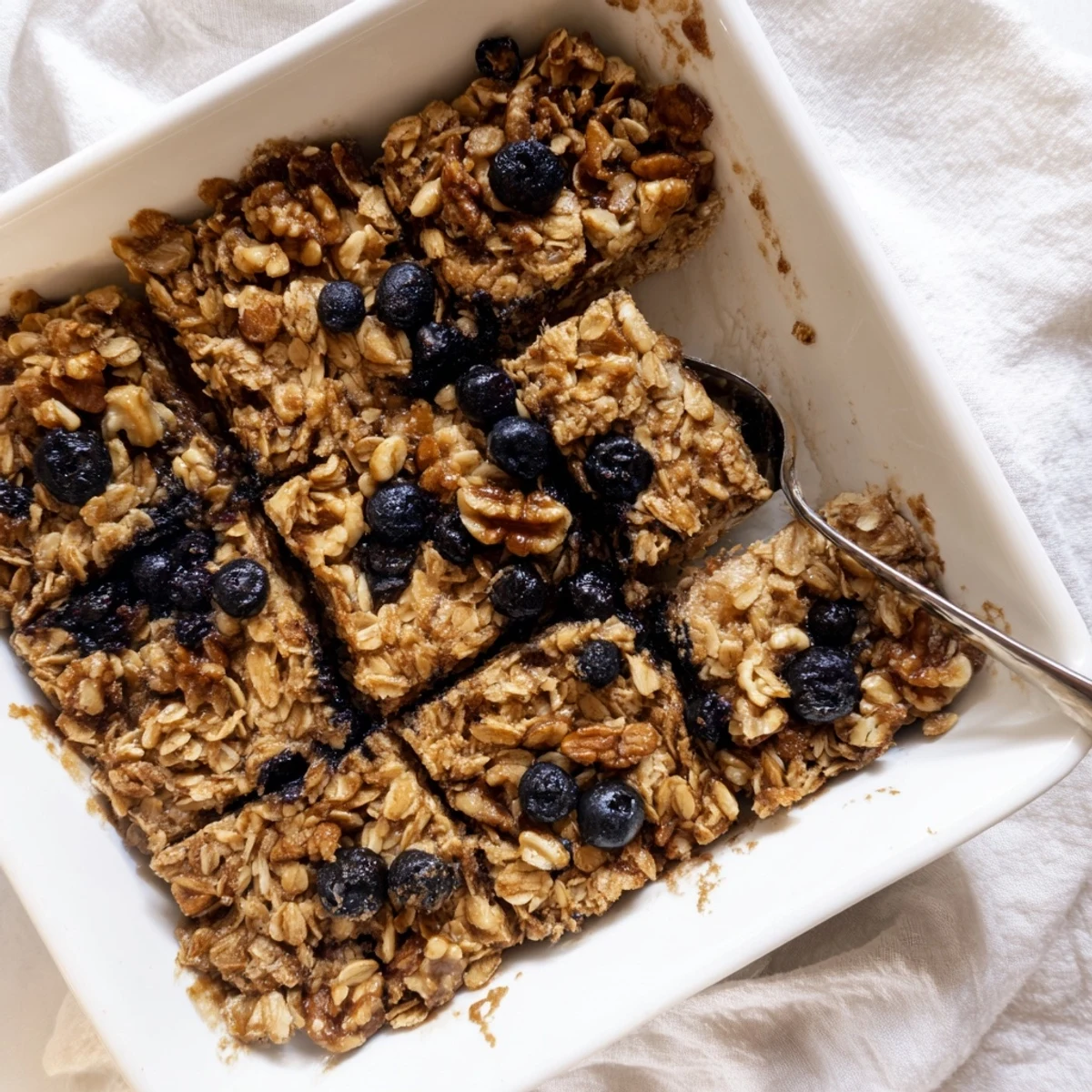
Save Keep this recipe close because you will come back to it again and again, and each time it will feel like catching up with an old friend who never disappoints.
Common Questions
- → Can I make baked oatmeal ahead of time?
-
Absolutely. Baked oatmeal reheats beautifully and actually develops more flavor overnight. Store in an airtight container in the refrigerator for up to 5 days. Warm individual portions in the microwave for 1-2 minutes or in a 350°F oven until heated through.
- → What fruits work best in baked oatmeal?
-
Fresh or frozen blueberries, sliced bananas, diced apples, pears, peaches, or cherries all work wonderfully. Frozen fruit may require an extra 5-10 minutes of baking time. Arrange fruit evenly throughout the batter for consistent distribution in every serving.
- → Can I use steel-cut oats instead of rolled oats?
-
Steel-cut oats require more liquid and longer cooking time, so they're not ideal for this recipe. Stick with old-fashioned rolled oats for the best texture. Quick-cooking oats will work but may result in a softer, less textured final dish.
- → How do I know when baked oatmeal is done?
-
The oatmeal is ready when the edges are golden brown and the center is set—no jiggly liquid remains. A knife inserted near the center should come out clean. The top will feel firm but slightly springy to the touch. Let it rest for 5-10 minutes before serving.
- → Can I freeze baked oatmeal?
-
Yes, freeze individual portions or the entire dish. Wrap tightly in plastic and foil, then freeze for up to 3 months. Thaw overnight in the refrigerator before reheating. Individual portions reheat in the microwave in 2-3 minutes.
- → What makes baked oatmeal different from stovetop oatmeal?
-
Baked oatmeal has a custard-like, cakey texture from the eggs and longer baking time. It holds its shape when sliced, unlike stovetop oatmeal which is spoonable and creamier. The baking process also creates a lightly crisped top and deeper, caramelized flavors.