
 Save
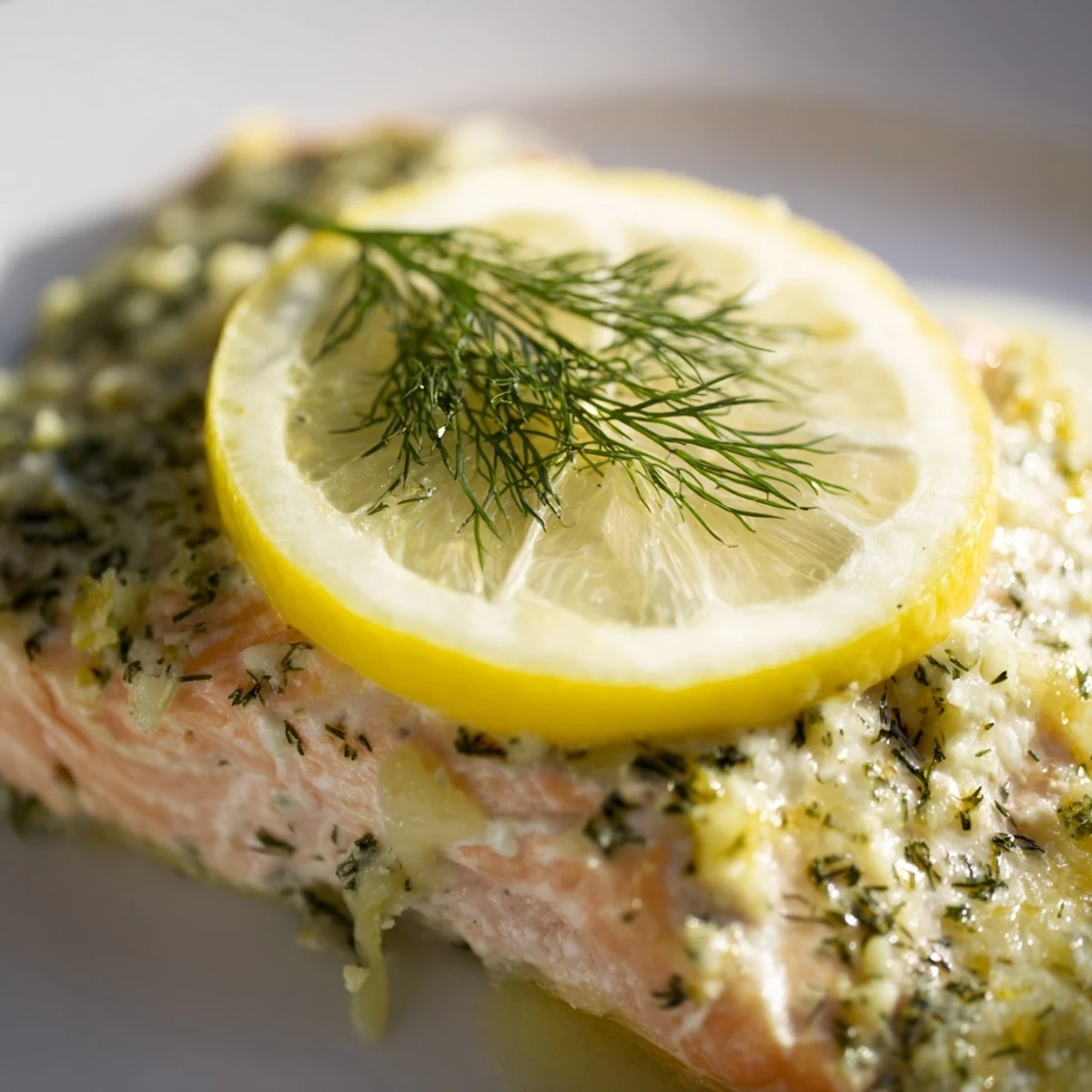
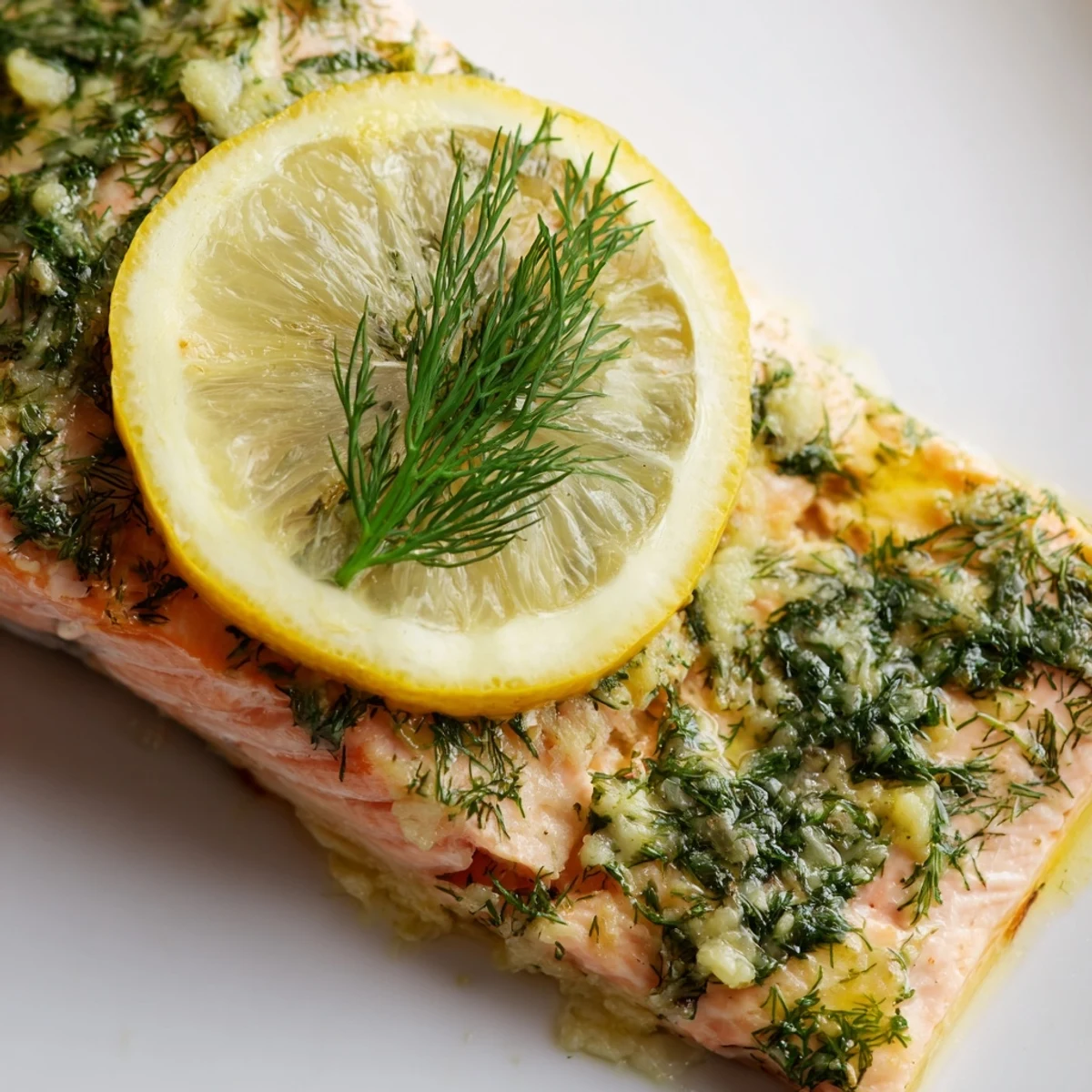
Save This dish features succulent salmon fillets oven-baked to perfection and topped with a rich, fragrant homemade dill butter infused with garlic and lemon zest. The fresh lemon slices add a bright, citrusy note that complements the savory fish. Ready in under 30 minutes, it offers a light yet flavorful meal ideal for any occasion. Serve with steamed vegetables or a fresh salad for a complete dining experience.
There's something about the smell of butter and dill hitting hot salmon that makes everything feel intentional. I discovered this recipe on a weeknight when I was tired of overthinking dinner, grabbed what I had, and threw it together in the most casual way possible. Twenty minutes later, I was genuinely surprised by how elegant it tasted, how the lemon cut through the richness, and how my guests actually asked for the recipe. Sometimes the simplest ideas stick around because they just work.
I made this for my sister when she was going through a phase of trying to eat better, and she actually made it three times in one week. She called me frustrated because it was so good she'd already memorized the steps, and she wanted to know if there was a trick she was missing. There wasn't one—just quality salmon, intentional seasoning, and letting the oven do the work.
Ingredients
- Salmon fillets: Four 150-gram pieces, skin-on if you can get them because that crispy skin is secretly the best part and worth planning for.
- Unsalted butter: Sixty grams, softened to the point where your finger leaves an indent without pushing hard, because you're folding delicate herbs into it.
- Fresh dill: Two tablespoons chopped fine, and please use fresh—dried dill tastes like a memory of herbs, not like herbs themselves.
- Garlic: One clove minced small, just enough to whisper into the background rather than shout.
- Lemon zest: One teaspoon from a fresh lemon, the yellow part only because the white gets bitter and ruins the whole mood.
- Sea salt and black pepper: Half and quarter teaspoon respectively, but honestly taste the butter mixture and adjust because your hand might be heavier than mine.
- Lemon slices and fresh dill sprigs: For serving, because what you finish with is what people remember.
Instructions
- Heat your oven and prep your stage:
- Set the oven to 200°C and line a baking sheet with parchment paper or a light grease. This matters because salmon sticks and ruins the bottom if you're not careful, and nobody wants that frustration.
- Make the dill butter while you have a second:
- Combine softened butter, dill, minced garlic, lemon zest, salt, and pepper in a small bowl and stir until it's a cohesive, fragrant paste. Taste it on your finger—this is where all your flavor is living.
- Dry and arrange the salmon:
- Pat each fillet dry with paper towels because moisture is the enemy of browning, then lay them skin-side down on your prepared sheet. Give them a little space, like they're people on a crowded bus who need their own room.
- Spread the butter generously:
- Divide the dill butter among the fillets and spread it over the top of each one with the back of a spoon. Don't be shy—this is what makes it work.
- Add lemon and bake:
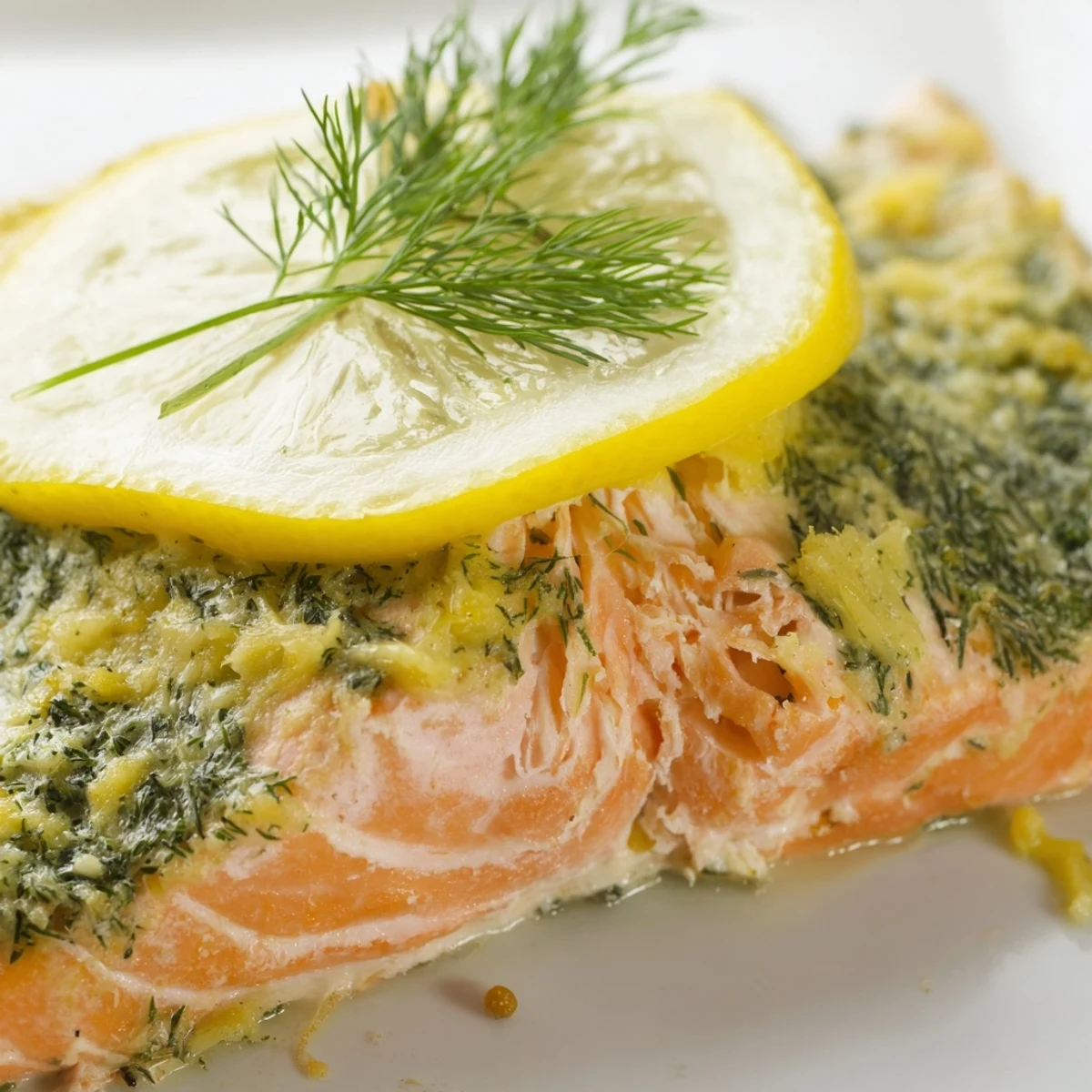
- Top each fillet with a couple of thin lemon slices, then slide the sheet into the oven for 15 to 18 minutes until the salmon flakes easily with a fork and registers 63°C internally. You'll know it's done when it stops looking raw at the thickest part.
- Finish and serve:
- Pull the salmon out, transfer each fillet to a plate, scatter fresh dill sprigs on top, and serve with extra lemon wedges on the side.
 Save
Save I remember my partner tasting this and then going quiet for a moment before asking if I'd made it at a restaurant first and was just pretending to cook it. That's when I realized the dill butter had done something unexpected—it had made something ordinary feel special. That's the whole point of this recipe, really.
Why Fresh Dill Changes Everything
Dill is one of those herbs that people either reach for immediately or skip entirely, but with salmon it's non-negotiable. The bright, anise-like flavor cuts through the richness of the fish and butter in a way that feels almost sharp, almost refreshing, and completely necessary. I've tried this with other herbs and it's never quite the same—parsley is too mild, tarragon is too strong, and cilantro is just wrong. Dill was made for this pairing.
Serving This With Intention
The lemon wedges aren't optional, they're essential. Some people will squeeze them over the salmon immediately, others will wait until halfway through, and some will just use them to cut the richness on the side. Let everyone choose their own moment, because the acidity is what transforms the whole plate. I usually serve this with something neutral on the side—roasted potatoes, steamed vegetables, or a simple green salad—because the salmon and butter are already doing all the talking.
Small Details That Shift Everything
The difference between good and great salmon comes down to how dry you get it before cooking, how even the heat is, and how attentive you stay in those last few minutes. An extra thirty seconds in the oven can flip the whole thing from perfect to overcooked, so set a timer and actually listen for it. If you're nervous about timing, use a meat thermometer and pull it at exactly 63°C, which is cooked through but still tender.
- Skin-on salmon crisps beautifully in a hot oven, so don't peel it off before cooking even if you plan to remove it at the table.
- If you want to add drama, brush the sheet lightly with white wine before baking so the salmon sits in a little bit of liquid that becomes a light sauce.
- The lemon zest matters more than lemon juice in the butter, so don't skip it thinking juice will do the same work.
 Save
Save This recipe works because it respects the salmon and gets out of its way. Make it once and you'll understand why it stuck around in my regular rotation.
Common Questions
- → How do I know when the salmon is done?
-
The salmon is done when it flakes easily with a fork and the internal temperature reaches 63°C (145°F).
- → Can I use frozen salmon fillets?
-
Yes, thaw the frozen salmon completely in the refrigerator before patting dry and applying the dill butter.
- → Is this dish gluten-free?
-
Yes, the ingredients used are naturally gluten-free, making it suitable for those with gluten sensitivities.
- → Can I substitute the butter for a dairy-free option?
-
Absolutely, use a plant-based butter alternative to make the dish dairy-free and vegan-friendly.
- → What sides pair well with this salmon?
-
Steamed vegetables, roasted potatoes, or a fresh green salad complement the flavors of this dish beautifully.