
 Save
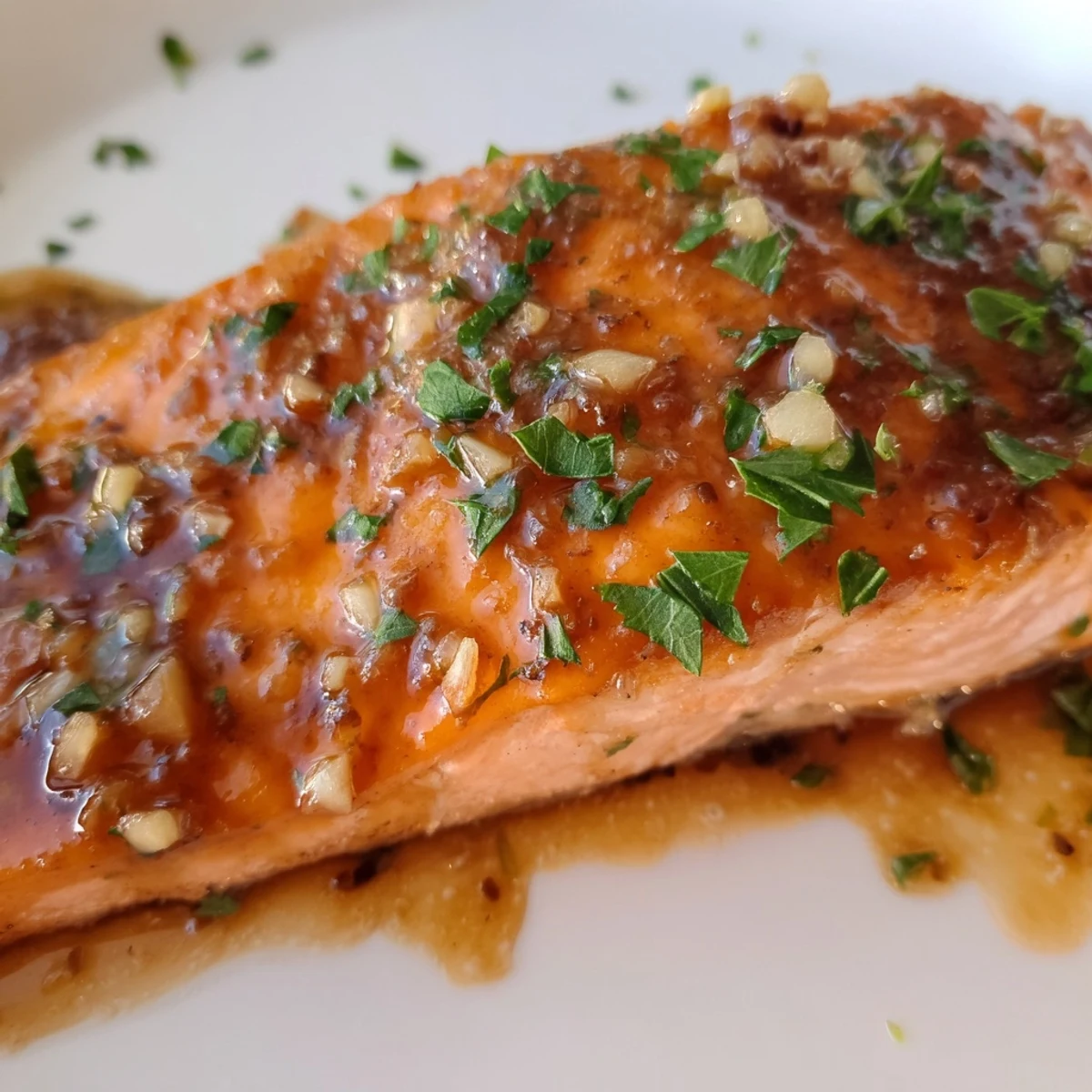
Save This dish features salmon fillets baked to tender perfection, coated in a luscious honey garlic glaze that balances sweet and savory flavors. The glaze combines honey, soy sauce, fresh lemon juice, garlic, olive oil, and Dijon mustard to create a rich, aromatic coating. Baking at high heat ensures a flaky texture while preserving juiciness. Garnished with fresh parsley and served with lemon wedges, this meal is an easy and nutritious choice for a quick dinner.
I discovered this honey garlic glaze completely by accident one weeknight when I had salmon thawing but nothing fancy in my pantry. I grabbed honey, soy sauce, and a few cloves of garlic, whisked them together, and something magical happened in the oven—the glaze turned glossy and caramelized while the fish stayed tender underneath. Now it's the first thing I make when I want to feel like I've done something impressive without actually trying that hard.
The first time I made this for my sister, she arrived right as I was pulling it from the oven and the aroma practically knocked her over. She kept saying the kitchen smelled like a fancy restaurant, which honestly felt like the highest compliment. After that, she requested it for every dinner I cooked for her.
Ingredients
- Salmon fillets (4, about 6 oz each): Look for ones with a peachy-pink color and no browning around the edges—that's how you know they're fresh. Skin-on keeps everything juicier.
- Honey (3 tablespoons): This sweetens the glaze but also caramelizes in the heat, creating that addictive sticky coating. Don't skip it or use less.
- Soy sauce (3 tablespoons): The backbone of the glaze that keeps it from tasting like dessert. Use tamari if you need it gluten-free.
- Fresh lemon juice (2 tablespoons): Squeeze it yourself right before cooking—bottled won't give you that bright edge.
- Garlic (4 cloves, minced): Mince it fine so it cooks into the glaze instead of turning into tough little chunks.
- Olive oil (2 tablespoons): Helps the glaze coat everything evenly and prevents it from burning.
- Dijon mustard (1 teaspoon): A small amount adds depth and helps emulsify the glaze without being noticeable.
- Salt and pepper: Season the salmon itself before the glaze goes on so every bite has flavor throughout.
- Fresh parsley (1 tablespoon, chopped): A handful at the end brightens everything up and makes it look intentional.
Instructions
- Heat your oven and prepare:
- Preheat to 200°C (400°F) and line a baking sheet with parchment paper. This prevents sticking and makes cleanup actually enjoyable.
- Make the glaze:
- In a small bowl, whisk honey, soy sauce, lemon juice, minced garlic, olive oil, and mustard together until you can't see any streaks of honey anymore. The mixture should smell deeply savory with a sweet undertone.
- Prep the salmon:
- Lay fillets on the prepared sheet and pat them completely dry with paper towels—this helps them cook evenly. Season both sides generously with salt and pepper.
- First glaze application:
- Spoon or brush half the glaze over the fillets, making sure it pools a bit around the edges. Reserve the rest—you'll use it later.
- Bake the salmon:
- Slide into the oven for 12 to 15 minutes, depending on thickness. The salmon is done when it flakes apart easily with a fork and the thickest part is opaque all the way through.
- Thicken the remaining glaze:
- While the salmon cooks, pour the reserved glaze into a small saucepan and simmer over medium heat for 2 to 3 minutes, stirring often. It'll go from thin and pourable to glossy and clingy.
- Final glaze and serve:
- Remove salmon from the oven and brush generously with the thickened glaze. Scatter parsley over top and serve with lemon wedges on the side.
 Save
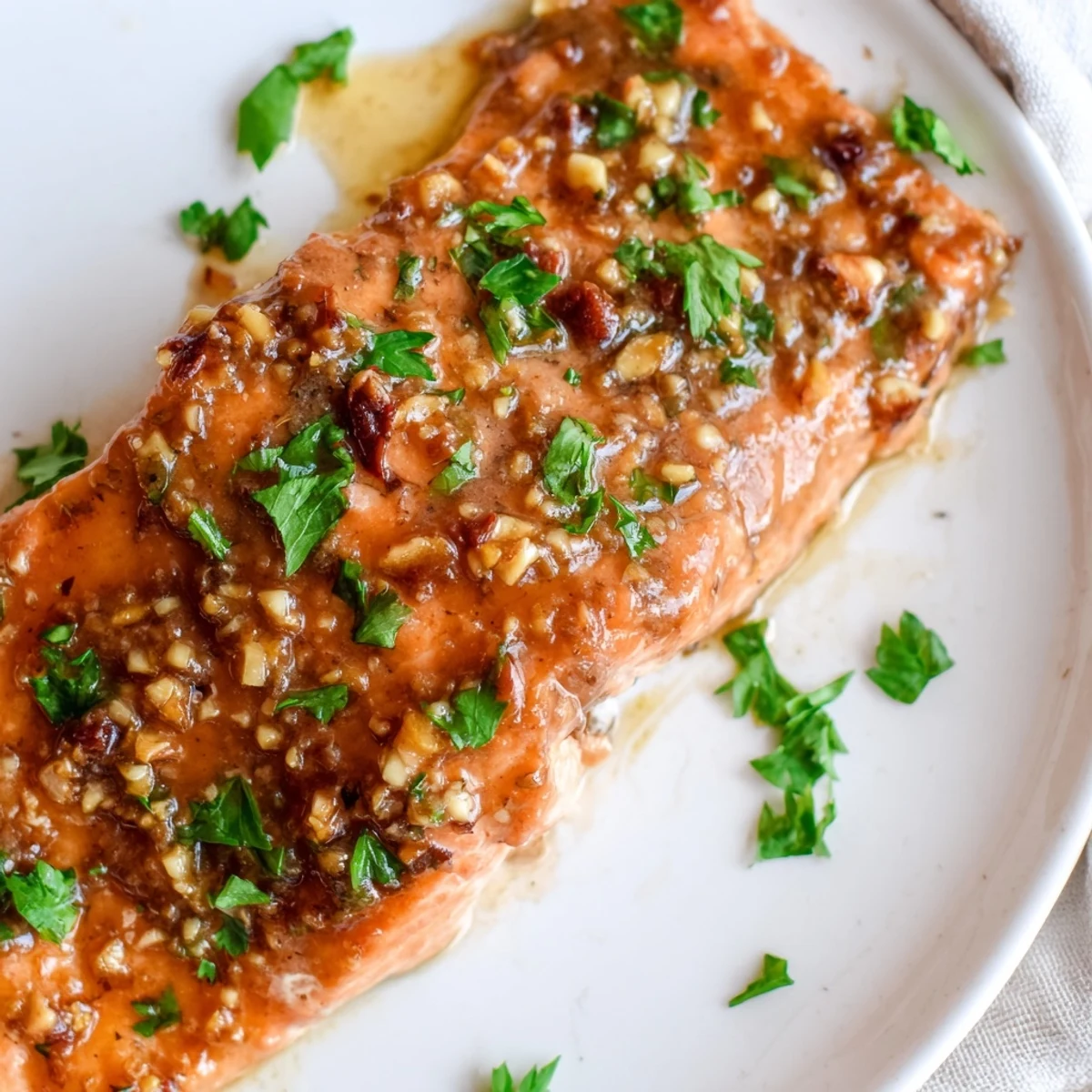
Save There's a moment right after you brush that thickened glaze on hot salmon when it gleams under the kitchen light and you realize you've made something genuinely beautiful. It's those small wins in the kitchen that make cooking feel less like a chore and more like creating something worth savoring.
Why This Glaze Works
The honey provides sweetness that caramelizes in the oven's dry heat, creating depth and complexity. The soy sauce anchors everything with umami and salt, while the lemon juice cuts through richness and keeps the palate feeling fresh. That small amount of Dijon mustard is a secret—it's barely noticeable but it ties all the flavors together like a hidden thread.
What to Serve Alongside
This salmon shines next to almost anything because the glaze is bold enough to stand on its own. Steamed jasmine rice soaks up the glaze beautifully, roasted vegetables like broccoli or asparagus add texture, and a simple green salad with vinaigrette keeps everything balanced. The lemon wedges are essential—a squeeze right before eating brightens everything and prevents the dish from feeling heavy.
Playing with the Recipe
Once you understand how this glaze works, you can adapt it to match what you have or what you're craving. Maple syrup works in place of honey and gives an earthier sweetness, ginger adds a pleasant warmth, and a pinch of red pepper flakes brings unexpected heat. For a caramelized finish that feels extra special, slide the glazed salmon under the broiler for the last minute or two—watch it carefully because it goes from glossy to burned faster than you'd expect.
- Add minced fresh ginger to the glaze for warmth and brightness.
- Broil for just 1 to 2 minutes at the end for a caramelized crust.
- Serve with lime wedges instead of lemon if you're in a different mood.
 Save
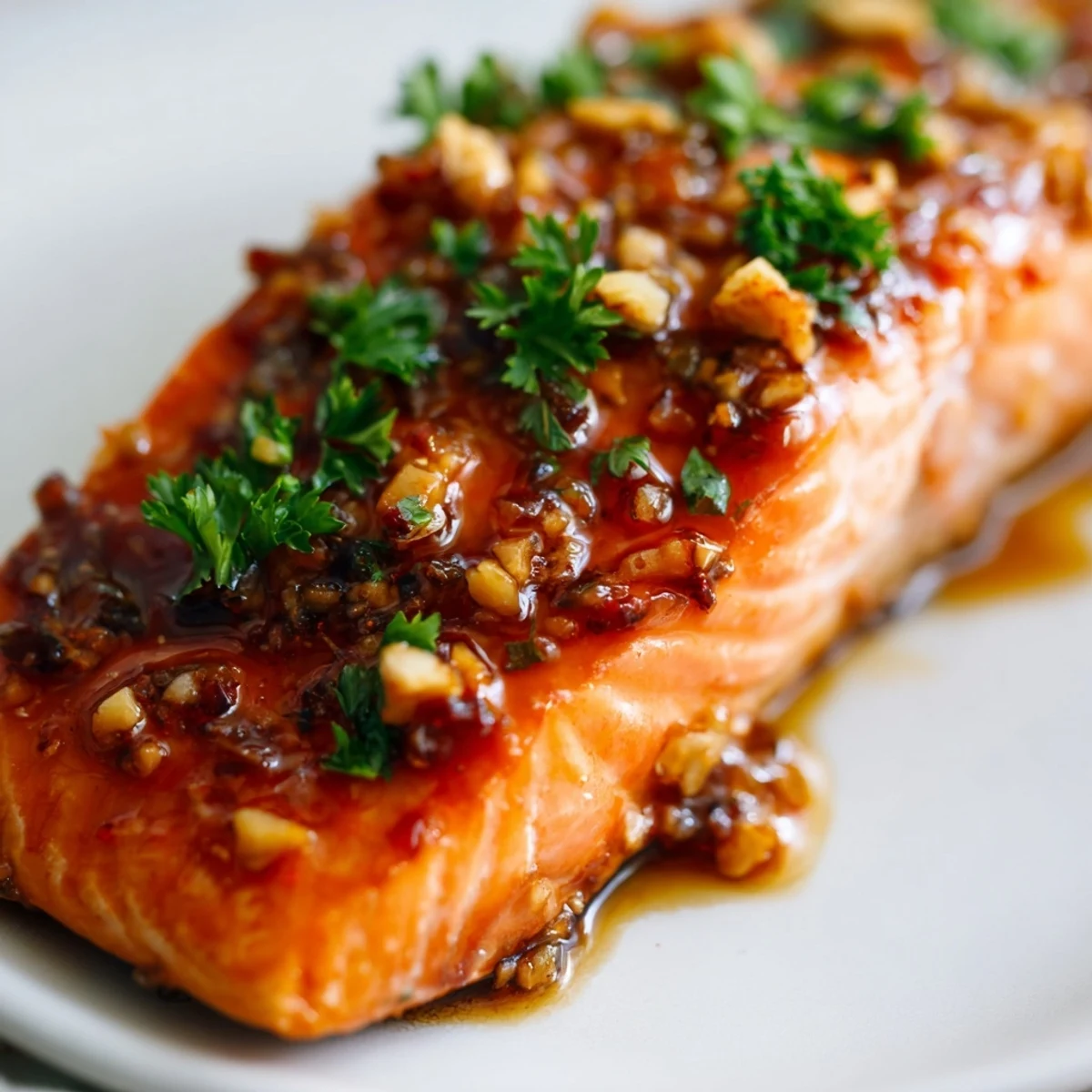
Save This is the kind of recipe that quietly becomes a regular in your rotation because it delivers every single time. Whether you're cooking for yourself on a Tuesday or impressing someone special, the glaze does the heavy lifting and you get to feel like a hero.
Common Questions
- → What type of salmon is best for baking?
-
Choose skin-on or skinless fillets weighing about 6 oz each for even cooking and tender results.
- → How can I make the glaze thicker?
-
Simmer the reserved glaze over medium heat for a few minutes until slightly thickened before applying it.
- → Can I substitute ingredients in the glaze?
-
Maple syrup can replace honey, and gluten-free soy sauce works well for dietary needs.
- → What side dishes pair well with this salmon?
-
Steamed rice, roasted vegetables, or fresh salads complement the flavors perfectly.
- → How do I achieve a caramelized finish?
-
Broil the salmon for the last 1–2 minutes to get a caramelized, slightly crispy top.