
 Save
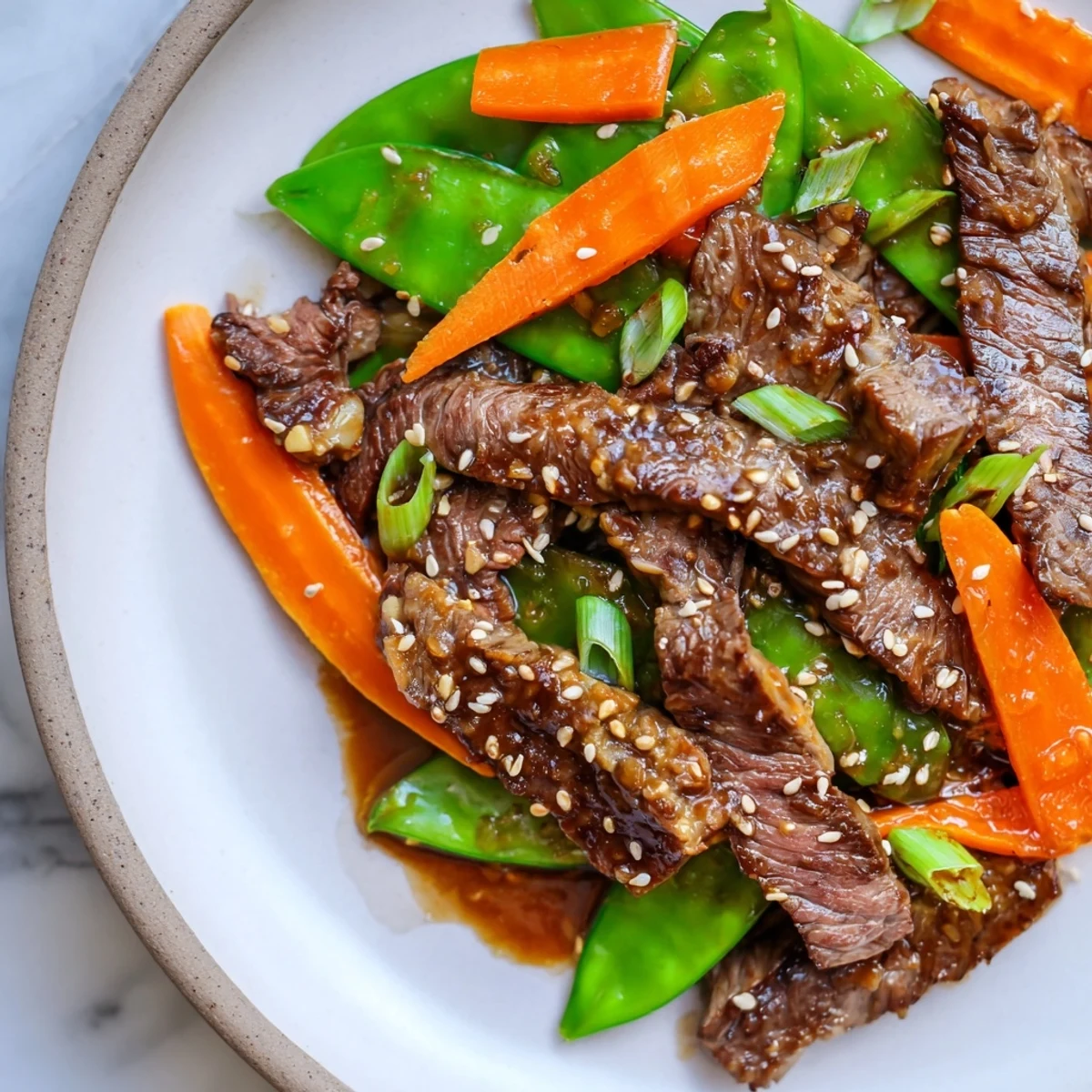
Save This vibrant dish features tender flank steak slices quickly cooked with crisp snow peas and sweet carrots. The rich, savory Asian-inspired sauce blends soy, oyster, and hoisin elements enhanced by garlic and ginger. Cooked over high heat, the beef stays juicy while the vegetables maintain a crisp-tender texture. Garnished with scallions and sesame seeds, it pairs perfectly with jasmine rice or noodles for a satisfying, quick meal that balances flavors and textures harmoniously.
There's something about the sizzle of beef hitting a screaming hot wok that makes everything feel urgent in the best way. My neighbor introduced me to this stir fry on a weeknight when I was convinced I had nothing interesting to cook, and within twenty minutes we were eating something that tasted like we'd ordered it from that place down the street. The magic isn't in fancy technique—it's in respecting high heat and not crowding the pan, which sounds simple until you're actually doing it.
I made this for my dad on a random Tuesday, and he asked for seconds before finishing his first plate—which basically never happens. He kept talking about how the ginger and garlic tasted fresh, not tired, and I realized that's because everything goes in at the exact right moment instead of sitting around getting bitter.
Ingredients
- Flank steak, thinly sliced against the grain: Cutting against the grain means the muscle fibers break, so every bite is tender no matter how quickly you cook it.
- Snow peas: They stay crisp because they barely spend time in the heat—add them last and they'll have that satisfying snap.
- Carrots, sliced thin on the bias: The angled cut gives you more surface area to caramelize and means they finish cooking at the same time as everything else.
- Soy sauce, oyster sauce, hoisin: This trio builds umami layers—skip the hoisin if you don't have it, but the other two are non-negotiable.
- Sesame oil: Real sesame oil, not the pale cooking kind; it goes in the sauce because heat mellows it into something subtle and warm.
- Fresh ginger and garlic: Minced fine so they distribute evenly and don't leave surprises of raw bite.
- Brown sugar: Just enough to balance the soy and oyster sauce without making this sweet.
Instructions
- Coat and rest the beef:
- Toss the sliced beef with cornstarch and soy sauce, then let it sit for 10 minutes—the cornstarch helps it brown faster and the soy sauce starts seasoning it deep. This small step is why your beef won't taste flat.
- Mix the sauce:
- Whisk everything together in a small bowl so the cornstarch is already dissolved and the sauce thickens instantly when it hits the hot pan. Having this ready means you're not fumbling while things cook.
- Sear the beef:
- Heat oil until it shimmers, then add beef in a single layer—don't move it around for the first minute, let it develop a golden crust. You're cooking for 1–2 minutes per side; it'll keep cooking later so don't worry about the inside being perfect.
- Cook the vegetables:
- Carrots go in first because they need the most time, then add snow peas partway through so they stay snappy. Stir constantly and listen for the sound of vegetables moving freely in the pan—that's how you know the heat is right.
- Bring it all together:
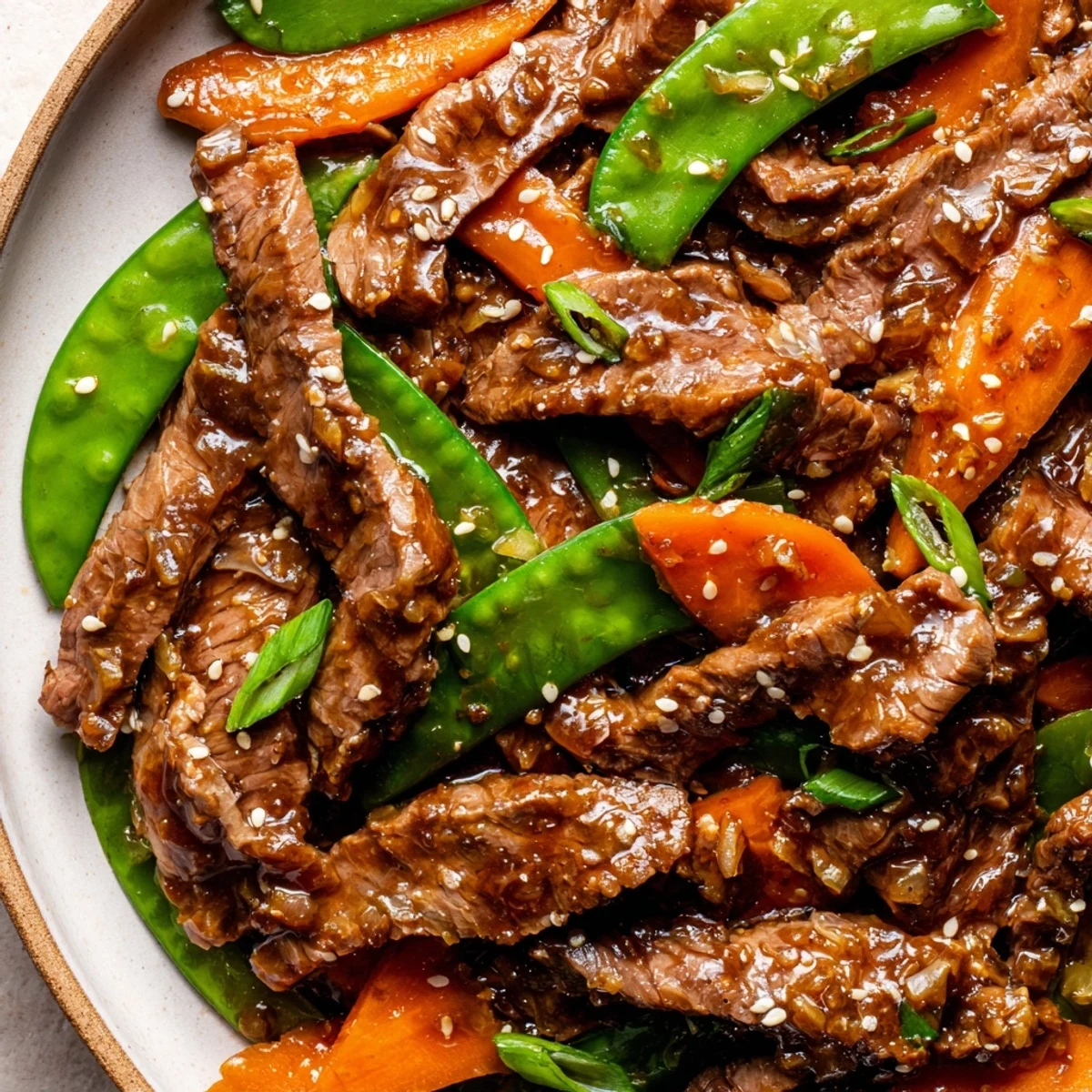
- Return the beef, pour in the sauce, and stir for 1–2 minutes while everything gets coated in that glossy, thickened glaze. The pan should smell incredible right now.
- Finish and serve:
- Kill the heat, scatter scallions and sesame seeds on top, and eat it while it's still steaming with rice or noodles on the side.
 Save
Save I remember my sister coming into the kitchen as I was plating this and just standing there breathing in the steam—she didn't say anything, but grabbed a bowl before I could even offer. That moment proved this isn't just efficient weeknight food; it's genuinely something people want to eat.
The Heat Makes the Difference
High heat is the whole point here, and it changes everything about how this tastes. When the pan is truly hot, the beef browns instead of releases water, the vegetables develop sweet spots and stay firm, and the sauce coats everything instead of pooling at the bottom. If you're cooking on an electric stove, preheat your pan longer than you think you need to—they hold heat but take forever to get there in the first place.
Customizing Without Losing the Plot
This recipe is flexible enough that you can swap proteins or vegetables without thinking, but the sauce is what makes it sing. I've done this with chicken thighs, with tofu pressed and cubed, even with shrimp once when I wasn't thinking—all of them work because you're building the same framework of salty-sweet-spicy-umami. Red bell peppers, broccoli, snap peas, bok choy—pick what looks good at the market and remember the cooking time adjusts based on how thick you cut things.
The Small Moments That Matter
The cornstarch in the beef marinade and in the sauce are doing heavy lifting—cornstarch thickens on contact with heat and helps the beef brown properly instead of stew. Sesame oil should only go in the sauce, not the cooking oil, because it burns at high heat and turns bitter; save it for the finish where its flavor stays bright. If you taste the sauce before everything goes back in the pan and it's too salty, add water a teaspoon at a time; if it's too thin after cooking, let it simmer another 30 seconds.
- Slice the beef against the grain or it'll be chewy no matter what you do.
- Cold beef straight from the fridge will shock a hot pan, so let it sit out for a few minutes first.
- Serve immediately—this gets soggy if it sits around, so have rice ready before you start cooking.
 Save
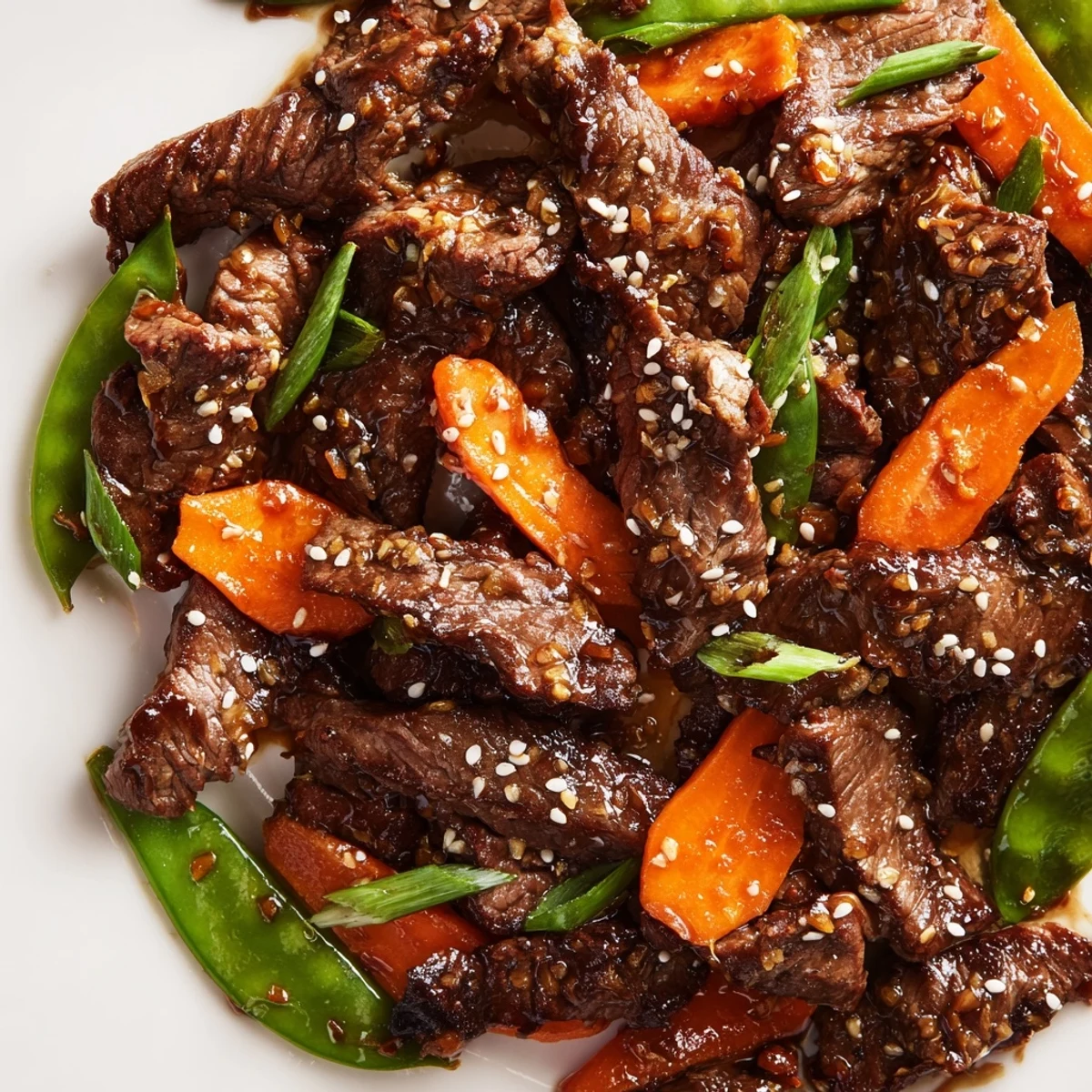
Save This is the kind of dish that made me trust stir frying as a real technique instead of something that happens in restaurants. You're building something honestly fast and honestly delicious.
Common Questions
- → How long should the beef marinate?
-
Marinate the beef for about 10 minutes to allow the cornstarch and soy sauce to tenderize and flavor the meat.
- → Can I substitute other proteins for beef?
-
Yes, chicken or tofu can be used instead of beef for variation while maintaining the dish's balance.
- → What cooking oil is best for stir-frying?
-
Vegetable oil is preferred for its high smoke point and neutral flavor, ensuring a quick and even cook.
- → How do I keep the vegetables crisp-tender?
-
Stir-fry the carrots first for a couple of minutes, then add snow peas and cook briefly to retain their crunch.
- → Is the sauce spicy, and can it be adjusted?
-
The sauce is savory with a hint of sweetness. For heat, add chili flakes or fresh sliced chili as desired.
- → What side dishes complement this dish well?
-
Steamed jasmine rice or stir-fried noodles are excellent accompaniments that absorb the flavorful sauce.