
 Save
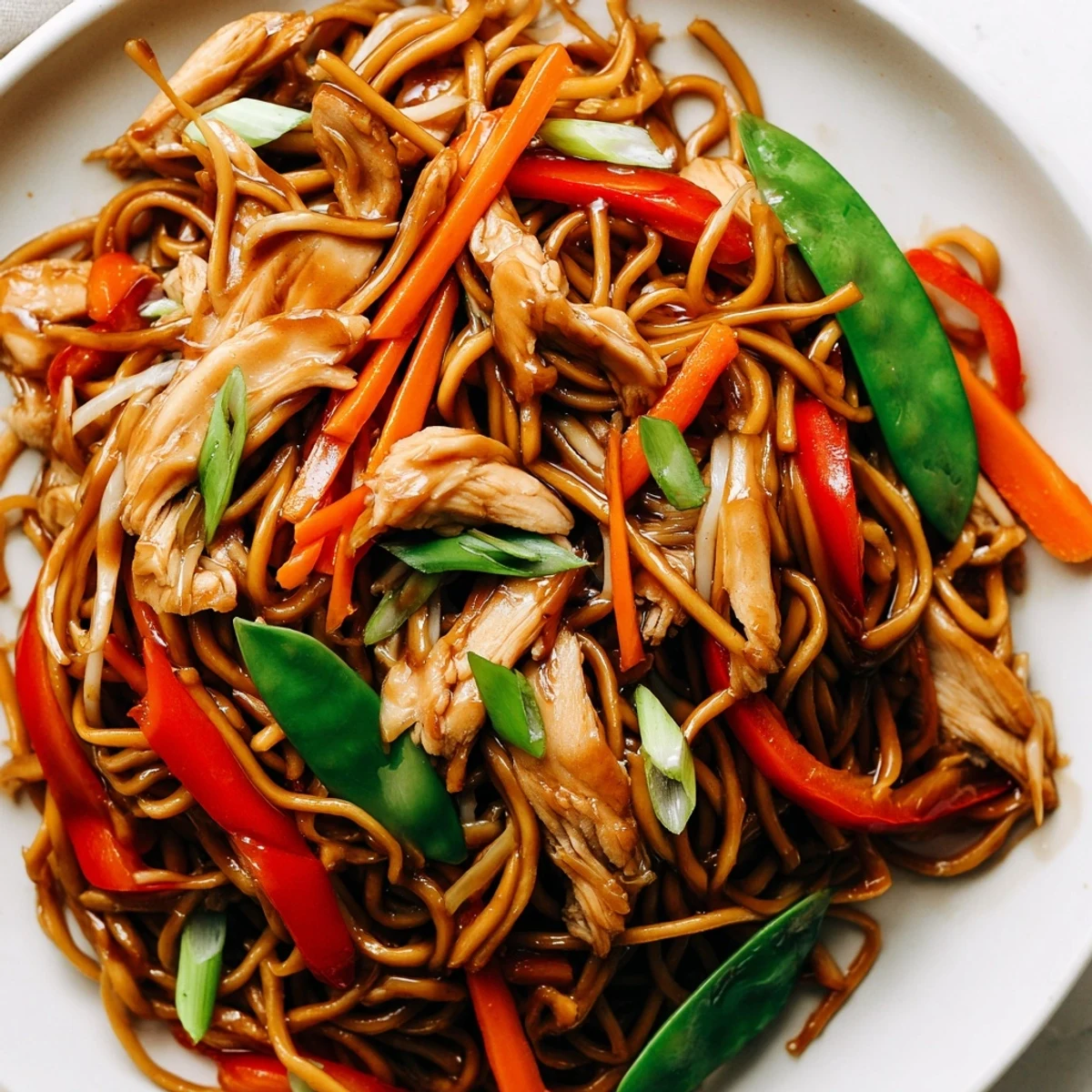
Save This beloved Chinese-style dish brings together silky egg noodles, succulent chicken strips, and vibrant crisp vegetables in a harmonious savory sauce. The high-heat stir-fry technique creates those signature smoky flavors while maintaining crunch in every bite. Ready in just over half an hour, this versatile main dish easily adapts to your favorite vegetables and proteins while staying completely dairy-free for sensitive eaters.
The wok was hissing and my tiny apartment kitchen smelled like sesame oil and garlic. My roommate poked her head in, drawn by the sound of vegetables hitting hot metal, and asked what kind of magic I was making. That first attempt at chow mein was messy and improvised, but the way she went back for thirds told me I'd stumbled onto something special. Now it's the dish I turn to when I need dinner that feels like a hug.
Last winter my friend Mei came over during a particularly bleak week and watched me cook this, offering little tweaks she'd learned from her grandmother. She showed me how to julienne carrots properly and insisted the snow peas stay bright green, not sad and gray. We stood over the steaming wok with chopsticks, tasting and adjusting until the balance was just right. That night turned into a weekly tradition, and somehow the food always tasted better when we made it together.
Ingredients
- 400 g boneless skinless chicken breast, thinly sliced: Cutting against the grain into bite sized pieces keeps the meat tender and ensures every bite has chicken
- 1 tbsp soy sauce, 1 tsp cornstarch, 1 tsp sesame oil: This quick marinade transforms plain chicken into something silky and flavorful
- 3 tbsp soy sauce, 1 tbsp oyster sauce, 1 tbsp hoisin sauce, 1 tsp sugar, 1/2 tsp white pepper, 2 tbsp water: Whisk these together before you start cooking, because once that wok is hot, you will not have time to measure
- 250 g chow mein or egg noodles: Cook them until just shy of done since they will hit the heat again later
- 2 tbsp vegetable oil divided: High smoke point oil is non negotiable for stir frying at the right temperature
- 2 garlic cloves minced, 1 medium onion thinly sliced: The foundation that builds all that aromatic depth
- 1 large carrot julienned, 1 red bell pepper thinly sliced, 100 g bean sprouts, 4 spring onions sliced, 100 g snow peas trimmed: This colorful mix brings crunch and freshness that balances the rich sauce
Instructions
- Get everything ready first:
- Toss the sliced chicken with soy sauce, cornstarch, and sesame oil, then let it sit while you prep all your vegetables and whisk together the sauce
- Cook your noodles:
- Boil them according to the package, drain and rinse under cold water to stop the cooking, then toss with a teaspoon of oil so they do not turn into a sad clump
- Sear the chicken:
- Heat half the oil in a wok over high heat until it is shimmering, add the chicken in a single layer, and let it develop a golden crust before stirring, about 3 to 4 minutes
- Build the vegetable base:
- Add the remaining oil along with garlic and onion, stir fry for a minute until fragrant, then toss in the carrot, bell pepper, and snow peas for 2 to 3 minutes
- Bring it all together:
- Return the chicken to the wok, add the noodles, bean sprouts, and spring onions, pour in that sauce you made earlier, and toss everything over high heat for 2 to 3 minutes until the sauce coats every strand and the steam is rising
 Save
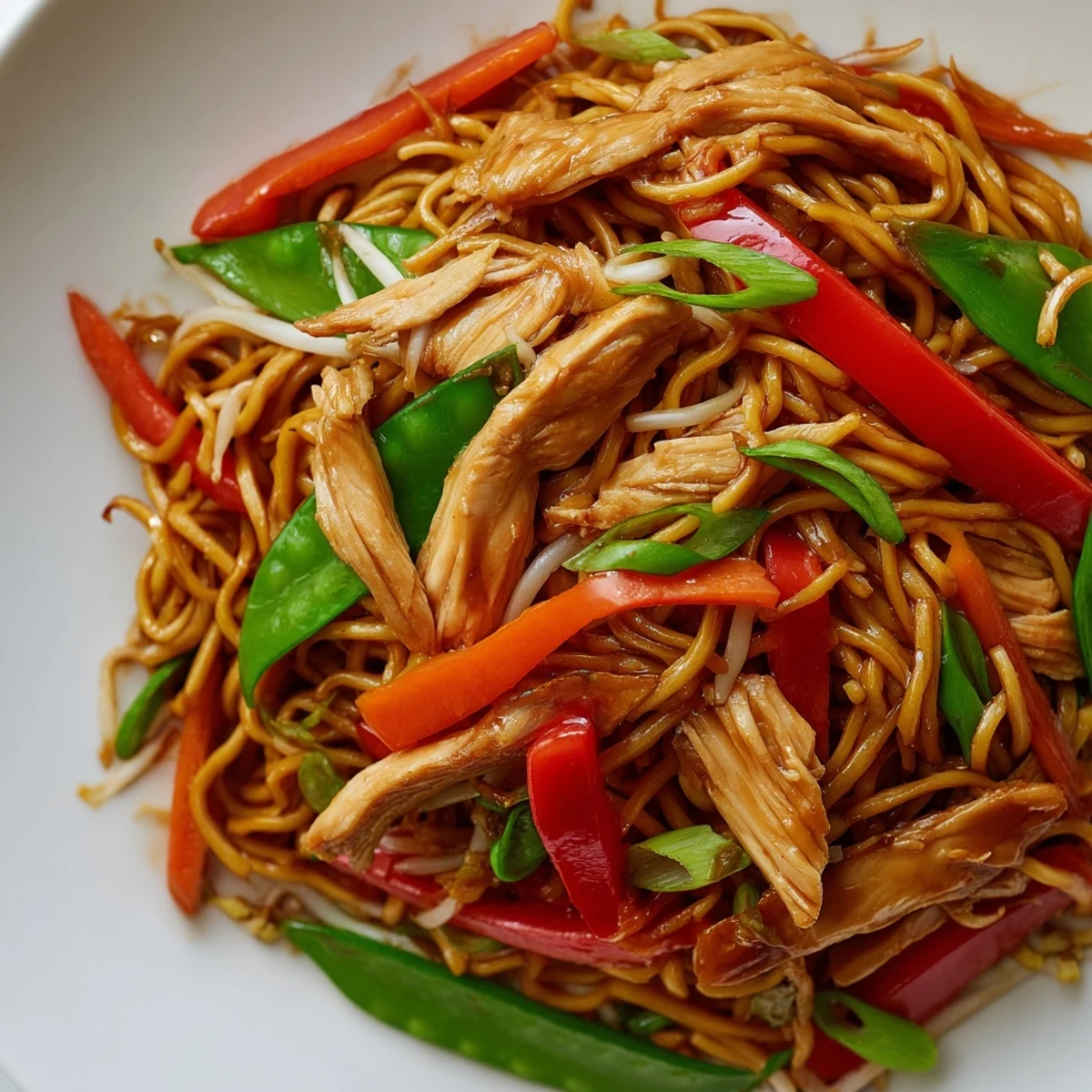
Save My partner usually claims he is not hungry, but the moment those noodles hit the table, he is suddenly hovering with a fork. There is something about the combination of textures and that glossy sauce that makes people abandon all pretense of waiting for dinner to be served. We have stopped fighting over the last portion and just make extra now.
The Art of High Heat Cooking
Learning to trust my wok took time, but the difference between a sad stir fry and a great one comes down to confidence and temperature. Keep everything moving once it hits the pan, and do not be afraid of a little smoke, that is where the flavor lives.
Noodle Secrets
Undercooking the noodles slightly during the boiling phase is the trick that keeps them from turning mushy when they hit the sauce. That brief cold water rinse stops the cooking process and washes away excess starch, keeping each strand distinct.
Make It Your Own
The beauty of chow mein lies in its adaptibility while staying recognizably itself. Once you have the basic technique down, the variations become second nature.
- Swap the chicken for shrimp, beef, or tofu for a completely different protein experience
- Add a handful of baby corn or bamboo shoots for extra crunch and texture contrast
- Stir in a splash of rice wine or pinch of red pepper flakes if you want more depth or heat
 Save
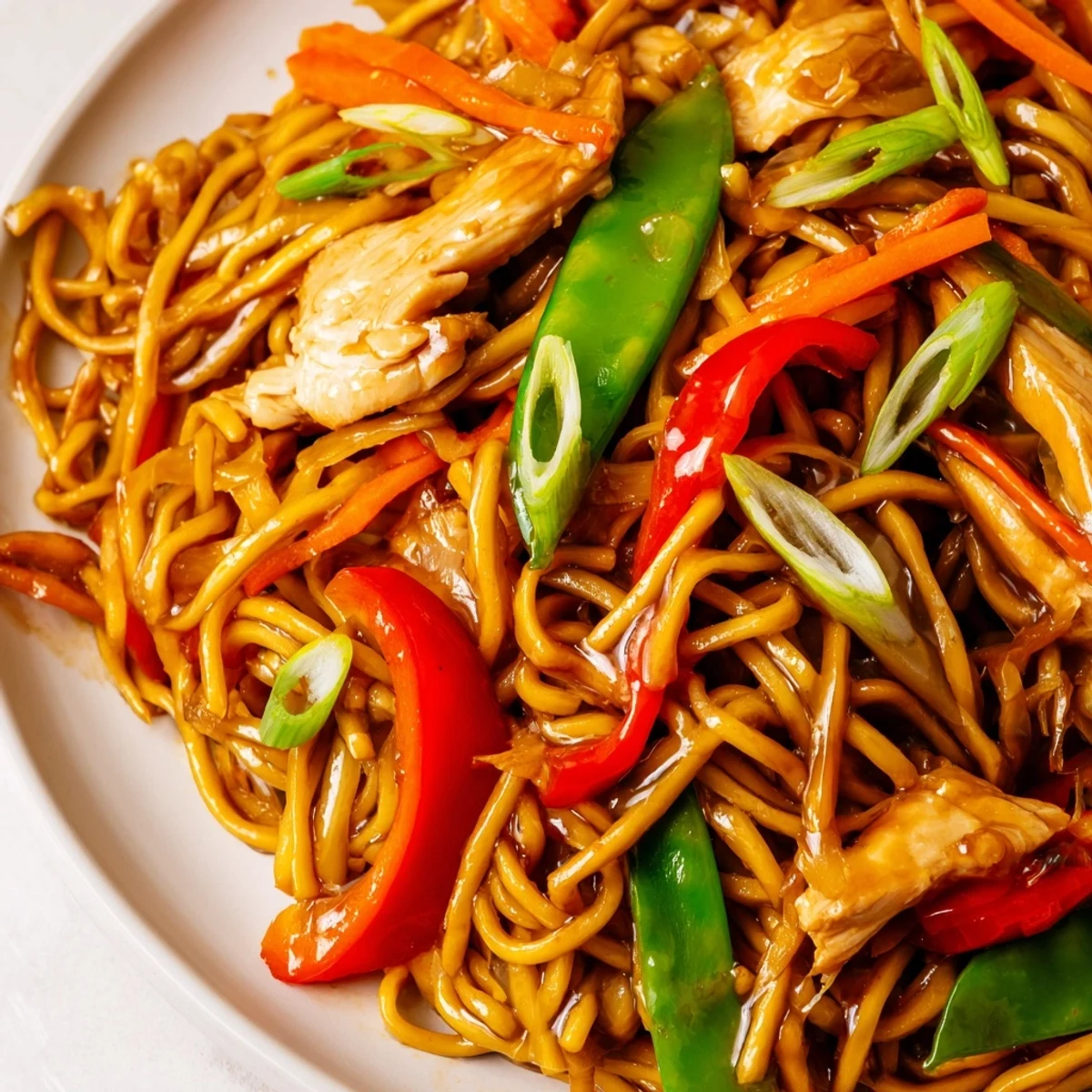
Save Some nights only a steaming bowl of noodles will do, and this recipe delivers every single time. Gather your people, grab your chopsticks, and enjoy.
Common Questions
- → What is the best way to prevent noodles from sticking together?
-
Rinse cooked noodles under cold water immediately after draining, then toss with a teaspoon of oil. This removes excess starch and creates a protective coating that keeps strands separate during stir-frying.
- → Can I use other noodles besides chow mein noodles?
-
Yes, egg noodles, lo mein noodles, or even spaghetti work well. Just adjust cooking time according to package instructions and ensure they're al dente before stir-frying.
- → Why should chicken be marinated before cooking?
-
The brief marinade with soy sauce, cornstarch, and sesame oil tenderizes the meat while infusing flavor. Cornstarch creates a protective layer that keeps chicken moist and juicy during high-heat cooking.
- → What vegetables work best in this dish?
-
Classic choices include bean sprouts, bell peppers, carrots, snow peas, and onions. Feel free to add bok choy, mushrooms, bamboo shoots, or baby corn based on preference and seasonal availability.
- → How do I achieve restaurant-style smoky flavor?
-
Cook over high heat in a well-seasoned wok or heavy skillet. The hot surface quickly sears ingredients, creating that distinctive charred aroma and depth of flavor found in Chinese restaurants.
- → Is this dish suitable for meal prep?
-
Absolutely! Cook everything completely, cool to room temperature, and store in airtight containers for up to 4 days. Reheat in a wok or skillet over medium-high heat for best texture.