
 Save
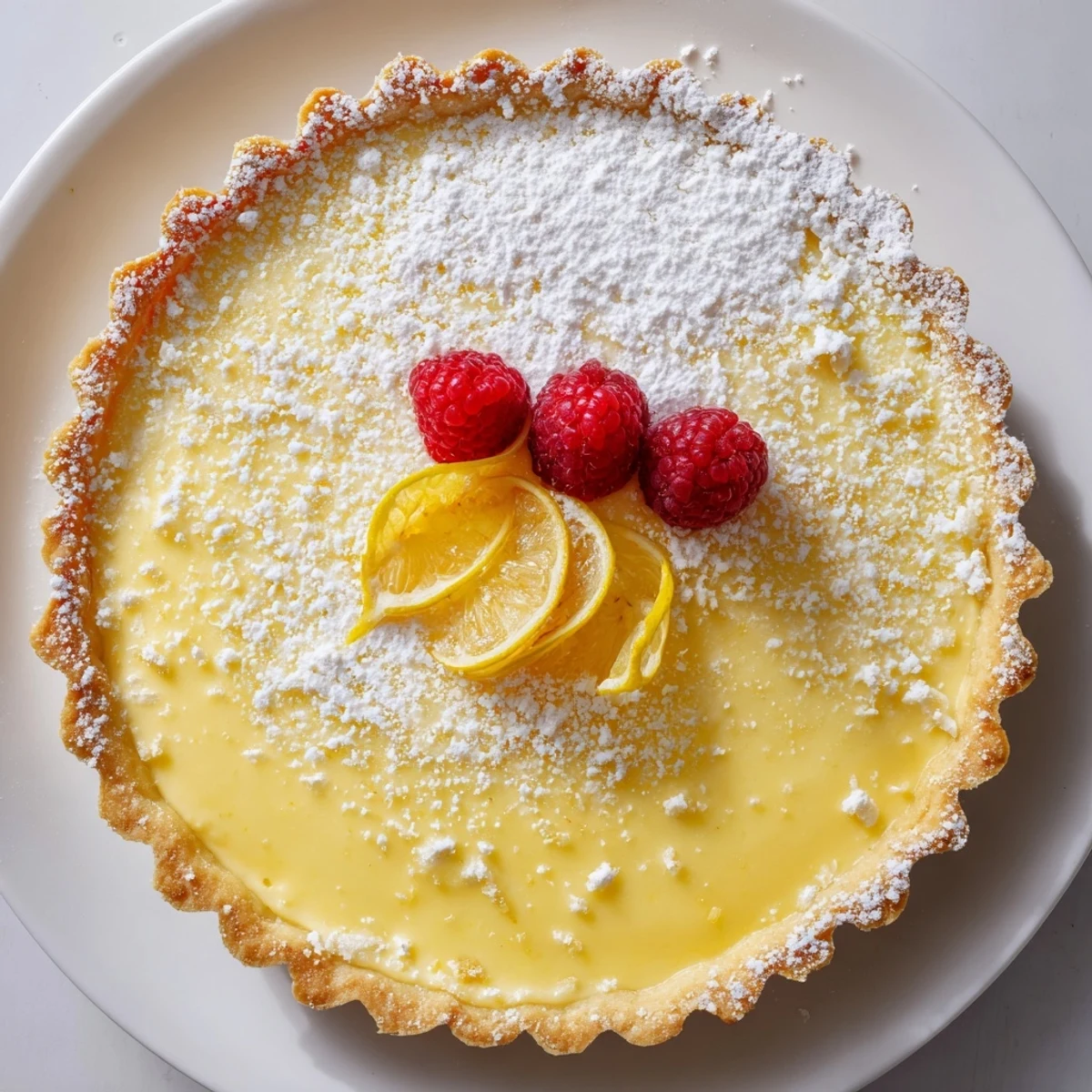
Save Silky lemon custard is whisked from cream, whole eggs, yolks, sugar, lemon juice and zest, then poured into a blind-baked, crisp butter crust. Bake at a moderate temperature until the edges are set and the center still slightly jiggles; cooling and at least one hour of refrigeration will produce a smooth, creamy texture. Freeze the crust briefly before blind baking and use pie weights for a uniformly golden shell. Dust with powdered sugar or top with berries to serve.
The first time lemon zest hit the air in my kitchen, I laughed at how instantly the mood brightened—a punchy, sunny aroma that made even my dish towel seem to smile. This creamy lemon tart is a repeat guest at my table, known for that tangy-sweet surprise with every silky bite. Sometimes, while rolling out the buttery dough, I hum softly just from anticipation. If you're ever in need of a pick-me-up dessert, I can't think of many more reliable than this one.
One spring weekend, I baked this tart for a crew of friends after a long hike—grateful hands reached across the table and someone grinned with powdered sugar dusting their nose. I remember the light through the window was especially golden that day, the tart cooling on the sill while we debated who made the best lemon dessert. These little kitchen moments become part of the recipe itself.
Ingredients
- All-purpose flour: This forms the structure of your crust—make sure it's measured with a gentle hand for the flakiest results.
- Powdered sugar: Adds delicate sweetness and helps the crust stay tender rather than tough.
- Salt: Even a pinch brings out flavors in both crust and filling.
- Unsalted butter: Use it cold and cubed; those buttery pockets steam into the crust for extra crunch.
- Egg yolk: Richens and binds the dough, making it easier to work with.
- Cold water: Add just enough so the dough comes together—too much and things get sticky.
- Heavy cream: Gives the lemon filling its dreamy, silky texture you can't get from milk alone.
- Granulated sugar: Counters the tartness of the lemons and lets the flavor bloom in the oven.
- Eggs & egg yolks: Create a custard that sets gently—strain if you want an ultra-smooth finish.
- Lemon zest and juice: Fresh is non-negotiable here for that zippy, pure flavor that bottled juice just can't provide.
- Powdered sugar, berries, or candied lemon slices: For a pretty finish and a touch of extra sweetness on top.
Instructions
- Preheat and Prepare:
- Get your oven warming to 350°F—ready your tools and take a moment to admire your tidy workspace.
- Blend the Crust:
- Add flour, powdered sugar, and salt to your food processor; pulse in cold cubed butter until the mix looks like coarse sand and the room briefly smells like a fresh bakery.
- Bind and Chill:
- Toss in the egg yolk and cold water; pulse until just clumpy, then press the dough together, wrap it, and let it rest in the fridge for half an hour—it rewards your patience with easier rolling later.
- Roll Out and Pan:
- Carefully roll the dough to about 1/8-inch thick on a floured surface, then fit it into your tart pan, let the edges overhang slightly, and prick the base with a fork before a quick freeze to firm it up.
- Blind Bake:
- Line the crust with parchment and fill it with weights or beans; bake for 15 minutes, then ditch the weights and bake until just golden—cool before moving on so your filling stays put.
- Mix Up the Filling:
- Whisk together cream, sugar, eggs, yolks, zest, juice, and salt in a big bowl until fully blended—the aroma honestly might make your mouth water right there at the counter.
- Bake the Tart:
- Pour the luscious mixture into your mostly cooled crust, then bake at a gentle 300°F until the edges are set and the center just wobbles if you gently nudge the pan.
- Chill and Finish:
- Let your tart cool, then pop it in the fridge for at least an hour so it slices cleanly—dust with powdered sugar and add berries or candied lemons just before serving.
 Save
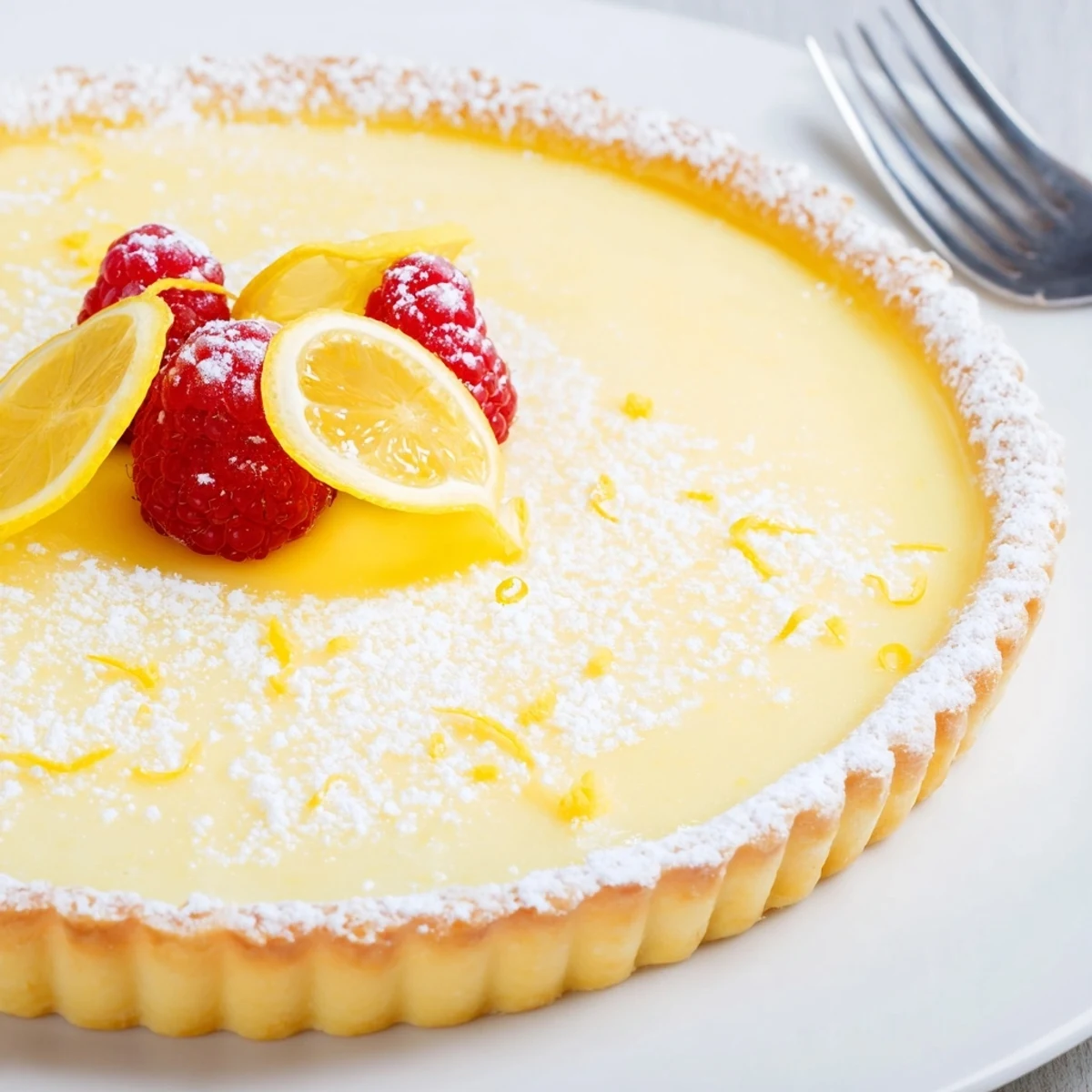
Save The real moment this tart became special for me was when my curious neighbor, drawn by the sharp scent of lemons, popped in for a slice. We sat on the stoop with our plates—sometimes, sharing dessert is more memorable than any fancy dinner.
Making It Your Own
I’ve experimented by swapping some of the lemon zest for orange, or blending in a touch of vanilla, and each variation brings its own charm. If you’re feeling whimsical, a sprinkle of toasted coconut lets the tart nod at summer getaways.
Serving Suggestions to Savor
This tart happily partners with a pile of fresh berries, but a dollop of lightly sweetened cream brings luxury to every forkful. I once poured a splash of sparkling wine for everyone, and it matched the tart’s brightness perfectly.
Troubleshooting for Tart Success
No one gets it perfect on the first try—I’ve learned a few tricks to save a weepy filling or over-baked edge. Keep an eye out for tiny bubbles before the tart is set, as they signal it’s almost ready. Don’t worry about a crack or two; a little powdered sugar hides all.
- If the crust shrinks, press the dough up a bit higher than the pan edge.
- Let the tart cool completely before slicing for neat wedges.
- Check the center gently—it should jiggle, not slosh.
 Save
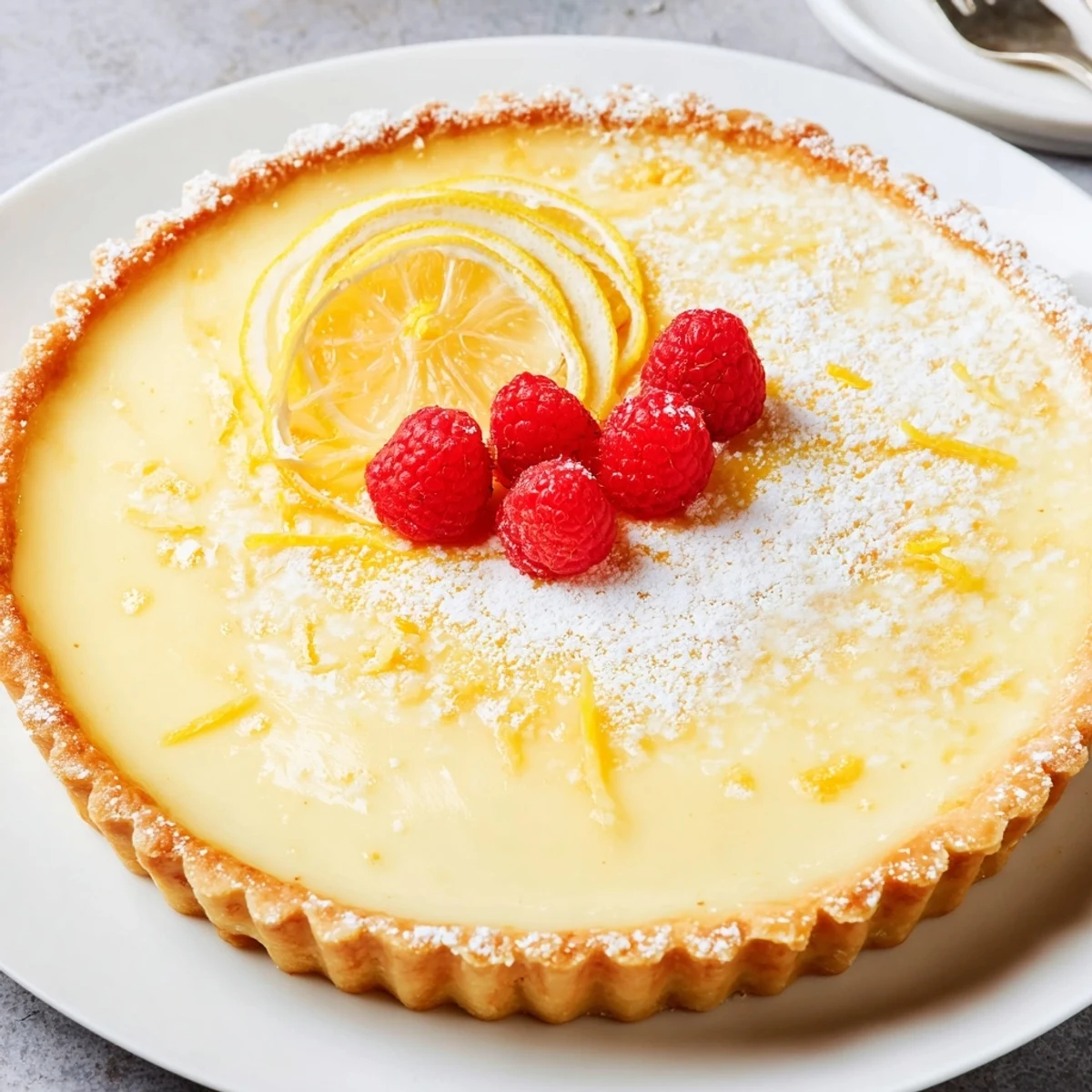
Save Every time I make this tart, I’m reminded that simple ingredients can create something bright and celebratory. Here’s to sharing wedges with your favorite people, no special occasion needed.
Common Questions
- → How do I prevent a soggy crust?
-
Chill the dough before rolling, freeze the lined pan briefly, and blind-bake with parchment and weights until edges are golden. Removing the weights partway through helps dry the base so the filling won’t make it soggy.
- → How can I tell when the lemon filling is done?
-
The edges should look set and the center should still have a gentle jiggle; it will continue to firm as it cools and chills. Avoid overbaking to keep the filling silky.
- → Can this be made ahead of time?
-
Yes. After baking and chilling, cover and refrigerate for up to 48 hours. Add powdered sugar or fresh berries just before serving to keep the presentation fresh.
- → What are good substitutions for dairy or eggs?
-
For a dairy-free version, try full-fat coconut cream and reduce oven time slightly. For an eggless set, consider a cooked lemon curd thickened with cornstarch or agar agar, though texture will differ from the classic custard.
- → How do I make a gluten-free crust?
-
Use a high-quality gluten-free flour blend and chill the dough well. Press or roll carefully; blind-bake with weights and monitor color as gluten-free doughs can brown faster.
- → Is it possible to freeze the tart?
-
Yes. Freeze the uncut tart tightly wrapped for up to one month. Thaw overnight in the refrigerator and add any delicate garnishes after thawing to preserve texture and appearance.