
 Save
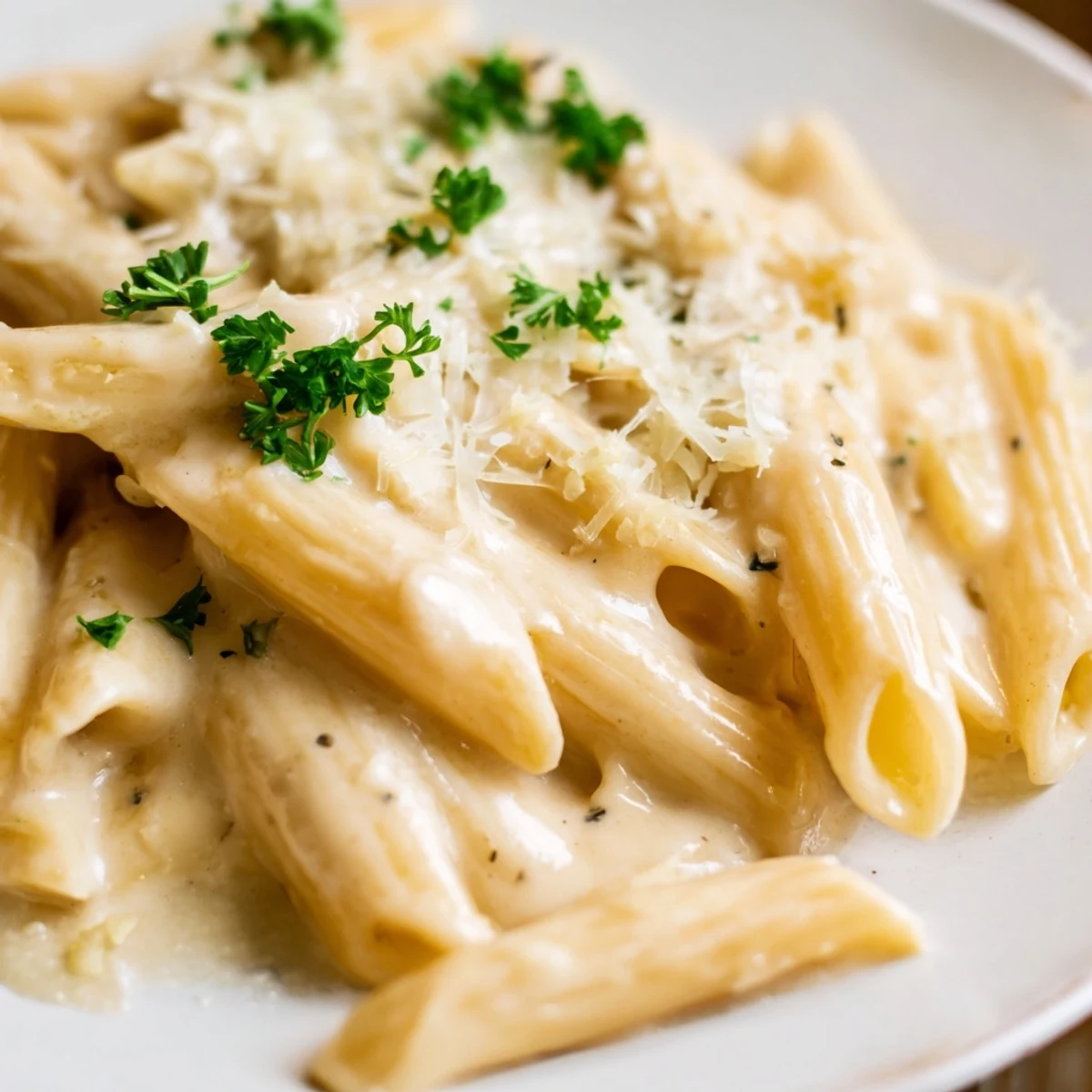
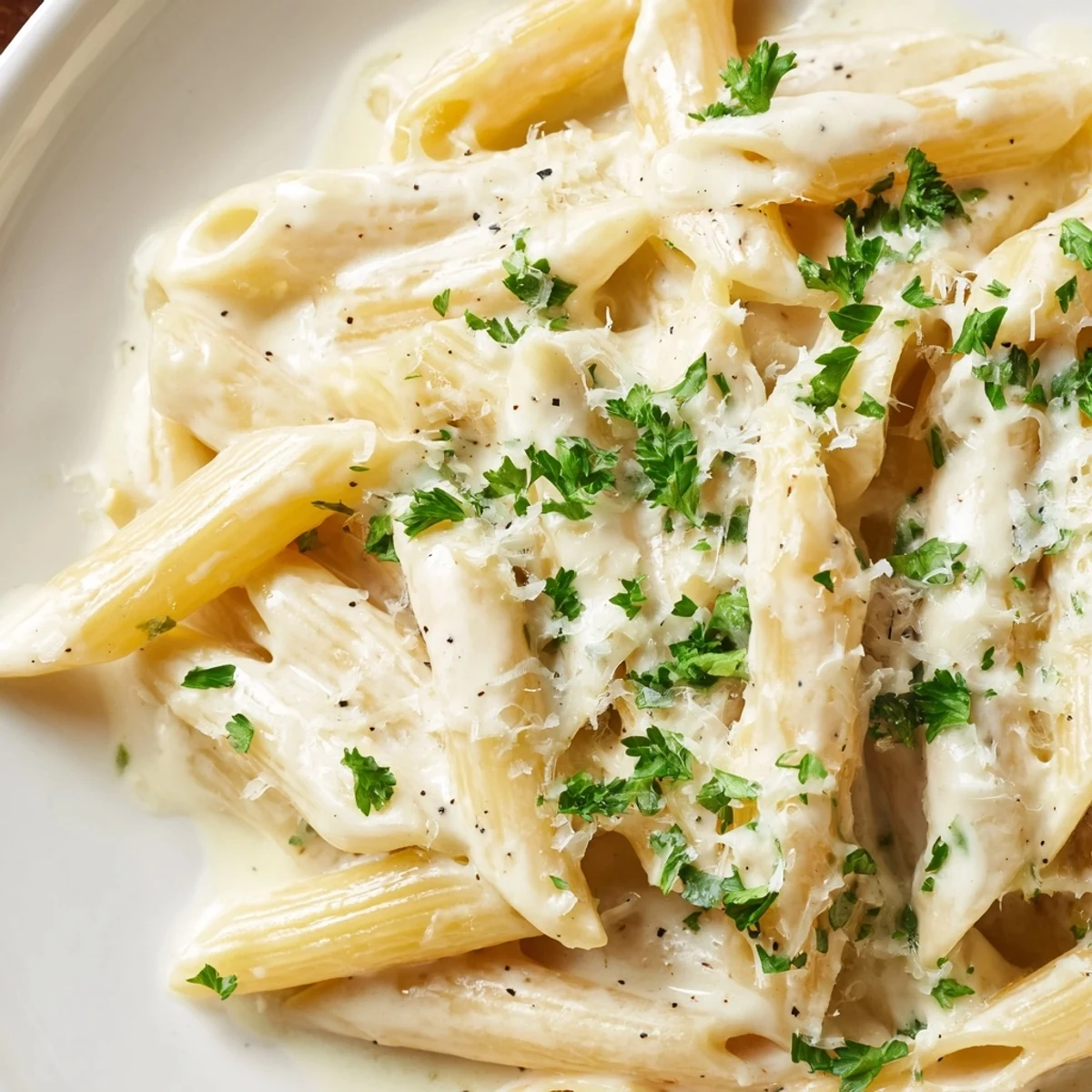
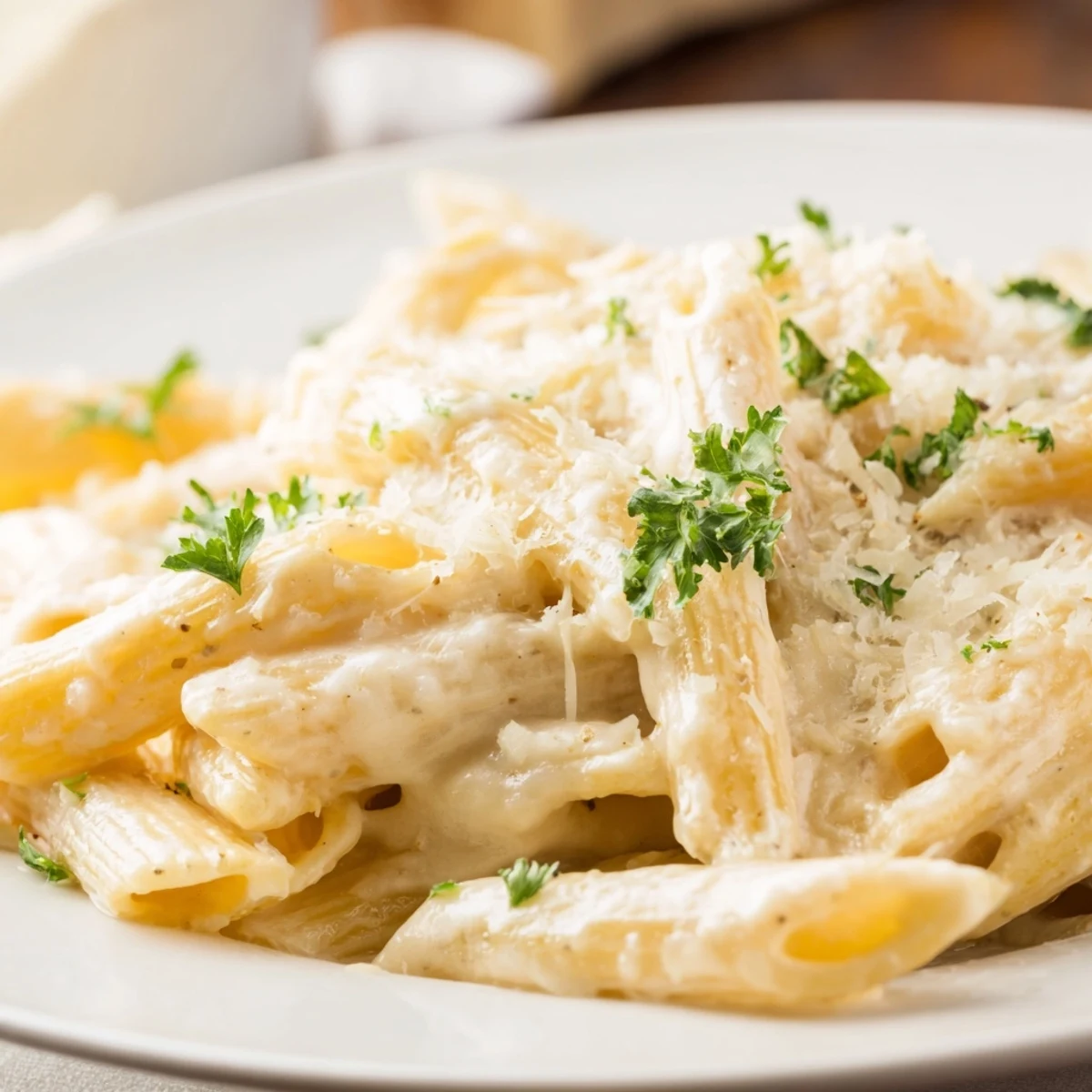
Save This creamy pasta combines tender penne or fettuccine with a velvety sauce made from butter, olive oil, garlic, heavy cream, milk, and Parmesan cheese. Simmered gently, the sauce is seasoned with black pepper and optional nutmeg, then tossed with perfectly cooked pasta and garnished with fresh parsley and extra cheese. Ideal for a quick, comforting Italian-style meal, it can be customized with proteins or lighter dairy options.
There's something about a bowl of creamy pasta that stops a chaotic Tuesday evening in its tracks. I discovered this version years ago when my grandmother casually mentioned that the secret to restaurant-quality Alfredo wasn't complexity, but respecting the cream and knowing when to stop stirring. What started as skepticism became my go-to comfort dish, the one I make when I need both ease and elegance on the same plate.
I made this for my roommate on the night she got the job she'd been chasing for months. We didn't have wine to celebrate, but we had butter, cream, and pasta, which somehow felt just as right. She still texts me about that dinner—not because it was fancy, but because it was exactly what we needed when we needed it.
Ingredients
- Penne or fettuccine (350g / 12 oz): Use whichever shape you reach for first; the sauce clings beautifully to both, though I've found penne catches just a bit more in each swirl.
- Unsalted butter (2 tbsp) and olive oil (2 tbsp): Together they prevent the butter from browning while keeping the sauce rich and silky.
- Garlic (3 cloves, minced): A minute in the pan is all it needs; any longer and you'll taste bitterness instead of that gentle, savory warmth.
- Heavy cream (250 ml / 1 cup) and whole milk (100 ml / 1/2 cup): The combination gives body without being overwhelming; the milk keeps it from feeling too heavy on the stomach.
- Grated Parmesan cheese (80g / 3/4 cup): Freshly grated makes all the difference—pre-grated cheese has anti-caking agents that make the sauce grainy instead of smooth.
- Black pepper (1/2 tsp, freshly ground): Ground right before cooking, it adds a gentle heat that rounds out the richness.
- Ground nutmeg (1/4 tsp, optional): Just a whisper transforms the whole dish into something that tastes more restaurant-worthy than home-cooked.
- Salt (1/2 tsp, plus more for pasta water): Taste as you go; you might need less if your Parmesan runs salty.
- Fresh parsley (2 tbsp, chopped) and extra Parmesan for serving: The parsley isn't just decoration; it cuts through the richness with a bright, grassy note.
Instructions
- Get your pasta going:
- Fill a large pot with water, salt it generously (it should taste like the sea), and bring it to a rolling boil. This is where pasta flavor begins. Add your pasta and set a timer for one minute less than the package suggests—you want it tender but still with a slight resistance when you bite it.
- Build your sauce base:
- While the pasta cooks, melt butter and olive oil together in a large skillet over medium heat. The moment the butter froths, add your minced garlic and let it perfume the oil for about a minute—you'll know it's ready when the kitchen smells like comfort.
- Create the creamy foundation:
- Pour in the heavy cream and milk, stirring gently to combine. Watch it come to a quiet simmer; you're not rushing this, just warming it through and letting the flavors meld.
- Bring in the Parmesan:
- Lower the heat and add your freshly grated cheese a handful at a time, stirring constantly until each addition disappears into the sauce. The heat should never be high enough to make the sauce bubble—gentle is how you keep it smooth and glossy instead of grainy.
- Marry pasta and sauce:
- Drain your pasta, reserving that starchy water like it's liquid gold. Toss the hot pasta into the skillet, coating every strand in sauce. If it feels too thick, add the reserved pasta water bit by bit until you reach that perfect consistency where the sauce clings without pooling.
- Finish and serve:
- Taste once more for salt and pepper, then plate immediately. Top with a scatter of fresh parsley and a generous shower of Parmesan while everything's still steaming.
 Save
Save What I've learned is that this dish becomes unforgettable not because of any single ingredient, but because of the moment you taste it—when the pasta is still warm, the sauce hasn't had time to break, and you remember why you fell in love with Italian food in the first place. That's when it stops being dinner and becomes a small, quiet joy.
Variations Worth Trying
The beauty of this base is how it welcomes additions without losing its soul. Seared shrimp or diced cooked chicken turns it into something more substantial; sautéed mushrooms give it an earthy depth. I've even stirred in crispy bacon and fresh spinach when I felt like pushing it toward something richer. Each change feels natural, never forced, which is the mark of a truly flexible recipe.
Wine and Pairing Notes
A crisp white wine like Pinot Grigio or Verdicchio cuts through the cream and brightens the palate between bites. If wine isn't in the picture, fresh lemon juice squeezed over the finished dish does something similar—just a whisper of acidity that makes you want another forkful. Even unsweetened iced tea works in a pinch, anything that keeps the richness from overwhelming.
Mastering the Cream
The most common mistake I see is cooking the sauce too hot or too long, which breaks the cream and leaves you with a separated, grainy mess. Medium heat is your friend here; you're coaxing flavors together, not forcing them. If something does split, a splash of cold milk and a moment off heat can often save it, but prevention is simpler than rescue.
- Taste the sauce before adding the pasta to make sure seasoning is right—pasta won't fix an underseasoned sauce.
- If you're nervous about texture, use half-and-half instead of the cream and milk combination for something naturally lighter.
- Remember that the pasta will keep absorbing sauce after plating, so err slightly wetter than you think is perfect when you finish cooking.
 Save
Save This is the kind of dish that reminds you why cooking at home matters—not for Instagram, not for impressing anyone, just for the simple pleasure of something warm and rich and made with your own hands. Make it often enough and it becomes yours, adapted to what you love, built around moments that matter to you.
Common Questions
- → What type of pasta works best for this dish?
-
Penne or fettuccine are ideal as they hold the creamy sauce well, but any medium-width pasta can be used.
- → Can I use a lighter dairy alternative?
-
Yes, half-and-half or a milk substitute can lighten the sauce while maintaining creaminess.
- → How do I prevent the sauce from separating?
-
Simmer gently over low heat and avoid boiling after adding the cheese to keep the sauce smooth.
- → Is it possible to add protein to this dish?
-
Absolutely, cooked chicken, shrimp, or sautéed mushrooms enhance texture and flavor.
- → What is the role of reserved pasta water?
-
Adding reserved pasta water helps adjust sauce consistency and improves sauce adhesion to pasta.