
 Save
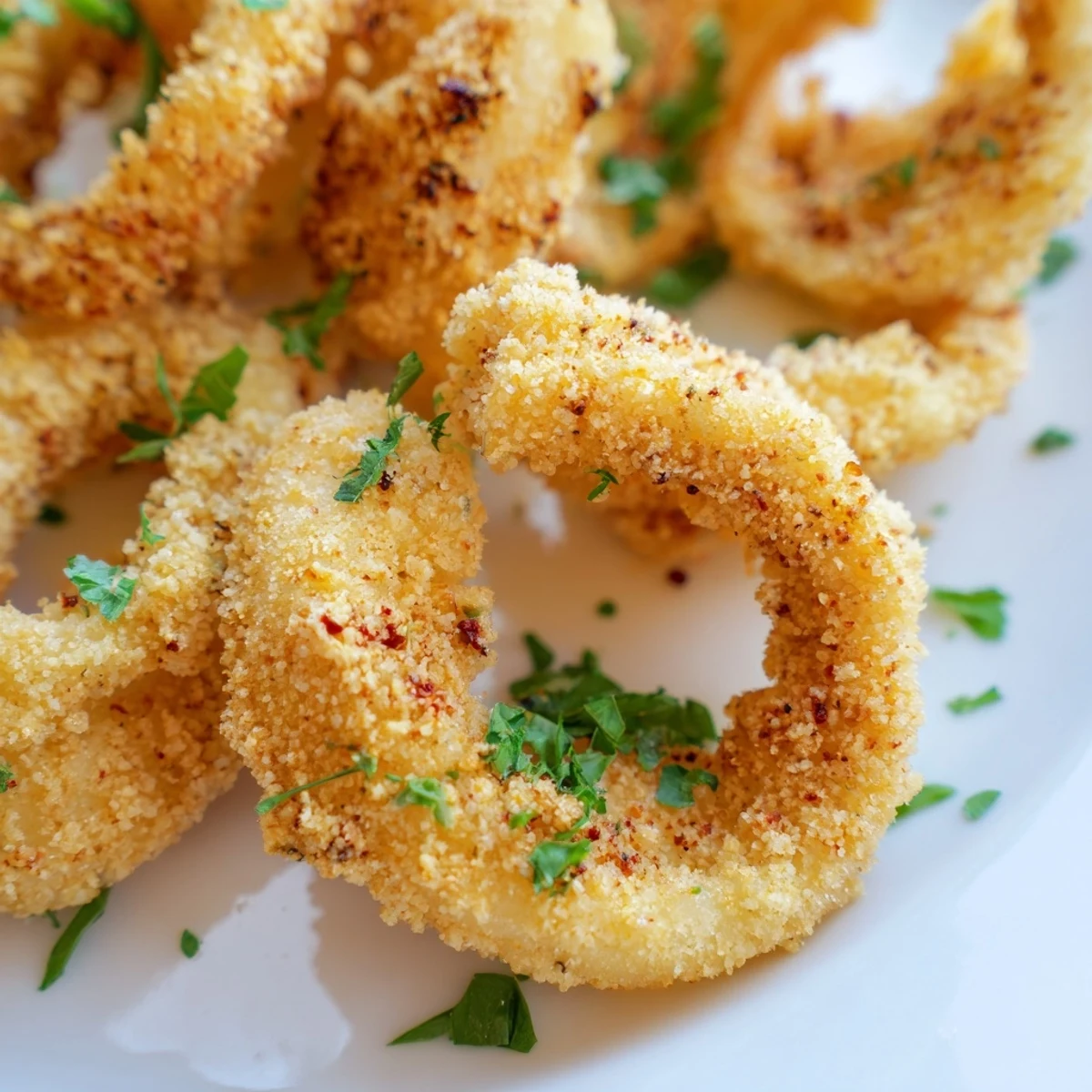
Save Enjoy tender calamari rings coated in a lightly seasoned flour and cornmeal mixture, then fried to golden perfection. Served with fresh lemon wedges, this dish offers a crisp texture and bright flavor balance. The preparation emphasizes quick drying of the calamari for optimal crunch and careful frying to avoid toughness. Garnished with parsley, it’s ideal for sharing as a light appetizer or snack, capturing Mediterranean-inspired simplicity and freshness.
The first time I fried calamari at home, I was terrified the rings would turn into rubber. My neighbor had just brought back a batch from a seaside restaurant, and I was convinced I couldn't replicate that golden, delicate crunch in my own kitchen. Turns out, the secret was simpler than I thought: dry your calamari, don't overthink the breading, and respect the oil temperature. Now it's one of those dishes I make without hesitation, every time impressing whoever's brave enough to try it.
I remember serving these to my sister's book club on a warm autumn evening, and halfway through the platter, someone asked if I'd bought them from a restaurant. That moment—realizing I'd nailed something I once thought impossible—made the whole experience worthwhile. The lemon wedges were squeezed generously, and the kitchen smelled like the coast for hours afterward.
Ingredients
- Fresh calamari, cleaned and sliced into 1 cm rings (500 g): The backbone of this dish; ask your fishmonger to clean it for you to save time and ensure proper quality.
- All-purpose flour (100 g): Use it as the base coating; it's forgiving and creates that light, delicate crust.
- Cornmeal or fine semolina (50 g, optional): This is where the extra crunch comes from; it's worth the addition if you want texture that holds up.
- Sea salt and freshly ground black pepper: Don't skip freshly grinding the pepper—it makes a noticeable difference in flavor.
- Paprika (optional): A pinch adds warmth and color without overwhelming the delicate calamari taste.
- Vegetable oil (500 ml): Choose a neutral oil with a high smoke point; this isn't the time for olive oil.
- Fresh lemon wedges: These are essential—the brightness cuts through the richness and makes each bite feel lighter.
Instructions
- Dry your calamari thoroughly:
- Pat each ring with paper towels until no moisture remains. Wet calamari will steam instead of fry, leaving you with a chewy disappointment instead of crispy rings.
- Build your breading station:
- Mix flour, cornmeal, salt, pepper, and paprika in a shallow bowl. This takes thirty seconds and sets you up for success.
- Coat the rings evenly:
- Toss the calamari in the flour mixture with your hands, making sure each ring is covered. Shake off any excess—clumps will burn and won't taste good.
- Get your oil to the right temperature:
- Heat it to 180°C (350°F); use a thermometer if you have one, or listen for a gentle sizzle when you drop in a tiny piece of bread. Too cool and it'll be soggy; too hot and the outside burns before the inside cooks.
- Fry in small batches:
- Never crowd the pan—this drops the oil temperature and traps steam, ruining your crispy exterior. Two minutes per batch is usually perfect.
- Drain and serve immediately:
- Lift each batch onto paper towels with a slotted spoon, then transfer to a warm platter. The moment they're cool enough to eat, squeeze that lemon all over them.
 Save
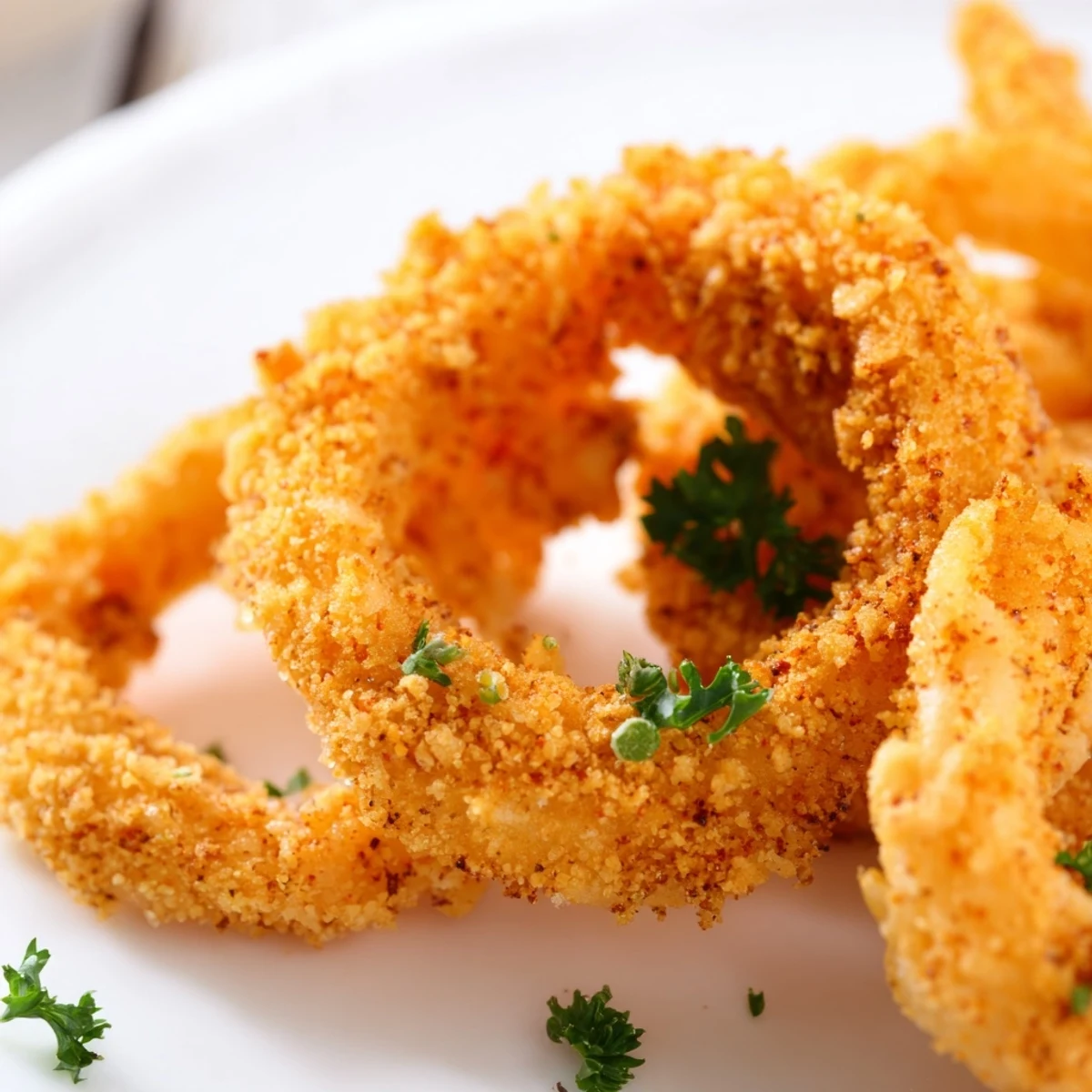
Save There was a moment when my partner took his first bite and made that satisfied sound that tells you everything worked. It reminded me why I cook—not to impress, but to create small moments of joy with the people around me. Calamari has a way of doing that.
The Temperature Game
Getting the oil temperature right is genuinely the difference between a triumph and a letdown. I learned this the hard way when I fried too fast, and the coating darkened while the calamari stayed slightly tough. Now I always bring the oil to temperature, wait a full minute, then test with one ring before committing the rest. It sounds fussy, but it's the one thing that separates home cooks from people making restaurant-quality calamari.
Serving Suggestions
Beyond lemon, these rings are flexible. I've served them with a garlicky aioli that was incredible, and once with a small bowl of marinara that felt more Italian than Greek. The key is having something cold and bright alongside them—the calamari is rich from the oil, so you need that contrast. Lemon is classic for a reason, but don't be afraid to experiment.
Storage and Make-Ahead Tips
These are best served immediately, straight from the oil, but I'll be honest about what works in reality. You can prep everything ahead and fry them just before guests arrive, or keep finished rings warm in a low oven for a few minutes. Once they sit around, they lose their crunch, but they're still delicious the next day if you need to snack on leftovers.
- Do the breading step hours in advance if it helps your timing—just store the coated rings on a parchment-lined tray.
- If you're cooking for a crowd, fry in batches and keep finished rings on a warm plate in a 100°C oven while you finish the rest.
- Always serve with fresh lemon, never pre-squeezed; the juice makes the difference.
 Save
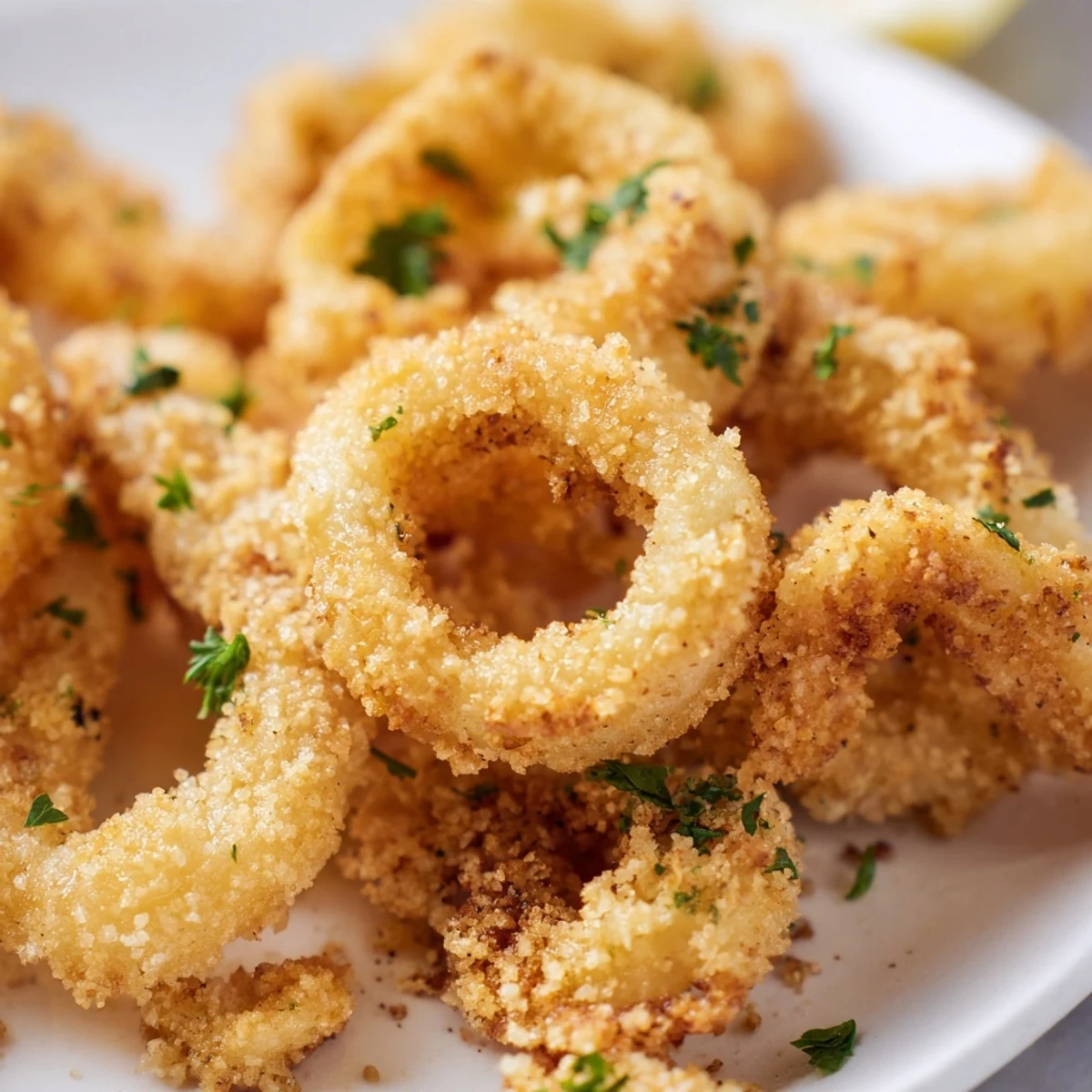
Save Making crispy calamari at home feels like unlocking something special. Once you've done it once and tasted the difference between fresh and restaurant versions, you'll find yourself making it again and again.