
 Save
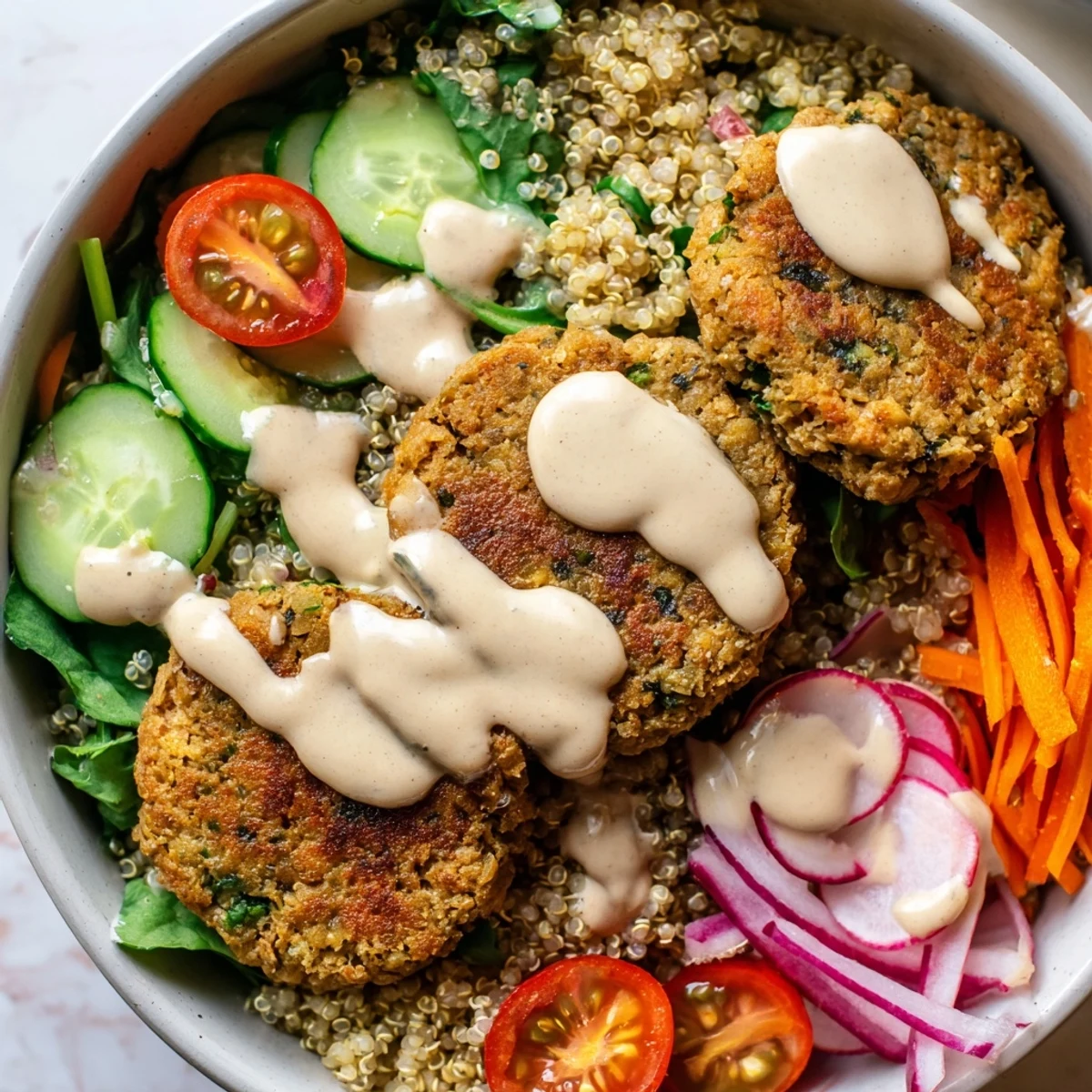
Save This falafel grain bowl brings together golden, pan-fried chickpea patties with fluffy quinoa or brown rice and a rainbow of fresh vegetables.
Seasoned with cumin and coriander, each falafel is crisp on the outside and tender inside. Topped with a creamy tahini-lemon dressing, every bite balances rich, tangy, and fresh flavors.
Ready in under an hour, it makes a satisfying main dish perfect for meal prep or a nourishing weeknight dinner.
The afternoon sun hit my tiny kitchen counter just right as I formed those first falafel patties, chickpea mash stuck to my fingers like confetti after a party. My roommate wandered in, drawn by the cumin and garlic already filling our apartment, and asked if we were having takeout from that Middle Eastern place downtown. Nope, I said, wiping my hands on a towel, this is better and cheaper.
I started making these grain bowls back when I was trying to eat more plants but refused to sacrifice satisfaction. The first batch turned out too dense because I overprocessed the chickpeas into hummus, but my friends still demolished them and asked for the recipe. Now I pulse just enough to keep texture, and that crunch against the fluffy quinoa feels like something you would order at a restaurant.
Ingredients
- 1 1/2 cups cooked chickpeas: Canned works perfectly, just rinse them well and pat dry so the mixture does not turn soggy
- 1/2 small onion: Roughly chopped is fine since the food processor handles the work
- 2 cloves garlic: Fresh garlic makes all the difference in that authentic falafel flavor
- 1/4 cup fresh parsley: Flat-leaf parsley gives the best bright green flecks throughout
- 1/4 cup fresh cilantro: If you hate cilantro, just double the parsley instead
- 1 tsp ground cumin: This is the backbone spice that makes it taste like proper falafel
- 1/2 tsp ground coriander: Works with the cumin to create that warm, earthy Middle Eastern profile
- 1/2 tsp baking powder: The secret to lighter falafel that does not feel like lead in your stomach
- 1/4 cup all-purpose flour: Chickpea flour works too and keeps it gluten-free if that matters to you
- 1/2 tsp salt: Enhances all the spices and brings the flavors forward
- 1/4 tsp black pepper: Freshly cracked adds a little heat that balances the tahini later
- 3 tbsp olive oil: Just enough to get that golden crust without feeling heavy
- 1 cup quinoa or brown rice: Quinoa cooks faster, but brown rice gives a nuttier chew
- 2 cups water or vegetable broth: Broth adds subtle flavor, but plain water is totally fine
- 1/4 tsp salt: For the grain cooking liquid, seasons from the inside out
- 1 cup cherry tomatoes: Halved tomatoes burst when you bite into them
- 1 cucumber: English or Persian cucumbers stay crunchy longer
- 2 cups mixed greens: Arugula adds pepper, spinach keeps it mild, use whatever you prefer
- 1 medium carrot: Shredded carrot brings sweetness and color
- 1/4 red onion: Thinly sliced, it adds bite without overwhelming everything else
- 1/4 cup pickled turnips: Totally optional but that tang cuts right through the rich tahini
- 3 tbsp tahini: The creamy, nutty base that pulls the whole bowl together
- 2 tbsp lemon juice: Fresh squeezed brightens the thick tahini perfectly
- 1 tbsp extra virgin olive oil: Makes the dressing velvety and luxurious
- 1 tbsp water: Start here, add more if the dressing is too thick
- 1 clove garlic: Minced fine so it does not leave harsh chunks in the sauce
Instructions
- Cook the grains first:
- Rinse your quinoa or rice under cold water until the water runs clear, then combine it with water or broth and salt in a saucepan. Bring everything to a rolling boil, then drop the heat to low, cover tightly, and let simmer until tender and fluffy, about 15 minutes for quinoa or 35 minutes for brown rice. Fluff gently with a fork and set it aside to cool slightly while you make everything else.
- Make the falafel mixture:
- Toss the chickpeas, onion, garlic, parsley, cilantro, cumin, coriander, baking powder, flour, salt, and pepper into your food processor. Pulse in short bursts until the mixture looks coarse and crumbly, holding together when pressed but still having texture. Scoop out about 2 tablespoons at a time and form them into small balls or patties, placing them on a plate as you work.
- Pan-fry the falafel:
- Pour the olive oil into a large skillet and warm it over medium heat until it shimmers slightly. Add the falafel balls in batches, giving them space to cook, and let them fry for about 3 or 4 minutes on each side until they are deeply golden and crisp. Transfer them to a paper towel-lined plate to drain while you finish the rest.
- Whisk together the dressing:
- In a small bowl, combine the tahini, lemon juice, olive oil, water, minced garlic, salt, and pepper. Whisk vigorously until the mixture turns creamy and smooth, adding another teaspoon of water if it is too thick to drizzle. Taste and adjust the seasoning, remembering that tahini can absorb a lot of salt before it tastes right.
- Assemble your bowls:
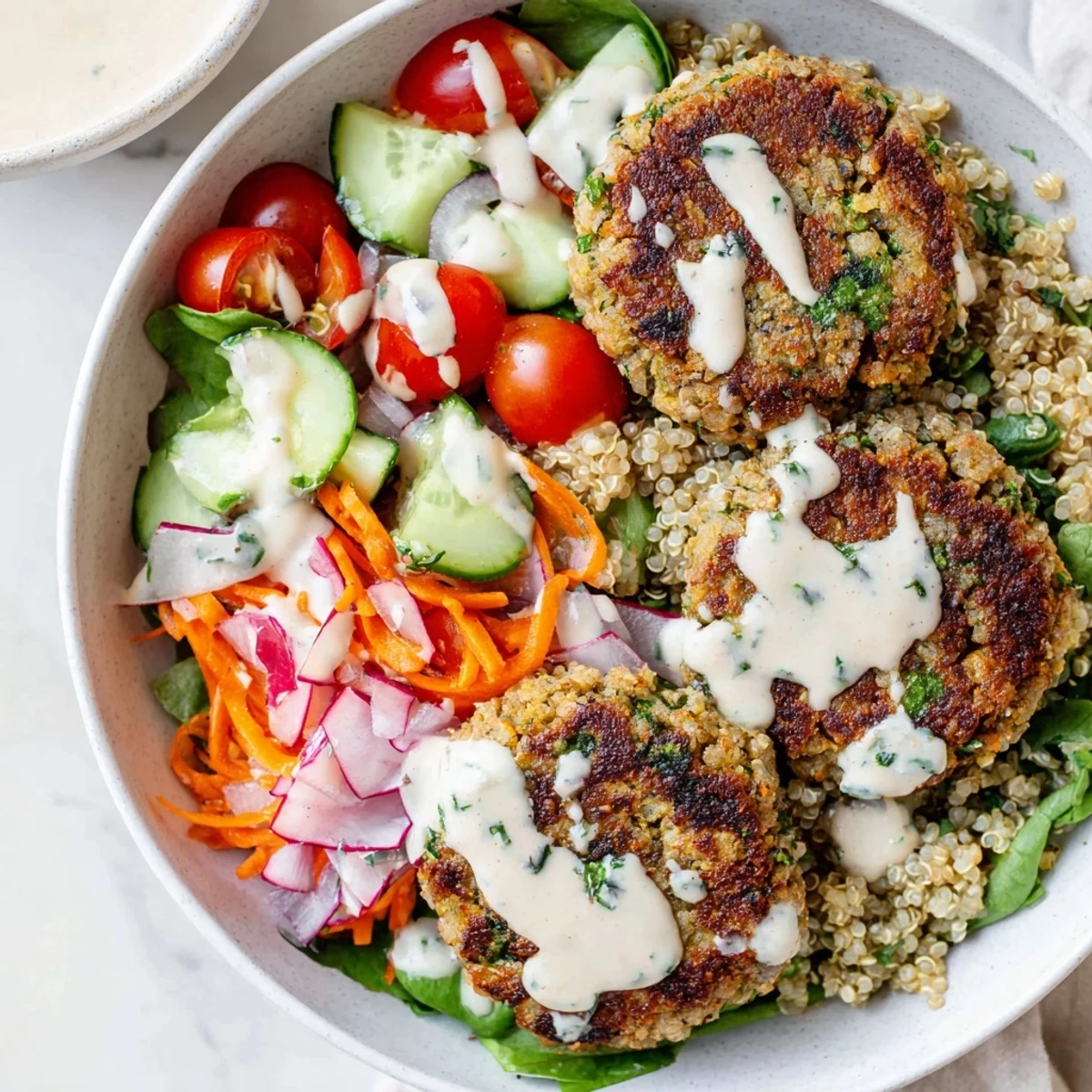
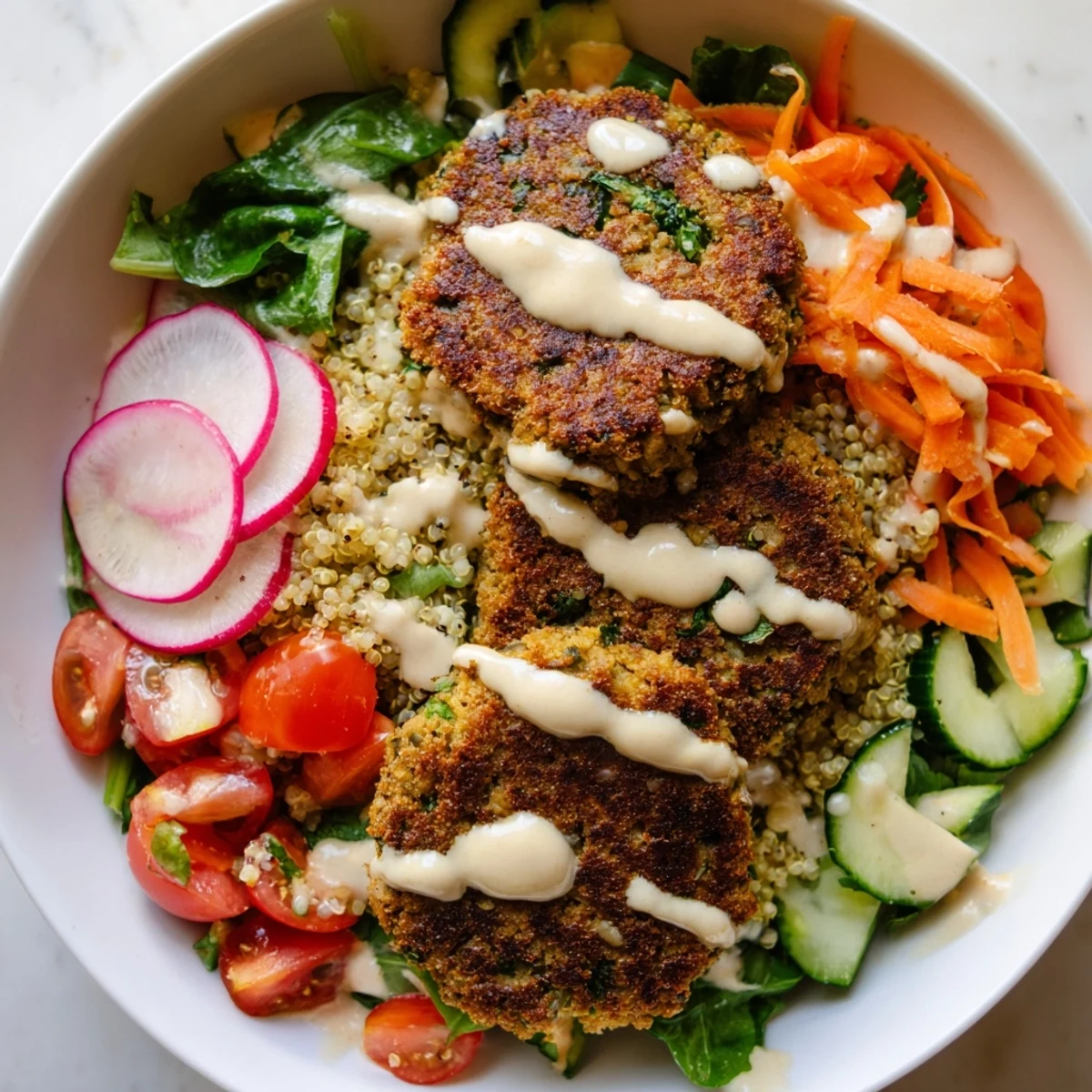
- Scoop the cooked grains into four bowls, spreading them out to create a base. Arrange the mixed greens, tomatoes, cucumber, shredded carrot, red onion, and pickled vegetables on top in sections so every bite gets a little bit of everything. Nestle the warm falafel into each bowl and drizzle generously with the tahini dressing.
 Save
Save My sister-in-law ate three bowls the first time I made this for a family dinner, scraping the tahini off the sides with her spoon. She asked for the recipe before she even left the table, and now it is her go-to for weeknight dinners when she wants something that feels special but does not take all evening.
Make Ahead Your Best Friend
Cook the grains up to three days ahead and store them in the fridge, then just warm them slightly before assembling the bowls. The falafel mixture can be formed and kept on a parchment-lined sheet in the freezer for 30 minutes before frying, which helps them hold their shape better.
Customize Your Bowl
Swap the quinoa for farro or bulgur if you want a chewier grain that stands up to the crisp falafel. Roasted vegetables like eggplant or bell peppers work beautifully alongside the raw veggies, and a sprinkle of feta or olives transforms it into something entirely different.
Serving and Storage
These bowls are best assembled right before serving so the falafel stays crispy and the greens do not wilt. Leftover components keep separately in airtight containers for up to three days.
- Store the dressing in a small jar and give it a good shake before using
- Reheat falafel in a 375°F oven for about 10 minutes to restore the crunch
- The grain mixture freezes well for up to a month if you want to batch cook
 Save
Save These bowls have become my answer to the question what should we eat for dinner, filling enough to satisfy but light enough that I do not feel weighed down afterward.
Common Questions
- → Can I bake the falafel instead of pan-frying?
-
Yes, arrange the falafel patties on a parchment-lined baking sheet, brush with olive oil, and bake at 375°F (190°C) for 20–25 minutes, flipping halfway through, until golden and crisp.
- → What grains work best for this bowl?
-
Quinoa and brown rice are both excellent choices. You can also use farro, bulgur, or couscous depending on your preference and dietary needs. Each grain brings a slightly different texture to the bowl.
- → How should I store leftovers?
-
Store the falafel, grains, and vegetables in separate airtight containers in the refrigerator for up to 3 days. Keep the tahini dressing in a jar and stir before using. Reheat falafel in a skillet to restore crispness.
- → Can I make the falafel mixture ahead of time?
-
Absolutely. The falafel mixture can be prepared and refrigerated for up to 24 hours before shaping and cooking. You can also freeze shaped, uncooked falafel patties for up to 1 month.
- → Is this bowl suitable for a gluten-free diet?
-
Yes, with simple swaps. Use chickpea flour instead of all-purpose flour in the falafel, choose quinoa instead of bulgur, and verify that all packaged ingredients like tahini are certified gluten-free.
- → What can I substitute for tahini in the dressing?
-
If you have a sesame allergy or prefer an alternative, try a yogurt-based dressing with lemon and garlic, or use hummus thinned with water and lemon juice for a similar creamy texture.