
 Save
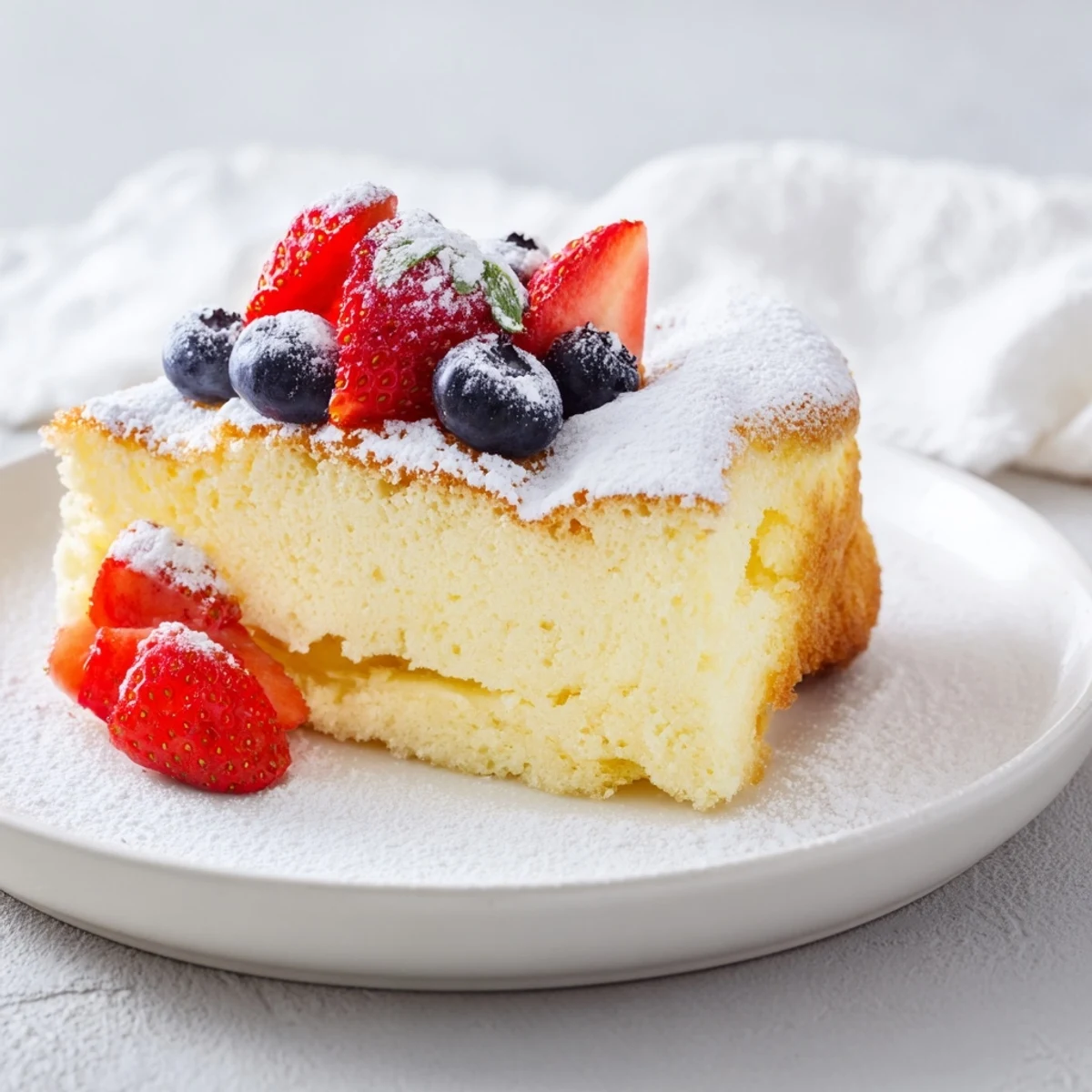
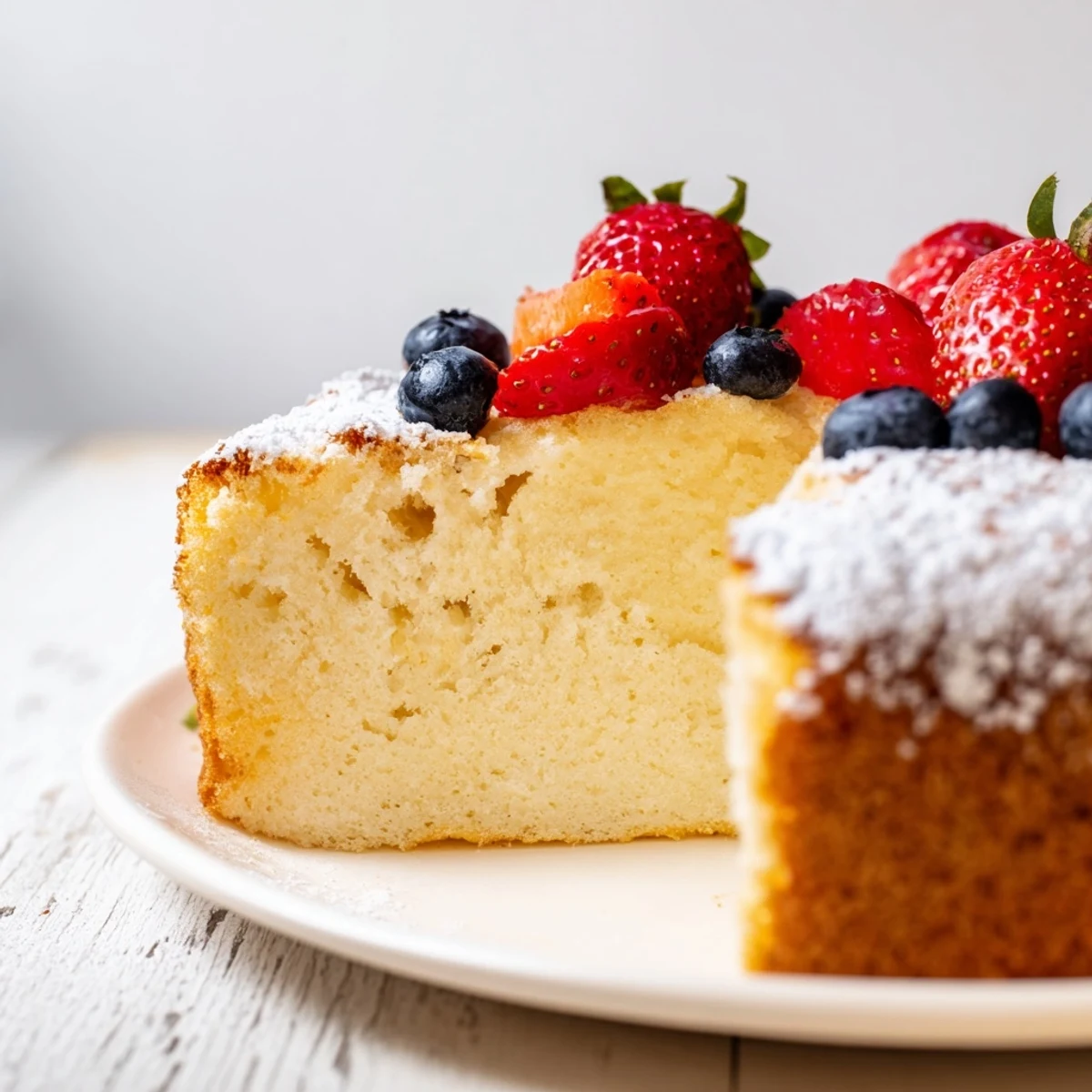
Save This European-style dessert combines the tanginess of Greek yogurt with eggs, flour, and cornstarch to create an exceptionally light and tender crumb. The secret lies in folding beaten egg whites into the batter, giving it that signature cloud-like texture that practically melts in your mouth. With hints of lemon zest and vanilla, each bite delivers subtle sweetness without being overwhelming. Perfect for warm weather or whenever you crave something indulgent yet refreshing.
The first time I made this cake, I actually forgot to add the oil until the very last second. There I was, yogurt and egg yolks already whisked together, when I spotted the measuring cup sitting innocently on the counter. I folded it in anyway, holding my breath, and that tiny mistake somehow made the texture even more delicate. Sometimes the kitchen gods are looking out for us.
My aunt served this at her summer garden party last year, and I watched three different people ask for the recipe before dessert was even over. The way the powdered sugar settles into those little crevices on top makes it look like you spent hours on something that actually comes together in minutes. She served it with these tiny wild strawberries she had foraged that morning, and I have never forgotten that combination.
Ingredients
- 1 cup all-purpose flour: The cornstarch does the heavy lifting for tenderness, so regular flour works perfectly here
- 1/2 cup cornstarch: This is the secret weapon for that cloud-like crumb
- 1 1/2 tsp baking powder: Do not substitute with soda, the lift needs to be gentle
- 1/4 tsp salt: Just enough to wake up the flavors
- 4 large eggs, separated: Room temperature eggs will give you the best volume
- 3/4 cup granulated sugar divided: Using some in the whites helps stabilize them
- 1/2 cup vegetable oil: Neutral oils let the vanilla and lemon shine
- 1 cup full-fat Greek yogurt: The full fat is non-negotiable here
- 1 tsp vanilla extract: Use the good stuff if you have it
- Zest of 1 lemon: Stop zesting before you hit the white pith
Instructions
- Preheat your oven to 325°F and prep the pan:
- Line only the bottom with parchment and leave the sides completely ungreased, the cake needs to climb those walls
- Whisk the dry ingredients together:
- Flour, cornstarch, baking powder, and salt in one bowl, give them a quick whisk to combine
- Beat the egg yolks:
- Whisk yolks with half the sugar until pale, then add the oil, yogurt, vanilla, and lemon zest until smooth
- Fold in the dry ingredients:
- Gently incorporate the flour mixture until just combined, a few streaks are fine
- Beat the egg whites:
- Beat whites until soft peaks form, then gradually add remaining sugar and beat until stiff and glossy
- Combine the mixtures:
- Fold one-third of whites into the batter to lighten it, then gently fold in the rest
- Bake until set:
- Pour into the pan, smooth the top, and bake for 40 to 45 minutes until the center is set
- Cool completely:
- Let it rest in the pan for 10 minutes before carefully removing to cool completely
 Save
Save Last summer I made this for a dinner party where one guest mentioned she did not like dessert. She took a tiny polite slice and then went back for seconds, and by the end of the night she was asking if there was any left to take home. Something about that airy texture just wins people over.
Making It Your Own
Swap the lemon zest for orange or grapefruit depending on what is in your fruit bowl. I have used blood orange in winter and it was stunning. You can also add a tablespoon of poppy seeds to the batter for a little texture surprise.
Storage Wisdom
This cake is at its absolute best within four hours of baking, but it will keep for two days in an airtight container. The texture does settle a bit overnight, but it is still incredibly good. Chilled, it becomes almost like a very light cheesecake.
Serving Ideas
A dusting of powdered sugar is classic and simple, but I love serving this with a drizzle of honey and some fresh thyme leaves scattered on top. The herbs highlight the lemon zest in such a beautiful way.
- Warm the berries slightly with a spoonful of sugar for a quick compote
- A dollop of crème fraîche adds a lovely tang
- Mint leaves instead of thyme work beautifully too
 Save
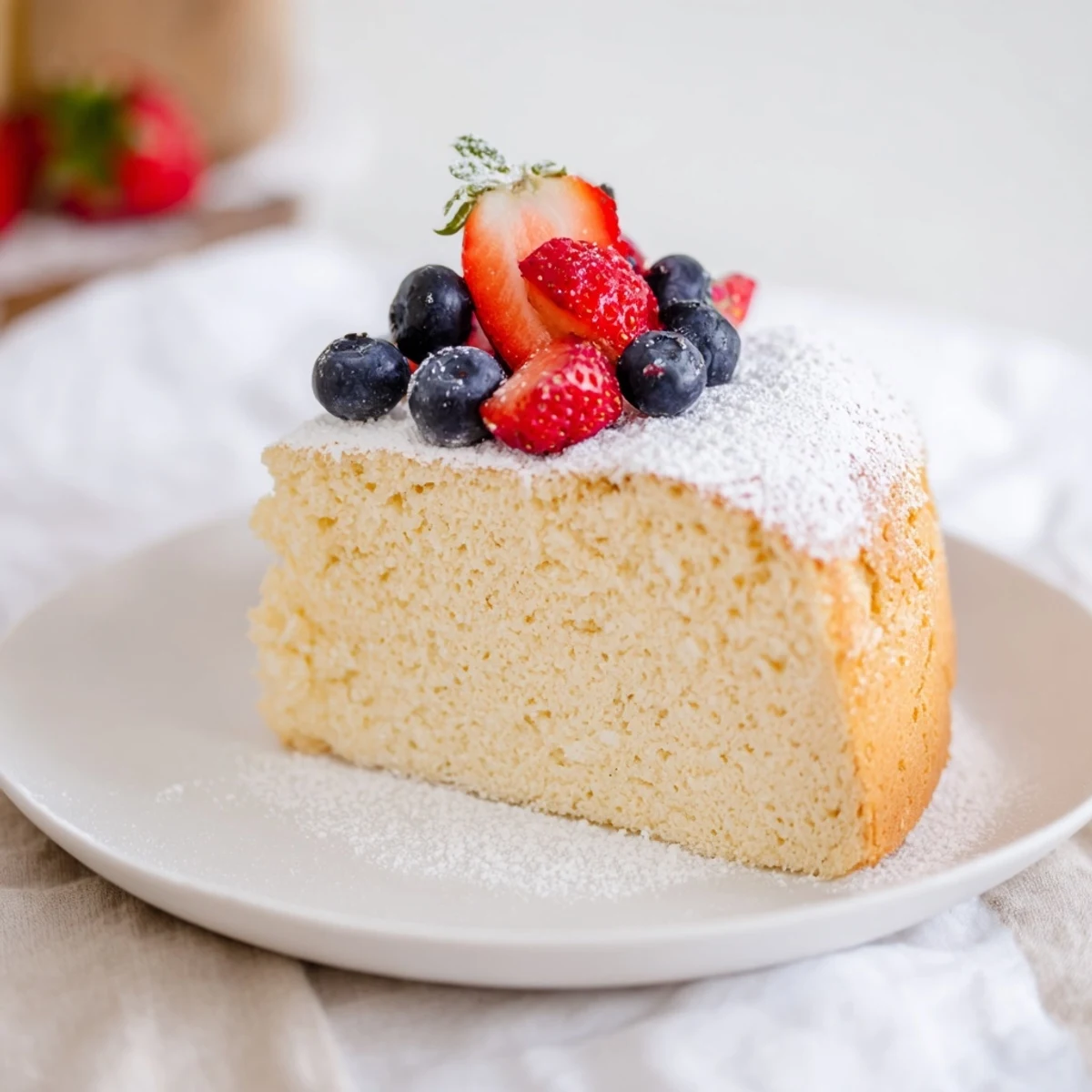
Save There is something so satisfying about slicing into this cake and seeing that tender, cloud-like crumb. I hope it finds its way into your regular rotation.
Common Questions
- → What makes this cake so light and fluffy?
-
The secret is folding stiffly beaten egg whites into the batter. This technique incorporates air bubbles that expand during baking, creating that signature cloud-like texture. Using cornstarch alongside flour also contributes to the tender, airy crumb.
- → Can I use regular yogurt instead of Greek yogurt?
-
Greek yogurt works best because it's thicker and contains less whey. Regular yogurt may make the batter too runny. If substituting, strain regular yogurt through cheesecloth for a few hours to remove excess liquid before using.
- → Why shouldn't I grease the sides of the pan?
-
Leaving the sides ungreased allows the batter to climb up the pan as it rises. This helps the cake maintain its height and structure. Only the bottom needs parchment paper to prevent sticking without inhibiting the rise.
- → How do I know when the cake is done baking?
-
Insert a toothpick into the center—it should come out clean or with just a few moist crumbs. The top should be lightly golden and spring back when gently touched. Avoid opening the oven too early, or the cake might deflate.
- → Can I add other flavors to this cake?
-
Absolutely! Try orange zest instead of lemon, or add a tablespoon of lemon juice for extra brightness. You could also fold in fresh berries or a dusting of cinnamon. The vanilla base pairs beautifully with various flavor additions.
- → Why must the egg whites be beaten to stiff peaks?
-
Stiff peaks ensure maximum air incorporation, which is essential for the cake's airy texture. Soft peaks won't provide enough structure, and overbeaten whites can become dry and difficult to fold in gently.