
 Save
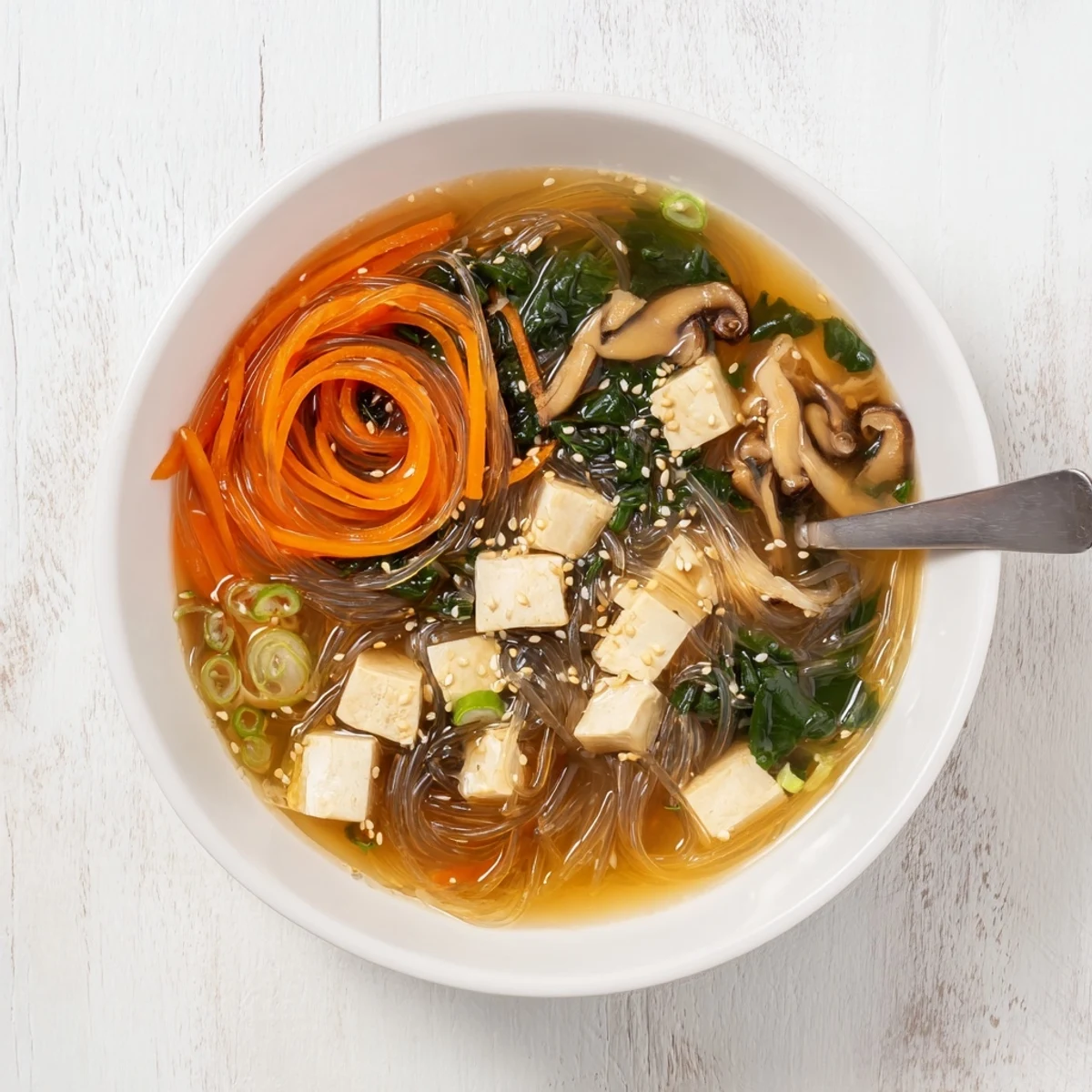
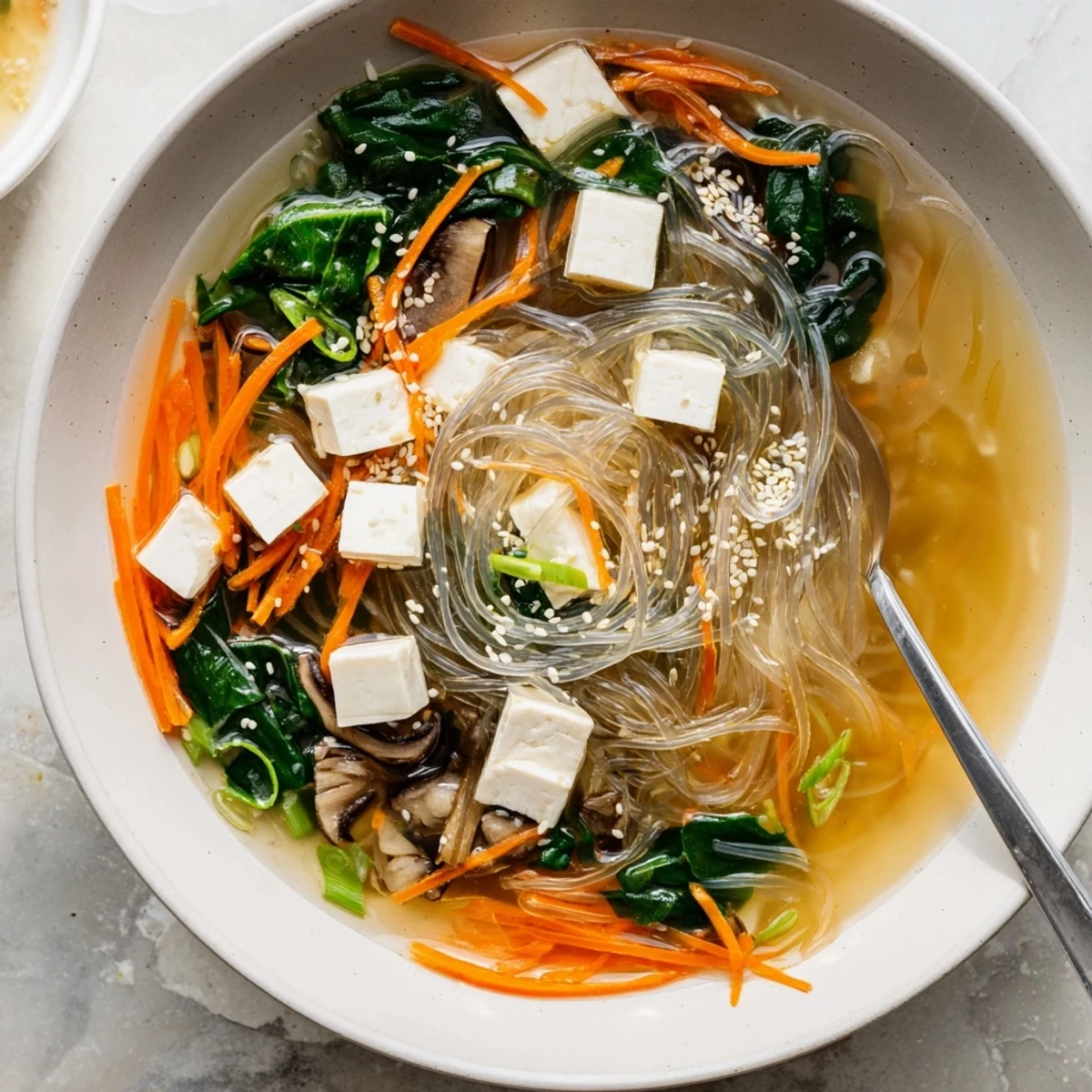
Save This Japanese-style soup combines translucent harusame glass noodles with a warm, aromatic dashi broth. The delicate noodles soak up the savory flavors of soy sauce and mirin while tender carrots, earthy shiitake mushrooms, and fresh spinach create a nourishing bowl. Ready in just 25 minutes, this light yet satisfying dish works perfectly for lunch or dinner. The optional tofu adds plant-based protein, while toasted sesame seeds bring a subtle nutty finish to each bowl.
The first time I encountered harusame noodles, I was crammed into a tiny Tokyo ramen shop during a rainstorm. The glass noodles arrived translucent and glistening, slipping through my chopsticks like silk. I've been recreating that comfort ever since, especially on days when my body craves something gentle but deeply satisfying.
Last winter, my partner came down with a terrible cold and refused to eat anything. I made this soup, the steam curling up into our bedroom where they lay bundled in blankets. Something about the slippery noodles and clear broth made it possible to eat, and they asked for it again the next day.
Ingredients
- Dashi stock: The foundation of Japanese cooking, but dont stress if you only have quality low-sodium broth on hand
- Soy sauce & mirin: This dynamic balance creates that umami depth that keeps you coming back for another spoonful
- Sesame oil: Just a single teaspoon adds a nutty fragrance that makes the whole kitchen feel cozy
- Harusame noodles: These mung bean glass noodles are translucent, delicate, and practically beg to be slurped
- Shiitake mushrooms: Their earthy meatiness anchors the light broth and adds satisfying chew
- Carrots: Julienned thin enough to cook through quickly while maintaining a slight sweetness
- Spinach or bok choy: Added at the very end to preserve that vibrant green color and fresh bite
- Firm tofu: Optional but recommended if you want protein that soaks up the seasoned broth
Instructions
- Build your broth base:
- Combine the dashi, soy sauce, mirin, sesame oil, and salt in a large saucepan. Let it come to a gentle bubble over medium heat, breathing in that savory aroma as it warms.
- Soften the hearty vegetables:
- Add your carrots and shiitake mushrooms to the simmering broth. Let them cook for about 5 minutes until the carrots begin to yield and the mushrooms release their woodsy perfume into the liquid.
- Add the protein:
- If you're using tofu, gently slide those cubes into the broth now. Let them warm through for just 2 minutes so they can begin absorbing the seasoned flavors without falling apart.
- Prep the glass noodles:
- While the broth simmers, place your harusame noodles in a heatproof bowl. Cover them with boiling water and let them soak for 4 to 5 minutes until they're perfectly tender. Drain and divide the silky noodles among four waiting bowls.
- Wilt the greens:
- Drop your spinach or bok choy into the hot broth and cook for just one minute. Watch closely as they transform from crisp to tender, then immediately remove the pan from heat.
- Assemble the bowls:
- Ladle the steaming broth and vegetables over each portion of noodles. Make sure everyone gets plenty of mushrooms, carrots, and broth in their bowl.
- Finish with garnish:
- Sprinkle toasted sesame seeds over each bowl and add extra sliced spring onion if you like. Serve immediately while the steam still rises in comforting clouds.
 Save
Save This recipe has become my go-to when friends visit and we're all too tired for anything elaborate. We gather around the coffee table with our individual bowls, steam fogging up our glasses, and somehow the conversation always turns deeper.
Making It Your Own
The beauty of this soup lies in its adaptability. I've added shredded chicken breast for protein, swapped shiitakes for enoki mushrooms when I wanted something more delicate, and even thrown in wakame seaweed during the final minute of cooking for an oceanic note. Once you make the base a few times, you'll start improvising with whatever catches your eye at the market.
The Noodle Factor
Harusame noodles are worth seeking out for their incredible texture and how they seem to amplify rather than mask the flavors of the broth. They're naturally gluten-free but always check the package if that matters for your dietary needs. In a pinch, thin rice vermicelli works, though the mouthfeel will be slightly different.
Serving Suggestions
This soup wants to be the star of your meal, but a simple side can round it out beautifully. I sometimes serve it with pickled vegetables or a small cucumber salad dressed with rice vinegar. A final dusting of shichimi togarashi adds a gentle warmth that cuts through the broth's richness.
- Keep chili oil on the table for anyone who wants to turn up the heat
- Leftover broth keeps well refrigerated for up to three days, though the noodles are best enjoyed fresh
- A squeeze of fresh lime juice right before eating brightens everything beautifully
 Save
Save Something about this soup manages to be both healing and exhilarating at once. I hope it finds you on a day when you need exactly that.
Common Questions
- → What are harusame noodles?
-
Harusame are Japanese glass noodles made from mung bean starch, potato starch, or sometimes rice. They're translucent, thin noodles that become tender and slightly chewy when cooked. Naturally gluten-free, they absorb flavors beautifully and are commonly used in soups, salads, and stir-fries throughout Japanese cuisine.
- → Can I make this soup vegetarian?
-
Yes, simply substitute the traditional dashi stock with vegetable broth or kombu-based dashi. Standard dashi is made with bonito flakes (fish), so using vegetable broth makes this entirely plant-based while maintaining the umami-rich flavor profile.
- → How do I store and reheat leftovers?
-
Store the broth and noodles separately in airtight containers in the refrigerator for up to 2 days. The noodles will continue absorbing liquid, so keeping them apart prevents them from becoming mushy. Reheat the broth gently on the stove until steaming, then add the noodles just before serving.
- → Can I add other vegetables?
-
Absolutely. This versatile soup works well with snow peas, bok choy, bamboo shoots, or enoki mushrooms. For extra protein, consider adding shredded cooked chicken, shrimp, or edamame. Adjust cooking times accordingly so vegetables remain tender-crisp.
- → Is this soup spicy?
-
The traditional version is mild and savory. If you enjoy heat, add a few drops of chili oil or sprinkle shichimi togarashi (Japanese seven-spice blend) as a garnish. You can also add fresh ginger or a pinch of red pepper flakes to the broth while simmering.