
 Save
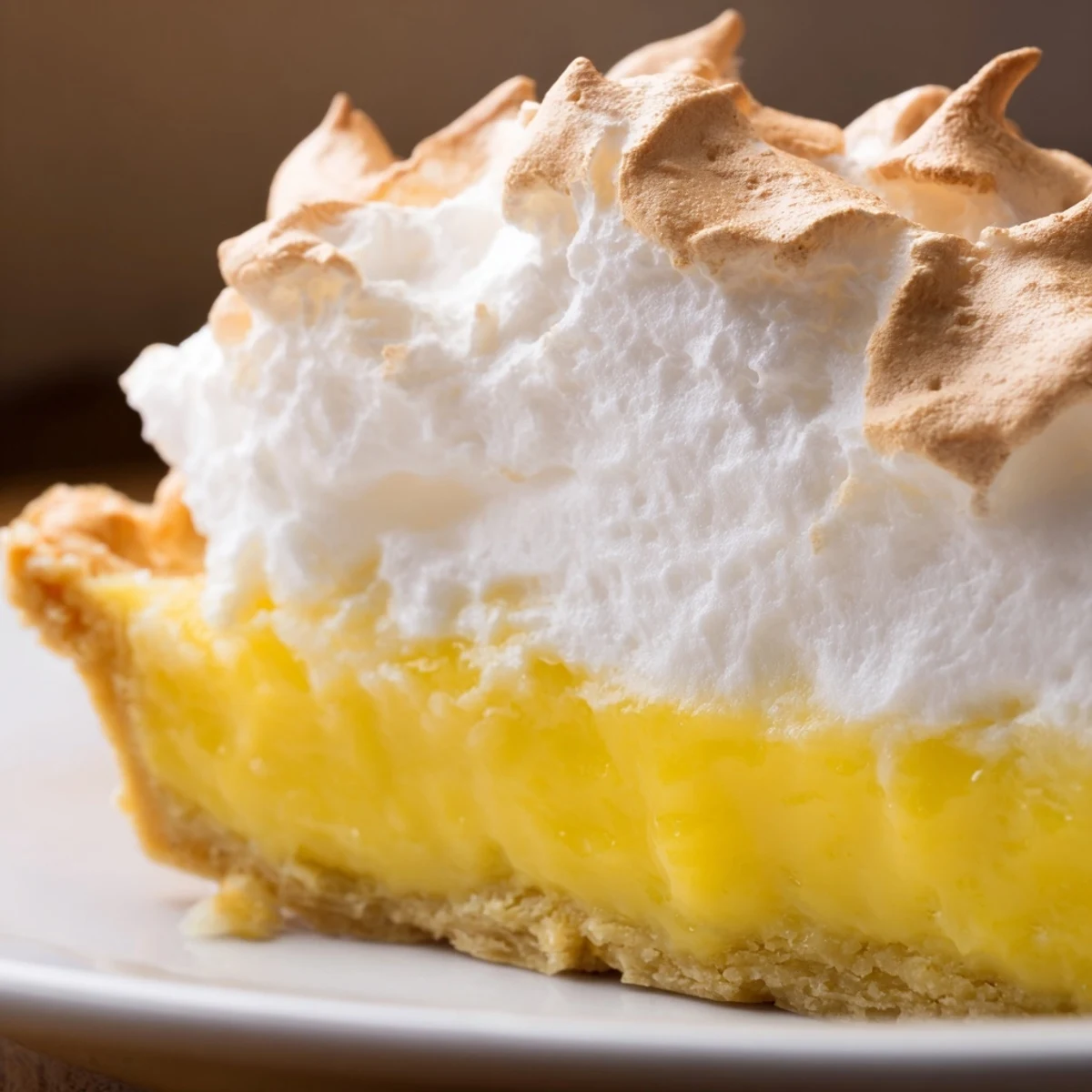
Save This dessert combines a buttery, flaky crust with a smooth, tangy lemon filling made from fresh lemon juice and zest. The crisp texture of the baked crust complements the silky curd perfectly. Topped with a billowy toasted meringue, made from whipped egg whites and sugar, it creates a light and airy contrast. Baking at precise temperatures and cooling it properly helps maintain the structure and flavor balance. Ideal for those who enjoy a refreshing citrus finish with a sweet, soft topping.
There's something about a lemon meringue pie that stops a dinner table mid-conversation. My grandmother kept one chilling in her refrigerator most summer afternoons, and I'd sneak slices when no one was looking, that perfect moment when the crisp crust gave way to silky filling and the meringue dissolved on my tongue like sweetened cloud. The first time I made it myself, I was terrified of the meringue collapsing, but standing in my own kitchen watching it puff and golden in the oven, I understood why she made it so often.
I made this pie for my best friend's birthday on a Tuesday evening when we both needed something to look forward to. She sat at my kitchen counter with a cup of tea, talking about her week while I rolled out dough and zested lemons, and by the time we pulled it from the oven, somehow the day felt less heavy. We didn't even wait for it to fully cool.
Ingredients
- All-purpose flour: The foundation of your crust, and cold flour matters more than you'd think.
- Unsalted butter, cold and cubed: This is what creates those tender, flaky layers; don't let it soften.
- Granulated sugar: For both crust and filling, though you'll use more in the filling to balance the lemon's bite.
- Salt: A pinch in the crust, another in the filling, to make the lemon sing.
- Ice water: Keep it actually cold; warm water overworks the dough.
- Cornstarch: The secret to a filling that sets without being gluey.
- Freshly squeezed lemon juice: Bottled juice tastes flat next to fresh; squeeze it yourself.
- Lemon zest: Grate it fine so it distributes evenly and adds brightness without graininess.
- Egg yolks and whites: Separated carefully; any yolk in the whites ruins meringue volume.
- Cream of tartar: Stabilizes the meringue and prevents the weeping that ruins so many homemade pies.
- Vanilla extract: A small touch that deepens the sweetness without announcing itself.
Instructions
- Build your crust foundation:
- Mix flour, sugar, and salt in a bowl, then work in cold butter with your fingertips until it looks like coarse breadcrumbs. Add ice water slowly, stirring until just combined; overworking this dough is how you end up with toughness instead of tender flakes. Shape into a disc, wrap it, and let it rest in the fridge while you do something else.
- Blind bake the shell:
- Roll out your chilled dough on a floured surface and fit it into the pie dish, crimping the edges so they look intentional. Prick the bottom with a fork, line it with parchment, and fill with pie weights or dried beans to keep it from puffing up during the first 15 minutes of baking. After that, remove the weights, bake another 10 to 12 minutes until golden, then let it cool while you make the filling.
- Create the lemon curd:
- In a saucepan, whisk together sugar, cornstarch, and salt, then slowly add water while whisking so no lumps form. Heat over medium, stirring constantly until the mixture thickens and bubbles, which takes about 5 to 7 minutes and is the moment you stop worrying it's not working. Whisk your egg yolks in a separate bowl, then slowly pour in half the hot mixture while whisking constantly to temper them so they don't scramble; pour this back into the saucepan and cook 2 minutes more, stirring.
- Finish the filling:
- Remove the pan from heat and stir in lemon juice, zest, and butter until everything is smooth and glossy. Pour this into your cooled crust while it's still warm enough to flow; this warmth matters for what comes next.
- Top with meringue:
- Beat egg whites and cream of tartar until soft peaks form, then gradually add sugar while beating until the peaks turn stiff and glossy. Add vanilla, then spread the meringue over the hot filling, making sure it touches the crust all the way around so it seals properly and won't shrink away from the edges.
- Bake until golden:
- Bake at 350°F until the meringue peaks turn light golden, which takes 12 to 15 minutes. Let it cool at room temperature for an hour, then refrigerate at least an hour more before slicing, because a warm pie will slice into soup.
 Save
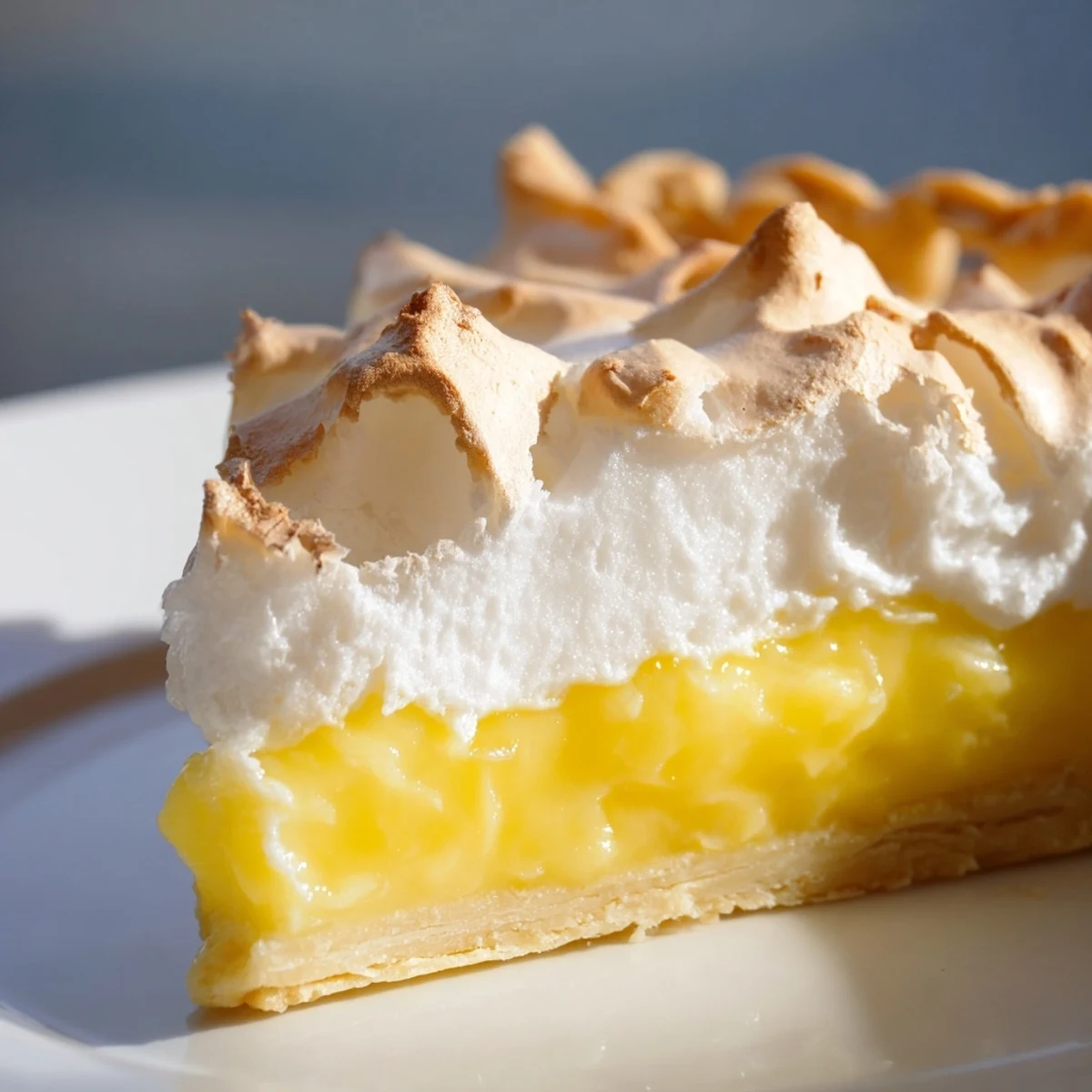
Save There's a moment when you pull this pie from the oven and the kitchen fills with the smell of toasted meringue and lemon that feels like success. It's not just a dessert at that moment; it's proof that you tried something that looked complicated and made it anyway.
Why the Crust Matters
The crust is where patience pays dividends. I learned this the hard way when I skipped the chill time and ended up with a crust that shrunk and broke. Cold butter creates steam pockets between layers, and cold dough resists overworking, both of which give you that shatteringly crisp base that holds the filling without becoming soggy. If you don't have time to blind bake, you don't have time to make this pie.
The Lemon Balance
Too much lemon juice and the filling stays loose; too little and you've basically made sweet cornstarch paste. Fresh juice matters because it adds brightness that bottled juice can't match, and the zest adds flavor without additional liquid. Meyer lemons are sweeter and floral if you can find them, but standard lemons will give you that perfect tart punch that makes people remember this pie.
Meringue Magic and Timing
Meringue is one of those kitchen things that seems finicky until you understand what's actually happening. You're creating a foam by trapping air in egg white proteins, which is why grease ruins everything and why you beat it gradually with sugar, which dissolves and stabilizes those bubbles. Bake it quickly so the outside browns before the inside dries out, and serve it the day you make it because meringue gets weepy and sad after sitting overnight.
- Room-temperature egg whites whip faster and fuller than cold ones, so take them out of the fridge 15 minutes before you need them.
- If your meringue ever looks grainy or thin, stop beating; you've overworked it, and there's no fixing it.
- The moment you spread it over the hot filling, the heat starts cooking the bottom layer, which is another reason temperature matters.
 Save
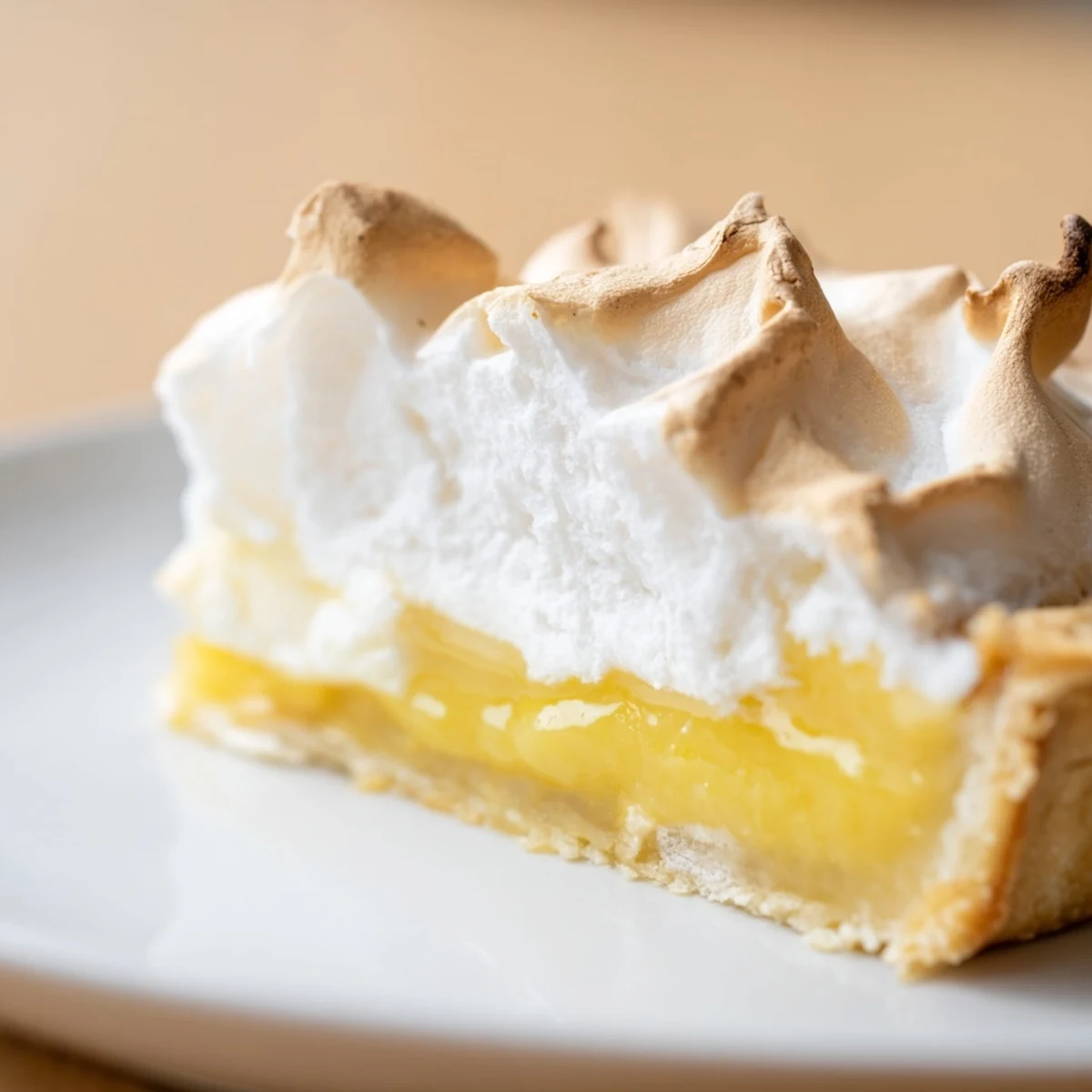
Save Make this pie when you want to feel like someone who knows their way around a kitchen, because you will. Serve it cold with fresh berries on the side, and watch people's faces when they taste meringue they didn't have to buy in a box.
Common Questions
- → How do I prevent the meringue from weeping?
-
Spread the meringue over the lemon curd while it’s still hot and seal it to the crust edges. This helps prevent moisture from seeping out.
- → Can I use different lemons for a sweeter taste?
-
Yes, Meyer lemons offer a sweeter, floral flavor that complements the tartness of the filling nicely.
- → What’s the best way to blind bake the crust?
-
Line the crust with parchment and pie weights, bake until edges are golden, then remove weights and bake a bit longer for a crisp, firm base.
- → How thick should the lemon filling be?
-
Cook the filling until it becomes thick and bubbly, similar to a pudding, to ensure it sets well once cooled.
- → Is whipping egg whites at room temperature important?
-
Egg whites whip better and achieve greater volume at room temperature, which is essential for a stable, fluffy meringue topping.