
 Save
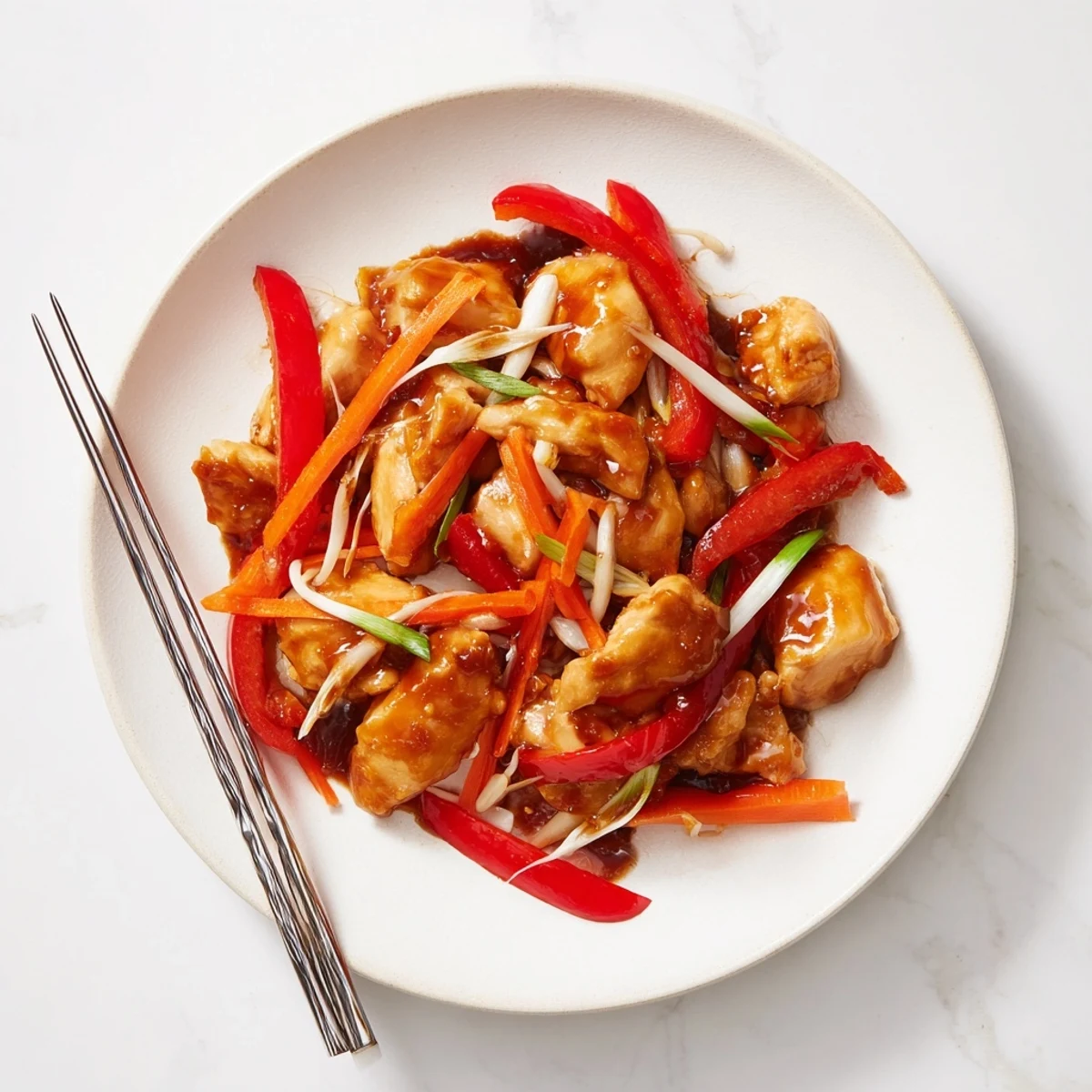
Save This Beijing-inspired dish features thinly sliced chicken breast marinated in soy and Shaoxing wine, then quickly stir-fried with crisp vegetables like bell peppers, carrots, and bean sprouts. The star of the dish is the luscious sauce—a perfect balance of hoisin, soy, rice vinegar, and sesame oil that creates that distinctive sweet-savory Peking flavor profile.
The entire preparation comes together in just 35 minutes, making it ideal for weeknight dinners. The technique involves quick high-heat cooking to maintain the chicken's tenderness while keeping vegetables crisp-tender. Serve over steamed jasmine rice or roll inside thin pancakes for an authentic experience.
The first time I attempted Peking style chicken, I completely underestimated how quickly everything happens in a wok. My husband walked into the kitchen just as I was frantically tossing vegetables and chicken with one hand while trying not to burn the sauce with the other. That chaotic night taught me that preparation is everything, and now this dish has become our go-to when we want something that feels like takeout but tastes like home.
Last winter, my sister came over after a terrible week at work, and I made this for her. She took one bite and actually stopped talking about her stress completely, just closed her eyes and smiled. Food has this magical way of hitting pause on everything else going on in life.
Ingredients
- 500 g boneless chicken breast: Slice it thin against the grain, almost translucent, so it stays tender through high heat cooking
- 1 tbsp soy sauce: This first marinade layer penetrates the meat, so do not skip this step
- 1 tbsp Shaoxing wine: Dry sherry works in a pinch, but the real thing adds that authentic depth
- 1 tsp cornstarch: Creates a protective coat that keeps chicken silky and moist
- 3 tbsp hoisin sauce: The heart of the whole dish, look for a brand without too many additives
- 2 tbsp soy sauce: Adds the savory backbone to balance the hoisin
- 1 tbsp rice vinegar: Cuts through the sweetness and brightens everything
- 2 tsp sugar: Helps that glossy restaurant quality glaze form
- 1 tbsp sesame oil: Toasted, not raw, makes all the difference here
- 2 cloves garlic: Minced fresh, nothing from a jar, please
- 1 tbsp fresh ginger: Grate it fine so it almost dissolves into the sauce
- 1 red bell pepper: Thin slices add color and a slight sweetness
- 1 carrot: Julienned matchsticks stay crunchy and look beautiful
- 4 scallions: Cut them into longer pieces so they do not disappear
- 100 g bean sprouts: Add these last so they keep their snap
- 2 tbsp vegetable oil: High smoke point is non-negotiable for wok cooking
Instructions
- Marinate the chicken:
- Combine the sliced chicken with soy sauce, Shaoxing wine, and cornstarch in a bowl. Let it sit for 10 minutes while you prep everything else, this short wait makes such a difference in texture.
- Whisk the sauce:
- Mix hoisin, soy sauce, rice vinegar, sugar, sesame oil, and water in a small bowl until completely smooth. Keep it right beside your stove because once cooking starts, you will not have time to measure anything.
- Sear the chicken:
- Heat 1 tablespoon oil in your wok over high heat until it shimmers. Add chicken in a single layer and let it develop a golden color before tossing, about 3 to 4 minutes total. Remove it to a plate and do not worry about undercooked spots, it will finish cooking later.
- Bloom the aromatics:
- Add the remaining oil to the hot wok, then garlic and ginger. Stir constantly for 30 seconds until the fragrance fills your kitchen but nothing browns.
- Cook the vegetables:
- Add bell pepper and carrot slices, keep them moving for 2 to 3 minutes. You want them tender but still with some crunch, not soft.
- Bring it together:
- Return chicken to the wok along with scallions and bean sprouts. Toss everything for 1 minute just to warm through.
- Add the sauce:
- Pour in your sauce mixture and toss vigorously until everything is coated and glossy. Let it cook for 2 more minutes until the sauce clings to the ingredients.
 Save
Save My daughter now requests this for her birthday dinner every year, which honestly surprised me at first. She said it tastes like the special occasion meals we used to get in Chinatown before life got so busy.
Getting That Restaurant Texture
The cornstarch marinade is what transforms ordinary chicken into something that slides down your throat. I learned this from a Chinese cooking show years ago, and it completely changed how I approach stir-fry. The technique is called velveting, and once you taste the difference, you will never skip this step again.
Vegetable Timing
Bean sprouts should go in last or they turn into sad little strings. I made this mistake early on, adding everything together, and ended up with mushy sprouts and undercooked carrots. Now I treat each vegetable like it has its own cooking clock, and the final dish has this beautiful mix of textures.
Sauce Secrets
That glossy finish comes from the cornstarch on the chicken meeting the hot sauce. If your sauce seems too thick, add water one tablespoon at a time. Too thin, let it reduce for an extra minute. The perfect consistency coats the back of a spoon but still drips slowly off.
- Double the sauce recipe if you love extra sauce for rice
- Hoisin brands vary wildly in sweetness, taste before adding sugar
- Let the wok get smoking hot between steps for the best sear
 Save
Save This recipe is proof that with the right technique and a little confidence, you can recreate restaurant favorites in your own kitchen. Enjoy every bite of the delicious meal you have created.
Common Questions
- → What makes Peking style different from other Chinese stir-fries?
-
Peking style specifically refers to Beijing's culinary tradition, characterized by the use of hoisin sauce as a primary flavoring ingredient. This creates a distinctive sweet-savory profile that's thicker and richer than typical soy-based stir-fries, along with generous aromatics like garlic and ginger.
- → Can I prepare the sauce in advance?
-
Absolutely. The sauce can be whisked together and stored in the refrigerator for up to 5 days. Just give it a good stir before using, as the sugar may settle to the bottom. This makes assembly even faster on busy weeknights.
- → What vegetables work best in this dish?
-
While the recipe calls for bell peppers, carrots, and bean sprouts, you can easily substitute with snow peas, broccoli florets, sliced bok choy, or water chestnuts. The key is using vegetables that maintain some crunch when quickly stir-fried over high heat.
- → Is there a way to make this dish spicy?
-
Yes! Add dried chili flakes (½ to 1 teaspoon depending on your heat preference) when stir-frying the garlic and ginger. Alternatively, slice fresh red chilies and toss them in with the vegetables for a more complex heat and visual appeal.
- → Can I use chicken thighs instead of breast?
-
Certainly. Boneless, skinless chicken thighs work wonderfully and often remain juicier than breast meat. Just slice them thinly against the grain and follow the same marinating and cooking times. You may need to cook them for an extra minute or so to ensure they're fully cooked through.
- → What's the purpose of marinating the chicken in cornstarch?
-
The cornstarch helps create a protective coating on the chicken, known as velvetting. This technique keeps the meat tender and moist during high-heat cooking, preventing it from becoming tough or dry. It also helps the sauce cling better to the chicken pieces.