
 Save
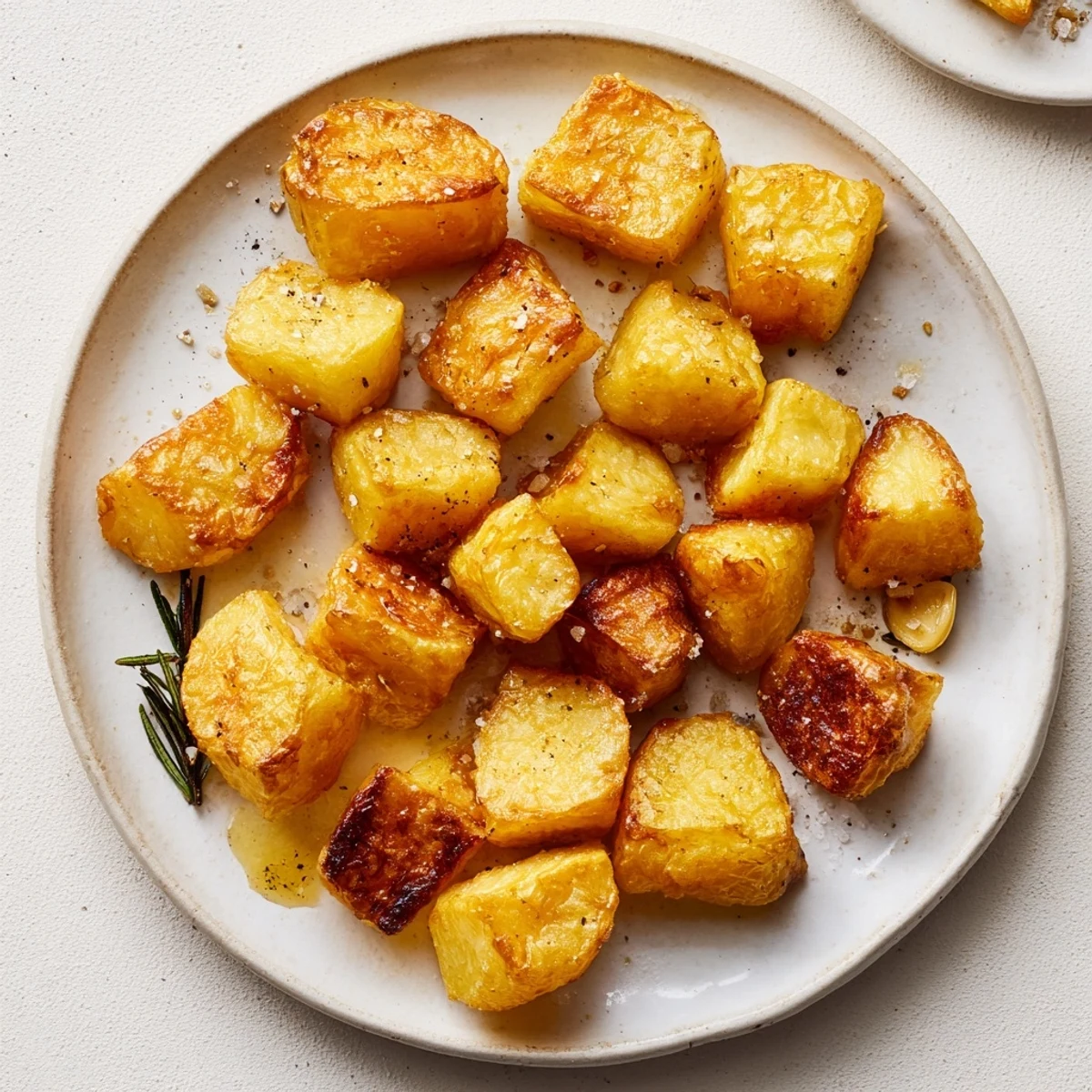
Save Master the art of creating perfectly crispy roast potatoes with this classic British technique. The secret lies in parboiling the potatoes first, then roughening up the edges in the colander before roasting in sizzling hot fat or oil. This creates that irresistible crunch whilst keeping the interior light and fluffy.
The method takes just over an hour from start to finish and yields stunning results every time. Duck or goose fat delivers traditional crispiness, whilst vegetable oil keeps things vegetarian-friendly. Season with sea salt and black pepper for simplicity, or add smashed garlic cloves and woody herbs like rosemary or thyme for extra depth.
These beauties pair wonderfully with roasted meats, grilled fish, or as the star of a vegetarian Sunday lunch. Perfect for Christmas dinner too.
The smell of duck fat sizzling in a hot oven immediately takes me back to my grandmother's tiny kitchen, where she'd orchestrate Sunday lunch with military precision. I'd perch on a stool watching her par-boil potatoes, her wooden spoon clinking rhythmically against the pot. She never measured anything, yet her roast potatoes emerged perfectly golden every single time. It took me years to understand that the shaking motion she gave the colander wasn't impatience—it was the secret to those roughened surfaces that catch the hot fat and turn impossibly crisp.
I served these at a dinner party last winter, convinced they'd be just another side dish nobody mentioned. By the end of the meal, three different guests had cornered me in the kitchen demanding the recipe. One friend admitted she'd been secretly eating them straight from the serving platter while pretending to help clean up. That's when I realized properly executed roast potatoes aren't supporting actors—they're the scene stealers that make people ask for seconds, thirds, and the recipe.
Ingredients
- Floury potatoes: Maris Piper, Yukon Gold, or Russet varieties are essential here—waxy potatoes simply won't give you that fluffy interior we're chasing
- Sea salt for boiling: This is your only chance to season the potatoes from within, so don't be shy with it
- Duck fat, goose fat, or vegetable oil: Animal fats deliver restaurant-level crispness, but oil works perfectly for vegetarian versions
- Fine sea salt and black pepper: Save these for the roasting stage when they'll cling to those crispy surfaces
- Garlic cloves and fresh herbs: Completely optional, but they infuse the fat with incredible flavor as everything roasts together
Instructions
- Preheat your oven:
- Crank it to 220°C (425°F) because serious heat is what creates the crust we're after
- Par-boil the potatoes:
- Simmer your potato chunks in salted water for 8-10 minutes until the edges soften but centers stay firm
- Create rough surfaces:
- Drain well, let steam evaporate for 2 minutes, then shake the colander until the potato edges look fluffy and damaged
- Heat the fat:
- Heat your oil or fat in the roasting pan for 5 minutes until it shimmers—cold fat equals soggy potatoes
- Coat and season:
- Carefully turn potatoes in the hot fat, adding garlic and herbs if you're using them
- First roast:
- Cook for 20 minutes, then flip each piece and sprinkle with salt and pepper
- Final crisping:
- Roast another 25-30 minutes, turning once more, until deeply golden and audibly crisp
- Drain and serve:
- A quick drain on paper towels removes excess fat before serving them piping hot
 Save
Save These potatoes have become my go-to comfort food, the dish I turn to when the world feels overwhelming and I need something reliable and deeply satisfying. There's something meditative about the process—boiling, shaking, roasting, turning—that calms my kitchen chaos. Last month, my partner caught me eating leftover roast potatoes straight from the refrigerator at midnight. They were still delicious.
Making Them Ahead
You can par-boil and roughen the potatoes up to a day in advance, storing them covered in the refrigerator. When ready to roast, bring them to room temperature for 20 minutes before adding them to the hot fat. This timing trick has saved me countless times when hosting.
Fat Choices and Flavor Twists
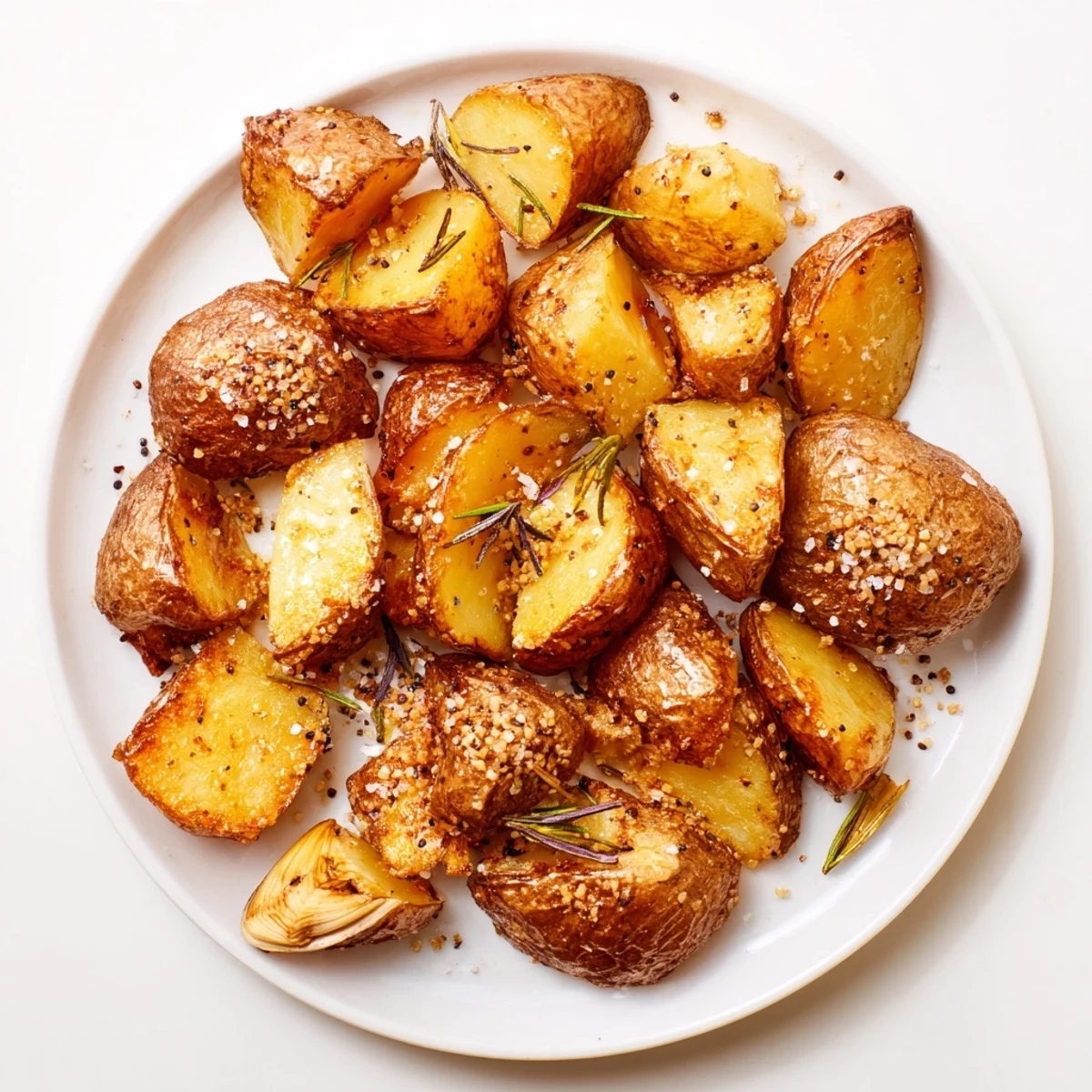
Duck fat produces the most restaurant-quality results, but I've had excellent success with coconut oil for a dairy-free version. Try tossing the hot potatoes with smoked paprika or grated Parmesan during the last 5 minutes of roasting for a flavor explosion.
Troubleshooting Common Problems
If your potatoes aren't crisping, the fat might not have been hot enough when they went in. soggy bottoms usually indicate overcrowding or insufficient oven heat. pale potatoes simply need more time—trust your eyes over the timer.
- Don't be tempted to turn them more than twice—excessive handling breaks the crispy crust
- If some pieces brown faster than others, remove them and return the pale ones to the oven
- Serve immediately because even the crispest potatoes lose their magic as they sit
 Save
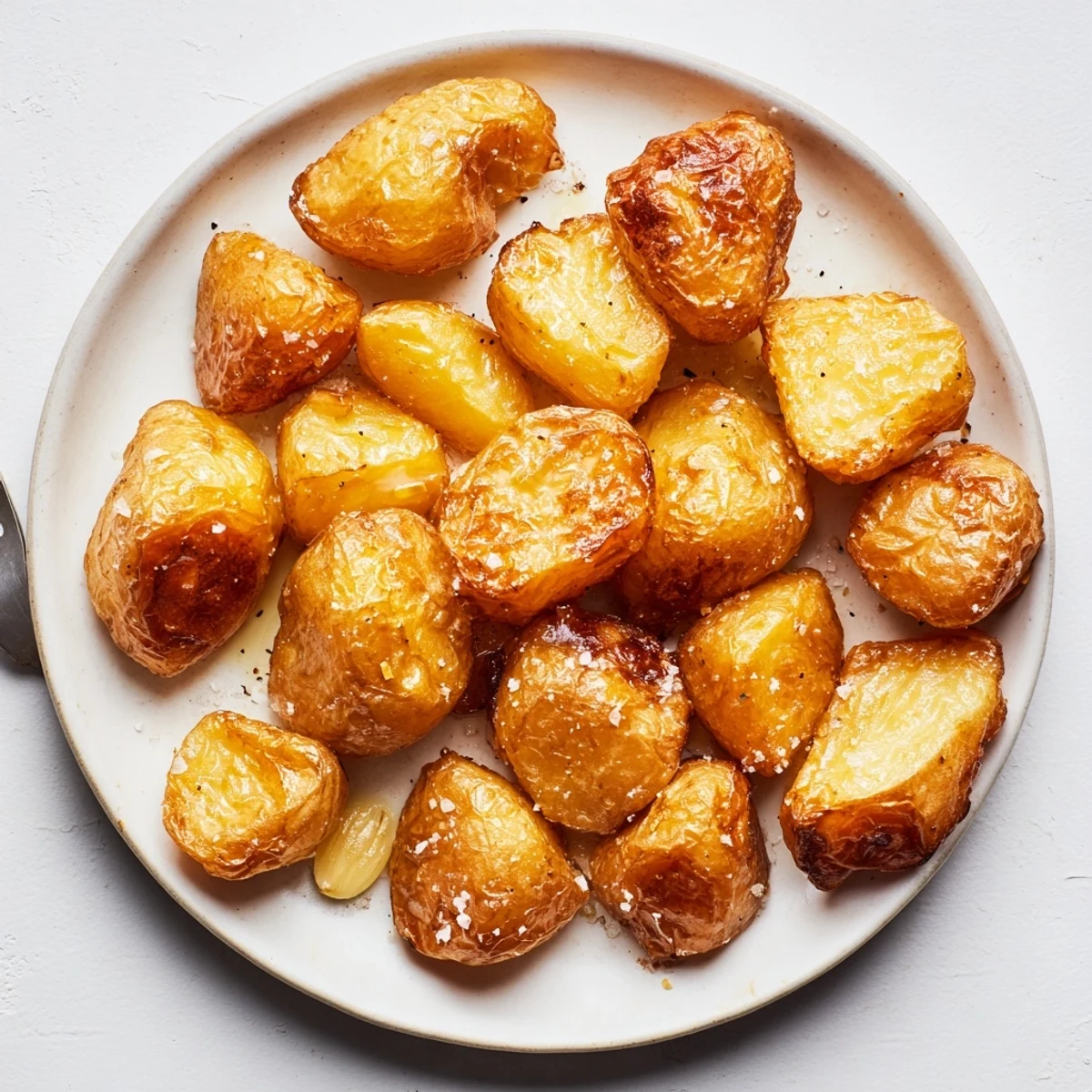
Save Perfect roast potatoes are worth every minute of effort, the kind of dish that turns a simple meal into a celebration. Once you nail this technique, you'll understand why they're arguably the most beloved side dish in British cuisine.
Common Questions
- → What potatoes are best for roasting?
-
Floury varieties like Maris Piper, Yukon Gold, or Russet work brilliantly. Their high starch content creates that fluffy interior whilst crisping up beautifully on the outside.
- → Why do my roast potatoes go soggy?
-
Soggy potatoes usually happen when they're not dried properly after boiling. Always let them steam dry in the colander for a couple of minutes and shake vigorously to roughen the surfaces before roasting.
- → Can I prepare these ahead of time?
-
You can parboil the potatoes up to a day in advance, then refrigerate them. Bring to room temperature before roasting and add an extra 5-10 minutes to the cooking time.
- → What fat gives the crispiest results?
-
Duck or goose fat delivers the crispiest, most flavourful results with a rich golden finish. For a vegetarian option, vegetable oil still produces excellent crunch.
- → How do I get extra crispy edges?
-
The key is shaking the drained potatoes in the colander to create rough, textured surfaces. This creates more edges that crisp up beautifully in the hot fat during roasting.