
 Save
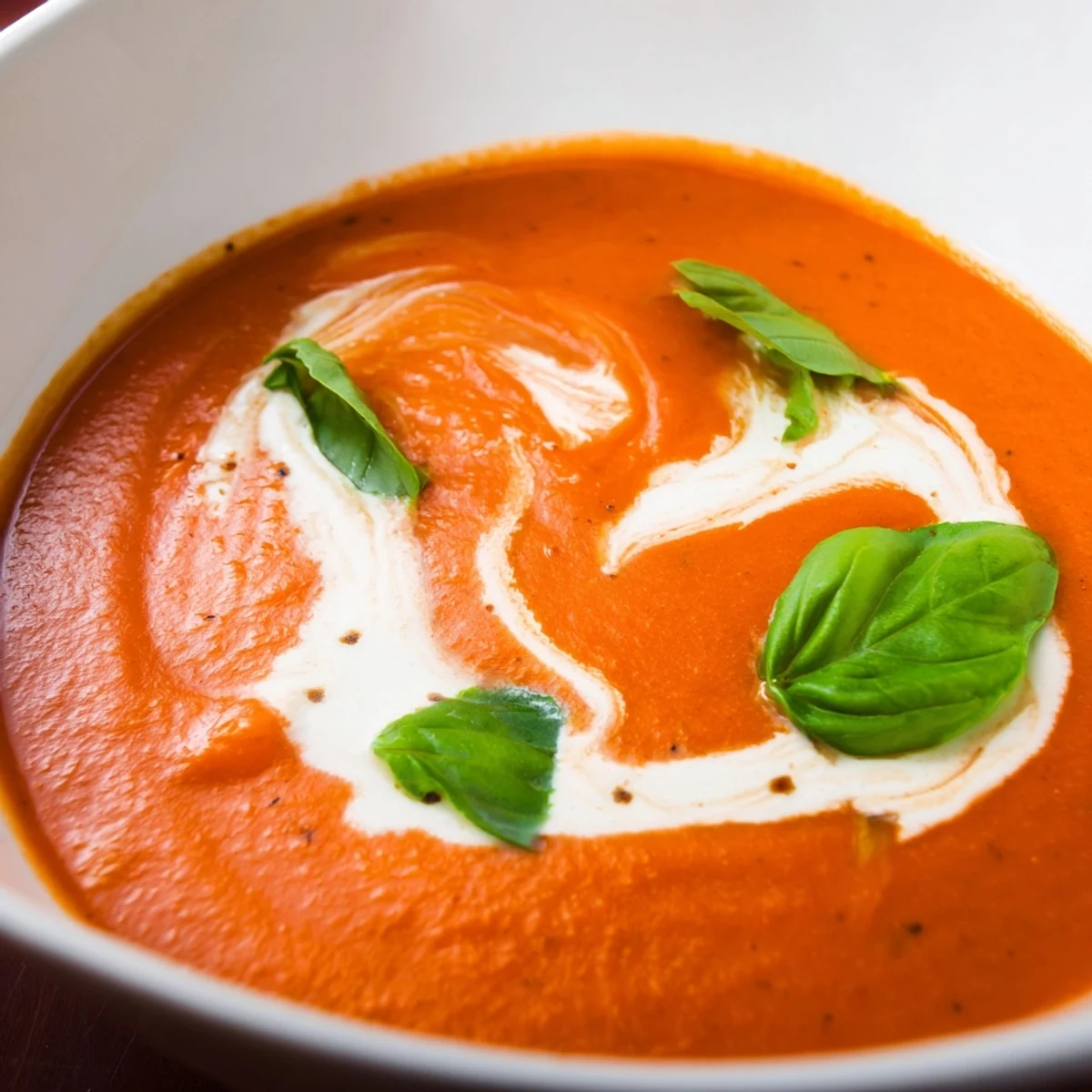
Save This dish features slow-roasted garlic and blistered tomatoes combined with fresh basil, creating a creamy, aromatic bowl that's both comforting and light. Roasting intensifies the natural sweetness while the blend of herbs adds a savory depth. Easily prepared with olive oil and seasoned to taste, it’s suitable for vegetarian and gluten-free diets. Optional cream can add richness, perfect for pairing with crusty bread or a crisp white wine.
There's something magical about the smell of garlic turning golden in a hot oven—it fills the entire kitchen with this warm, almost caramel-like sweetness that makes you forget roasted garlic is just patience and heat. The first time I made this soup, I was trying to use up a pile of tomatoes from the farmers market before they got too soft, and roasting seemed like the obvious move. What surprised me was how the long, slow roast transformed everything into something silky and rich, almost luxurious without any cream needed.
I served this to my neighbor one chilly October evening, and she literally had seconds before asking for the recipe. What made it special wasn't just the soup itself, but that moment when someone's shoulders relax after the first spoonful—when comfort food actually comforts.
Ingredients
- Ripe tomatoes (2 lbs): Look for ones that feel heavy and smell fragrant at the stem end; they're what makes or break this soup.
- Garlic head (1 whole): Roasting mellows it completely, turning it into something almost sweet and spreadable—a revelation if you're usually timid with garlic.
- Onion (1 medium, roughly chopped): The base note that you won't taste explicitly but will miss if it's not there.
- Carrot (1 medium, peeled and chopped): Adds subtle sweetness and body to balance the tomato acidity.
- Fresh basil (1/2 cup): Add it at the end; basil burned or cooked too long tastes like disappointment.
- Dried oregano (1 tsp): Works alongside the fresh herbs, giving the soup an earthy backbone.
- Red pepper flakes (1/2 tsp, optional): Just a whisper of heat if you want it, easily skipped if you prefer gentler flavors.
- Olive oil (2 tbsp): Use something you'd actually want to taste, not the cheapest bottle.
- Vegetable broth (3 cups): The liquid bridge between roasted vegetables and finished soup; taste it first if you're using store-bought.
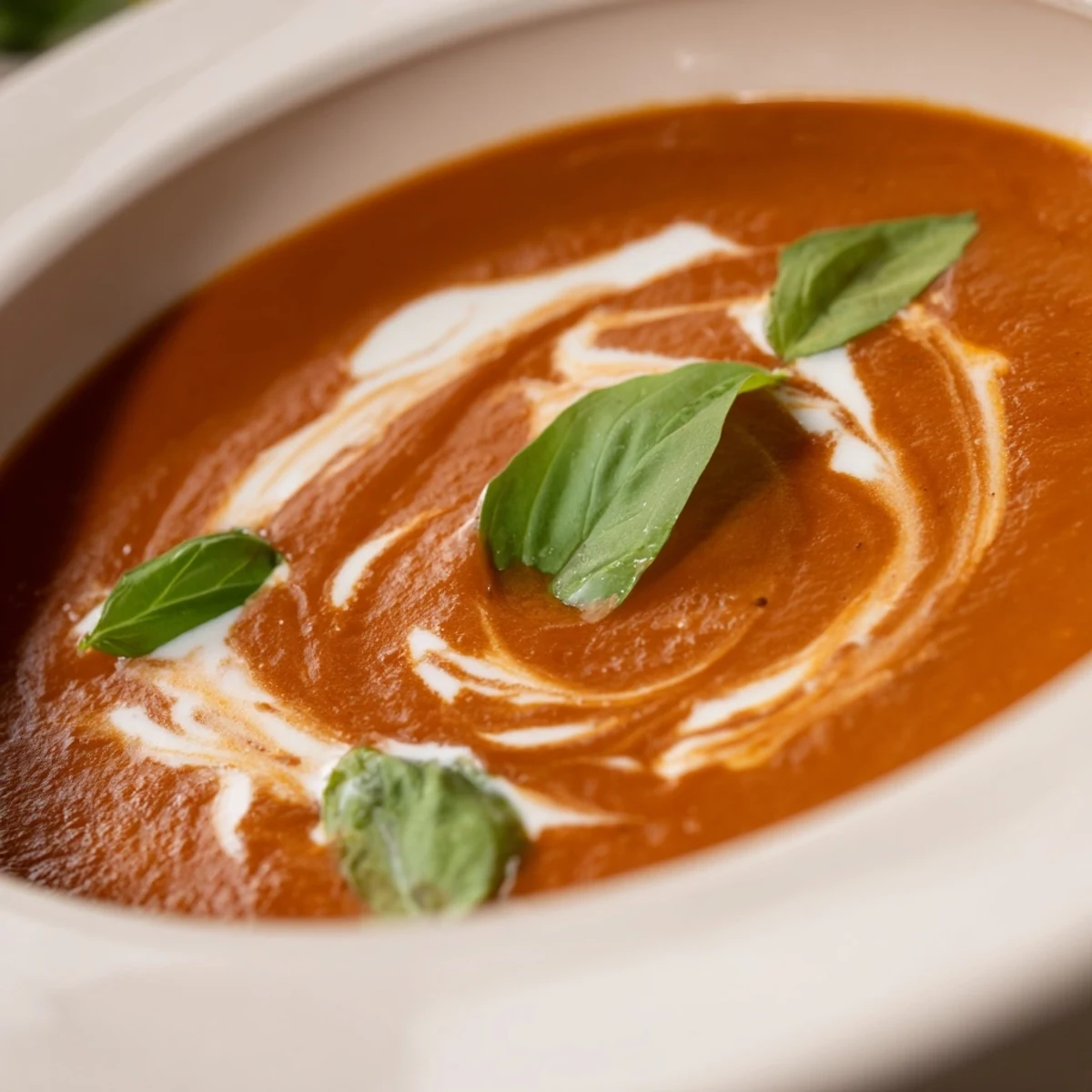
- Heavy cream (1/4 cup, optional): Swirled on top for richness, or skip it entirely for something lighter and still completely satisfying.
Instructions
- Heat the oven and prep your vegetables:
- Get the oven to 400°F and line a baking sheet with parchment—this saves cleanup and prevents sticking. Halve your tomatoes with the cut side up so they can release their juices and get those blistered edges.
- Arrange everything for roasting:
- Scatter tomatoes cut-side up, the onion chunks, carrot pieces, and that whole garlic head (sliced top off) across the sheet. Drizzle everything generously with olive oil and season with salt and pepper—don't be shy, this is where flavor starts.
- Let them roast until everything collapses:
- Into the oven for 35 to 40 minutes, until the tomatoes are blistered and shrunken, the garlic is completely soft when you touch it, and the whole kitchen smells like you're cooking something fancy. You'll know it's ready when you press a garlic clove and it squishes like butter.
- Cool slightly and squeeze out the garlic:
- Give it a few minutes to cool just enough to handle. The garlic cloves will slip right out of their papery skin with barely any pressure—this is oddly satisfying.
- Combine everything in the pot:
- Transfer all the roasted vegetables and squeezed garlic to a large pot, then pour in your vegetable broth. Add the fresh basil, oregano, and those red pepper flakes if you're using them.
- Let flavors get to know each other:
- Bring it to a gentle simmer and cook for about 10 minutes—this isn't about cooking longer, it's about letting everything meld and soften a little more.
- Puree until it's silky:
- This is the magic moment. Use an immersion blender right in the pot, moving it around until you get that smooth, velvety texture that makes people think you know what you're doing. If you're using a regular blender, work in batches and be careful with hot liquid.
- Taste and adjust:
- This is non-negotiable—taste it now and add more salt and pepper until it tastes like your version of perfect. If your tomatoes were on the acidic side, just a pinch of sugar can round things out.
- Add cream if that's your style:
- Stir in cream if you want that richness, or leave it out for something lighter. Both versions are equally good.
- Serve with something to appreciate it:
- Ladle into bowls, tear some fresh basil over the top, and serve while it's hot.
 Save
Save My favorite memory with this soup isn't fancy—it's my daughter asking for a second bowl while doing homework, then requesting it again the next week. That's when you know a recipe has actually landed in the family rotation.
When to Make This Soup
Summer and early fall feel obvious since that's when tomatoes taste like tomatoes, but this soup works year-round if you're okay with using quality canned tomatoes in winter. There's something comforting about ladling this out on a gray day when fresh tomatoes aren't in season—it tastes like summer in a bowl. Make it when you want something that feels special but doesn't demand performance anxiety.
Variations Worth Trying
Once you understand the base, it's easy to adapt. Some people add a splash of balsamic vinegar for depth, others roast red peppers alongside the tomatoes for smokiness, and there's absolutely nothing wrong with stirring in white beans for protein. I've made it with fresh thyme instead of oregano when basil wasn't around, and it was a completely different but equally lovely soup.
Storage and Serving Notes
This soup keeps beautifully in the fridge for about four days, and it actually tastes better the next day once everything has settled into itself. Freeze it without the cream, then add cream when you reheat if you want that richness. Serve it with crusty bread for soaking, a grilled cheese for dunking, or crisp crackers if you want to keep it lighter.
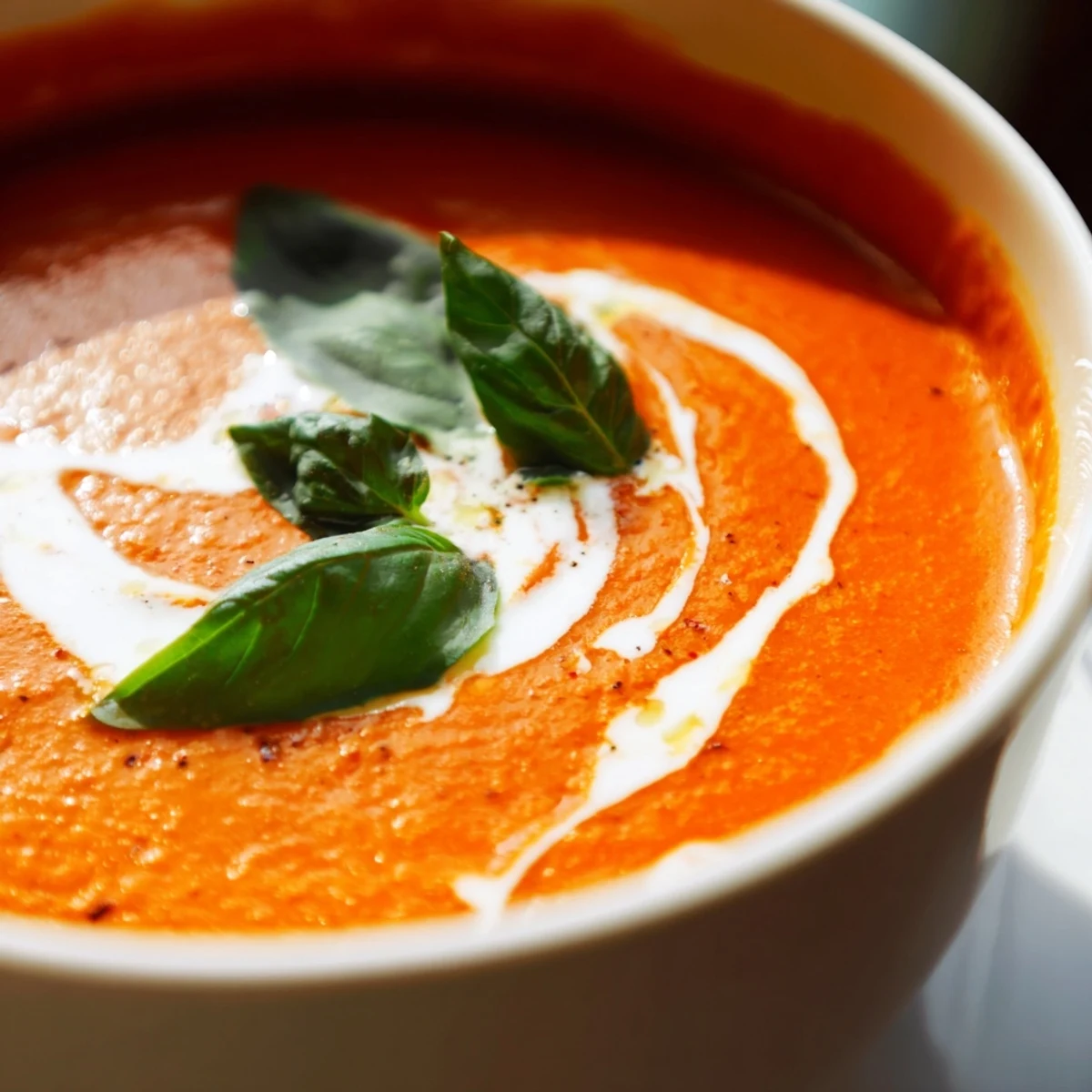
- Cold soup works too if you chill it completely and serve it on a hot day with a dollop of cream and fresh basil.
- A pour of really good olive oil on top adds elegance with minimal effort.
- Save the leftover basil to tear into the bowls right at the table for maximum freshness.
 Save
Save This soup proves that sometimes the simplest ideas—roast good things, blend them, add broth—turn into something people actually want to eat. That's worth knowing.
Common Questions
- → How does roasting garlic affect the flavor?
-
Roasting garlic softens its sharpness, bringing out a sweet, mellow, and nutty flavor that enhances the dish's aroma.
- → Can I use fresh tomatoes instead of canned?
-
Fresh, ripe tomatoes are ideal as they roast well, developing a rich, naturally sweet taste integral to the soup's character.
- → What is the best way to blend the soup for smoothness?
-
Using an immersion blender directly in the pot offers easy control, or a countertop blender works well in batches for a silky texture.
- → Is it necessary to add cream for richness?
-
The cream is optional; it gives extra smoothness and richness, but the soup is also delicious without it, maintaining a light profile.
- → Which herbs complement roasted garlic and tomatoes best?
-
Fresh basil and dried oregano strike the perfect balance, enhancing the natural flavors without overpowering the dish.
- → Can this dish be served cold or is it best warm?
-
While best served warm to enjoy the full aroma and depth, chilling is possible for a refreshing variation, though flavors mellow slightly.