
 Save
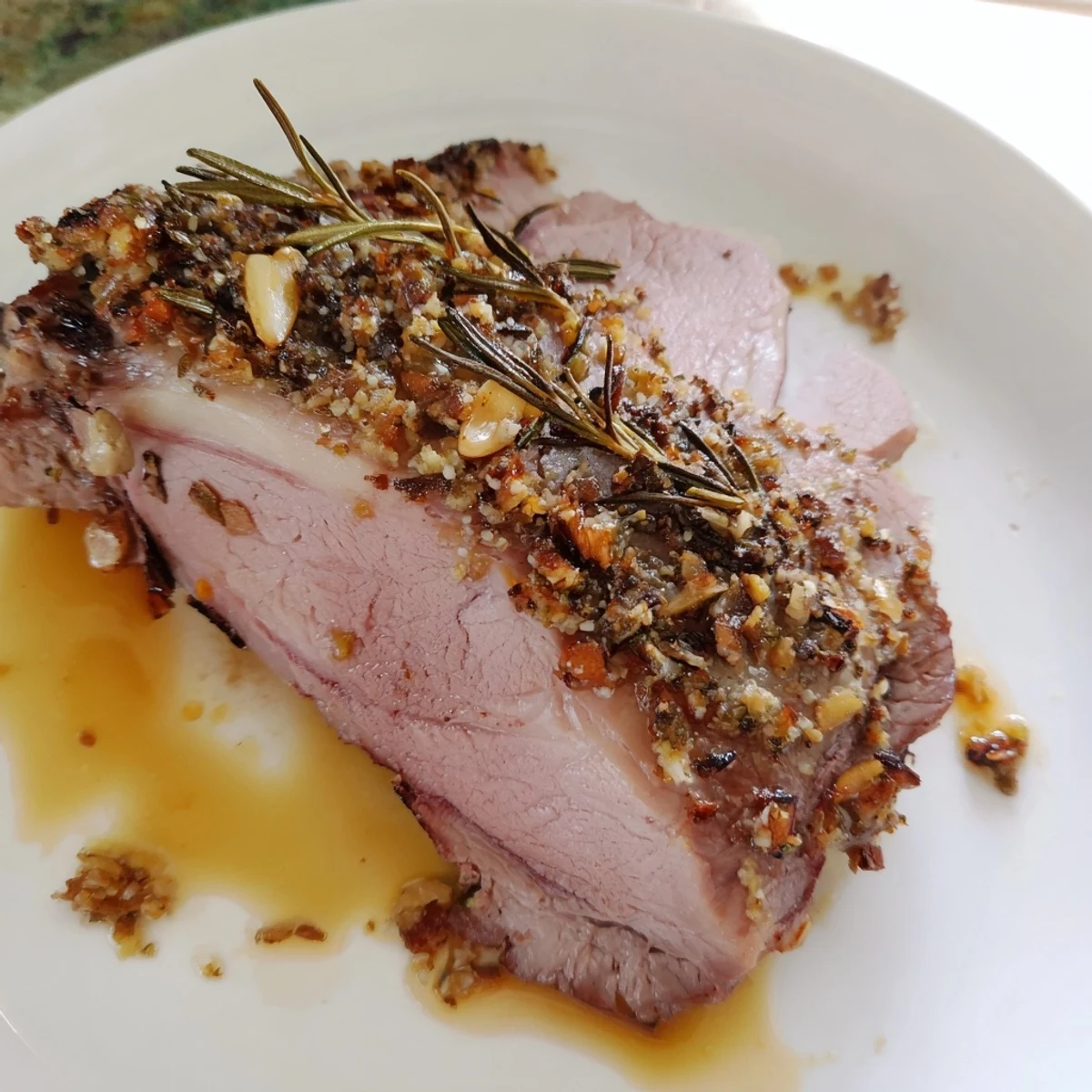
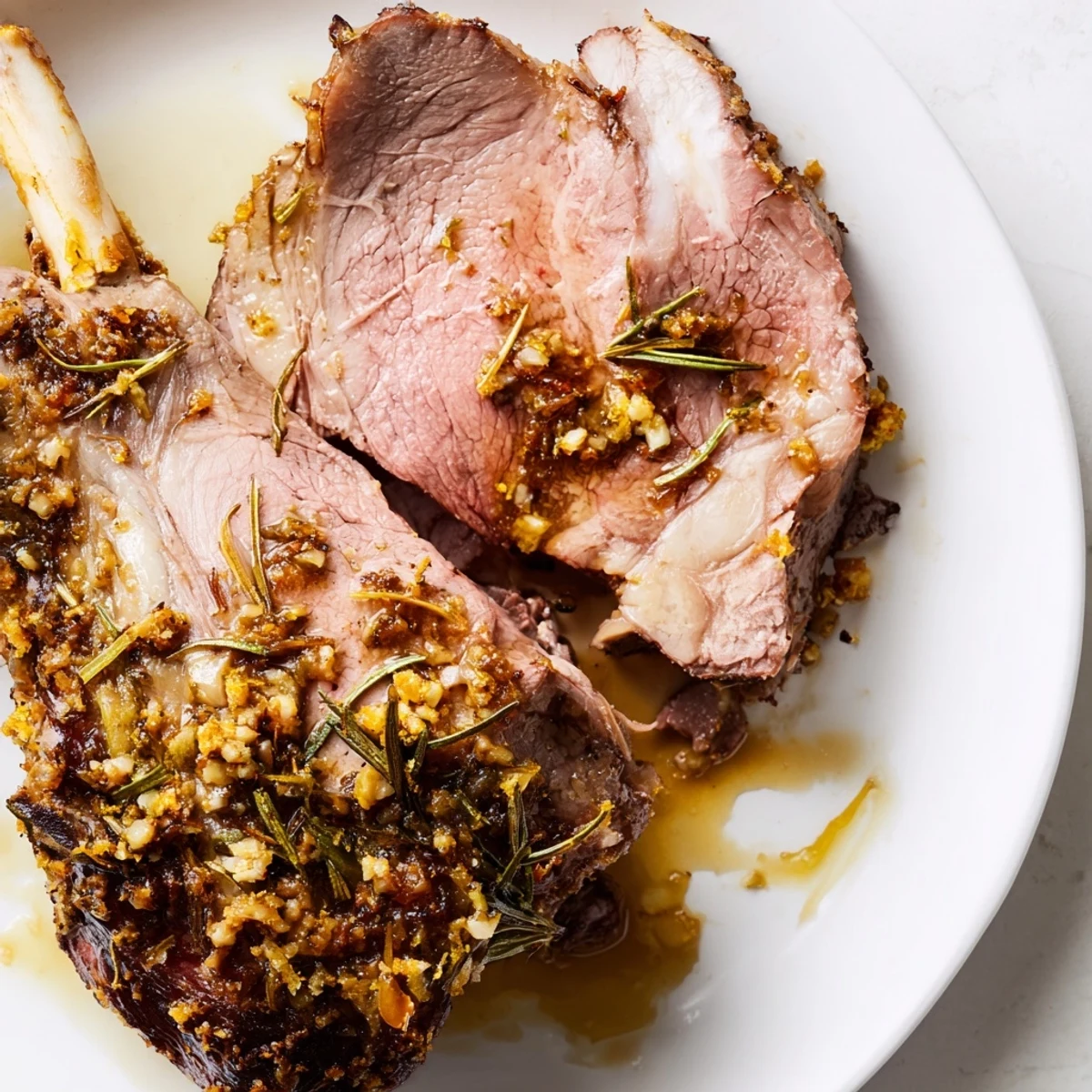
Save This dish features a bone-in leg of lamb coated in a savory anchovy and rosemary paste. The lamb is scored and rubbed with a mixture including garlic, thyme, lemon zest, and olive oil before roasting. Slow roasting at two temperatures yields tender, juicy meat complemented by pan juices reduced with wine and stock. Ideal for special meals, the rich herb and anchovy flavor melds beautifully with the lamb’s natural succulence, creating a memorable centerpiece.
Years ago, a friend brought a leg of lamb to a dinner party, and I watched as she massaged this dark, pungent paste into the meat—anchovies, rosemary, garlic—and I remember thinking it sounded completely wrong. When it came out of the oven, the kitchen smelled like a Mediterranean coast I'd never visited, and one bite silenced every doubt. Now I make it whenever I want to feel both sophisticated and completely at ease in my own kitchen.
I made this for my sister's birthday once, and she was so shocked that something so restaurant-quality came from my kitchen that she made me promise to teach her. We spent the afternoon talking while the lamb roasted, and the smell gradually filled the house until there was nothing else to think about but how hungry we were getting. That's when I realized this dish is as much about the ritual as it is the meat.
Ingredients
- Bone-in leg of lamb (2.5–3 kg): The bone conducts heat and adds incredible flavor to the pan juices—ask your butcher to trim it lightly but leave enough fat to protect the meat.
- Anchovy fillets: Six fillets sounds bold, but they dissolve into the fat and become the quiet backbone of the whole dish; use good quality ones packed in oil.
- Fresh rosemary and thyme: These are non-negotiable—dried won't give you the same brightness and aromatic punch against the richness of the meat.
- Garlic and lemon zest: Together they cut through the richness and keep every bite from feeling heavy.
- Coarse sea salt: Applied just before roasting, it stays distinct and adds texture instead of dissolving into the rub.
- White wine and stock: These become a pan sauce that tastes like you've been cooking all day.
Instructions
- Dry your lamb thoroughly:
- Pat it completely dry with paper towels—this is the only step between you and a golden crust. Any moisture will steam instead of brown, and that's the difference between good and unforgettable.
- Create pockets for the paste:
- Make deep slits all over the lamb with a sharp knife, angling the blade to create little cavities. These slits let the anchovy-rosemary rub penetrate deep into the meat instead of just sitting on the surface.
- Build your savory paste:
- Finely chop the anchovies and garlic so they distribute evenly, then mix with the herbs, lemon zest, pepper, and olive oil. You want something between a rough paste and a loose mixture—wet enough to coat, thick enough to cling.
- Massage the rub in generously:
- Work the paste all over the lamb, pushing it into every slit and crevice. Don't be shy; your hands are the best tool, and the lamb won't judge your technique.
- Season boldly with sea salt:
- Sprinkle the coarse salt evenly over the entire surface right before it goes into the oven. The grains will toast slightly and stay distinct, adding a textural contrast to each bite.
- Start hot, then lower the heat:
- The initial 220°C (425°F) for 20 minutes sears the outside and locks in flavor; then dropping to 180°C (350°F) gently cooks the interior without drying it out. This two-stage approach is what gives you that restaurant-quality pink center.
- Trust the meat thermometer:
- An instant-read thermometer inserted into the thickest part (but not touching bone) at 57°C (135°F) means medium-rare. The meat will coast upward a few degrees while it rests, so don't overcook.
- Rest like you mean it:
- Twenty minutes under a loose tent of foil sounds like a long time, but it's when the fibers relax and reabsorb all those beautiful juices. Skip this and they'll run all over your cutting board.
 Save
Save I once invited people who said they didn't like anchovies, and they devoured this lamb without question. That's the moment I understood that cooking is partly about building trust—showing people that your instincts are worth following, even when they sound strange at first.
Why the Rub Matters So Much
The anchovy-rosemary rub is everything in this dish—it's where complexity lives. The anchovies contribute umami depth and saltiness, the rosemary brings that piney Mediterranean warmth, and the garlic ties it all together into something that tastes like you've been thinking about this meal for weeks. This isn't a lamb recipe that happens to include anchovies; it's a recipe built entirely around their presence.
The Pan Juices Are Not Optional
After the lamb rests, those pan juices are liquid gold—they've captured everything that dripped from the meat, mingled with the wine, and developed a flavor that's nothing like store-bought gravy. Skim off the excess fat if you want, but leave enough to carry the flavor, then let it reduce slightly over medium heat while you carve. Pour it over every slice.
Building a Complete Meal
This lamb sings on its own, but it also plays beautifully with others. Roasted potatoes and carrots added to the pan in the last 40 minutes will cook in the lamb's fat and soak up all that savory richness. A simple green salad with lemon vinaigrette cuts through the richness, and good bread is non-negotiable for soaking up every last drop of sauce.
- Halve baby potatoes and add them with 40 minutes of cooking time remaining so they're golden and tender.
- Carrots and shallots go in at the same time and will caramelize beautifully around the meat.
- Save any leftovers for shredded lamb sandwiches the next day—they're even better than the original meal.
 Save
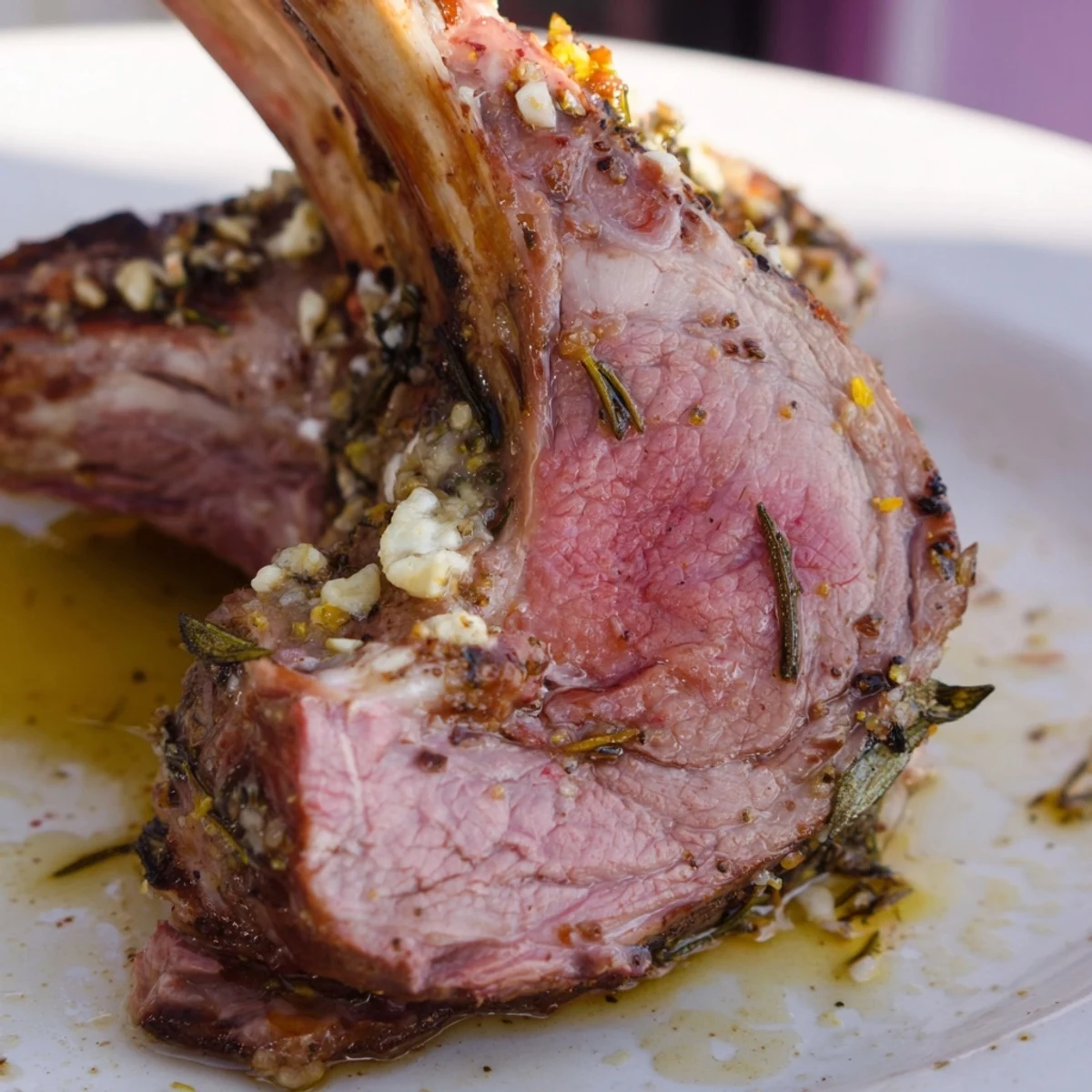
Save This lamb has become my go-to whenever I want to impress without stress. It's the kind of dish that makes people feel celebrated and fed at the deepest level.
Common Questions
- → How do the anchovies affect the flavor?
-
Anchovies add a subtle umami depth without a fishy taste, enhancing the lamb's natural richness and complementing the herbs.
- → What is the purpose of scoring the lamb?
-
Scoring allows the herb and anchovy rub to penetrate deeper into the meat, infusing flavors and ensuring even cooking.
- → Can I substitute the white wine in the pan juices?
-
Yes, dry white wine adds acidity and aroma, but you can replace it with extra stock or a splash of vinegar for similar depth.
- → How should the lamb rest after roasting?
-
Resting the lamb tented in foil for about 20 minutes lets the juices redistribute, keeping the meat moist and tender when carved.
- → What side ingredients enhance the dish?
-
Add roasted potatoes, carrots, or shallots to the pan for a one-pan meal rich in complementary textures and flavors.