
 Save
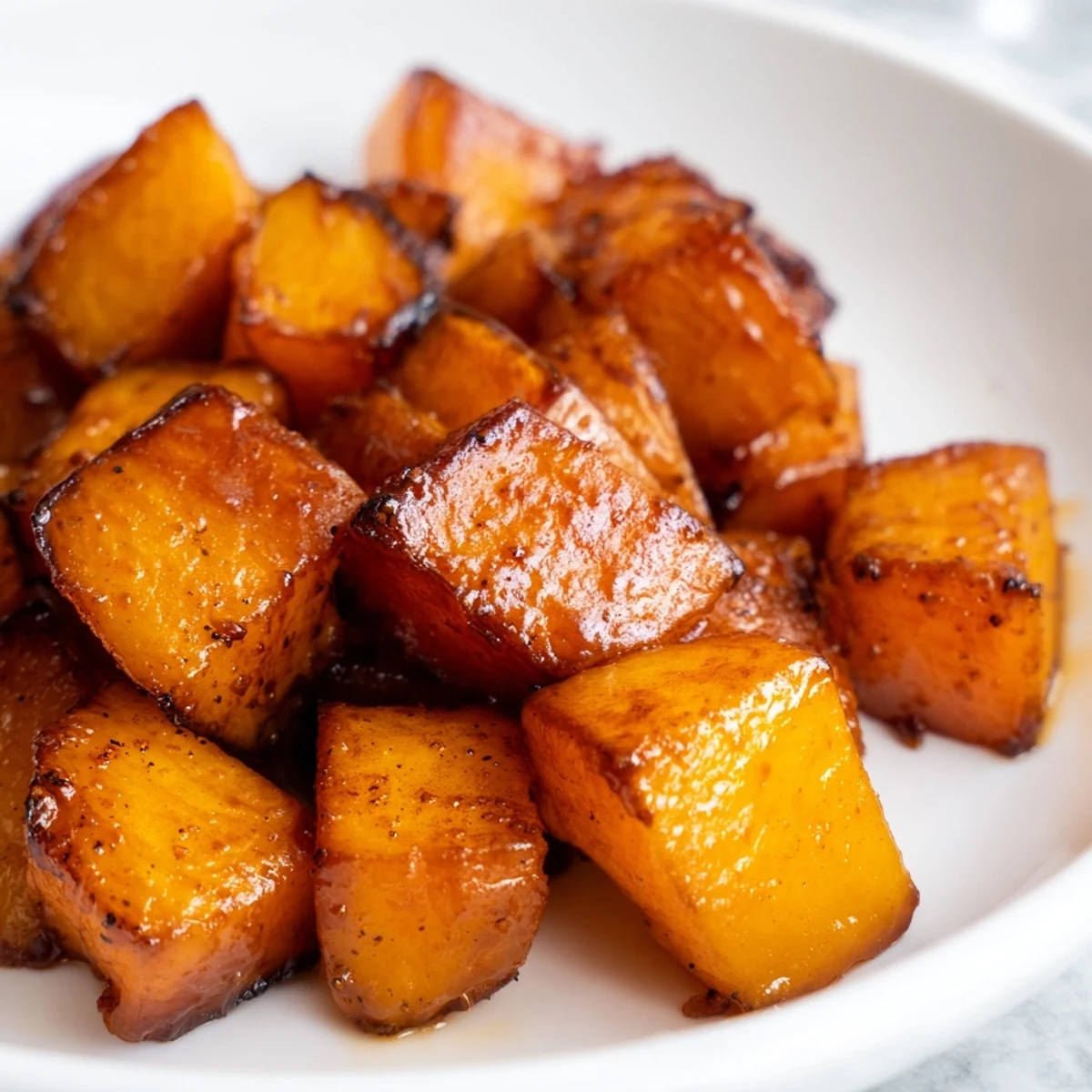
Save This dish highlights tender butternut squash cubes roasted to golden perfection with brown sugar, olive oil, and warm spices like cinnamon and nutmeg. The result is a sweet and savory side that pairs beautifully with poultry or pork. Simple steps include tossing squash with the seasoning blend and roasting it until caramelized and tender, making it an easy addition to any meal.
There's something about autumn that makes me crave roasted squash, though honestly, I stumbled into this recipe by accident one October when I had a butternut squash sitting on my counter and brown sugar in the pantry. I wasn't aiming for anything fancy—just wanted something warm and slightly sweet to go alongside roasted chicken—but the way the brown sugar caramelizes in the oven created this golden crust that made the whole kitchen smell like cinnamon and comfort. My partner walked in halfway through cooking and asked what smelled so good, and I realized I'd found something simple that somehow feels special.
I made this for a small dinner party once and set it down on the table expecting it to be a quiet accompaniment to the main course. Instead, it became the thing everyone asked about—one guest actually asked if I'd added honey or maple syrup because the sweetness felt so natural and not forced. That moment taught me that simplicity, when done right, has a way of standing out.
Ingredients
- Butternut squash: One medium one (about 2 pounds) gives you perfect portion-sized cubes; smaller squash cook unevenly, and larger ones can be watery, so medium is genuinely the sweet spot.
- Brown sugar: Use the packed kind—don't skip packing it down into your measuring spoon because loose brown sugar measures differently and you'll miss that deep caramel flavor.
- Olive oil: This helps everything brown properly and keeps the squash from drying out; don't skimp or substitute with something with a higher smoke point here.
- Cinnamon: Ground cinnamon blooms in the oven heat and becomes almost floral; fresh spice from a jar you've had for two years actually matters.
- Nutmeg: Just a quarter teaspoon—this isn't the star, but it whispers in the background and makes people wonder what's making this taste so layered.
- Sea salt and black pepper: These aren't afterthoughts; they balance the sweetness and prevent the squash from tasting one-dimensional.
Instructions
- Get your oven ready:
- Heat to 400°F and line your baking sheet with parchment paper so nothing sticks and cleanup becomes almost laughable. This temperature is hot enough to caramelize but not so hot that the outside burns before the inside softens.
- Season as you go:
- Combine your squash cubes with oil, brown sugar, cinnamon, nutmeg, salt, and pepper in a bowl and toss until every piece is coated in that sweet, spiced mixture. The goal is even coverage so no piece feels neglected.
- Spread and roast:
- Lay everything in a single layer on your prepared sheet and slide it into the oven. Stir halfway through the 30 to 35 minute roast so the pieces on the edges don't get too dark while the center ones lag behind.
- Finish and serve:
- Pull the squash out when it's golden brown with slightly crispy edges and completely tender when you pierce it with a fork. Serve it hot, right out of the oven when the aroma is still filling the room.
 Save
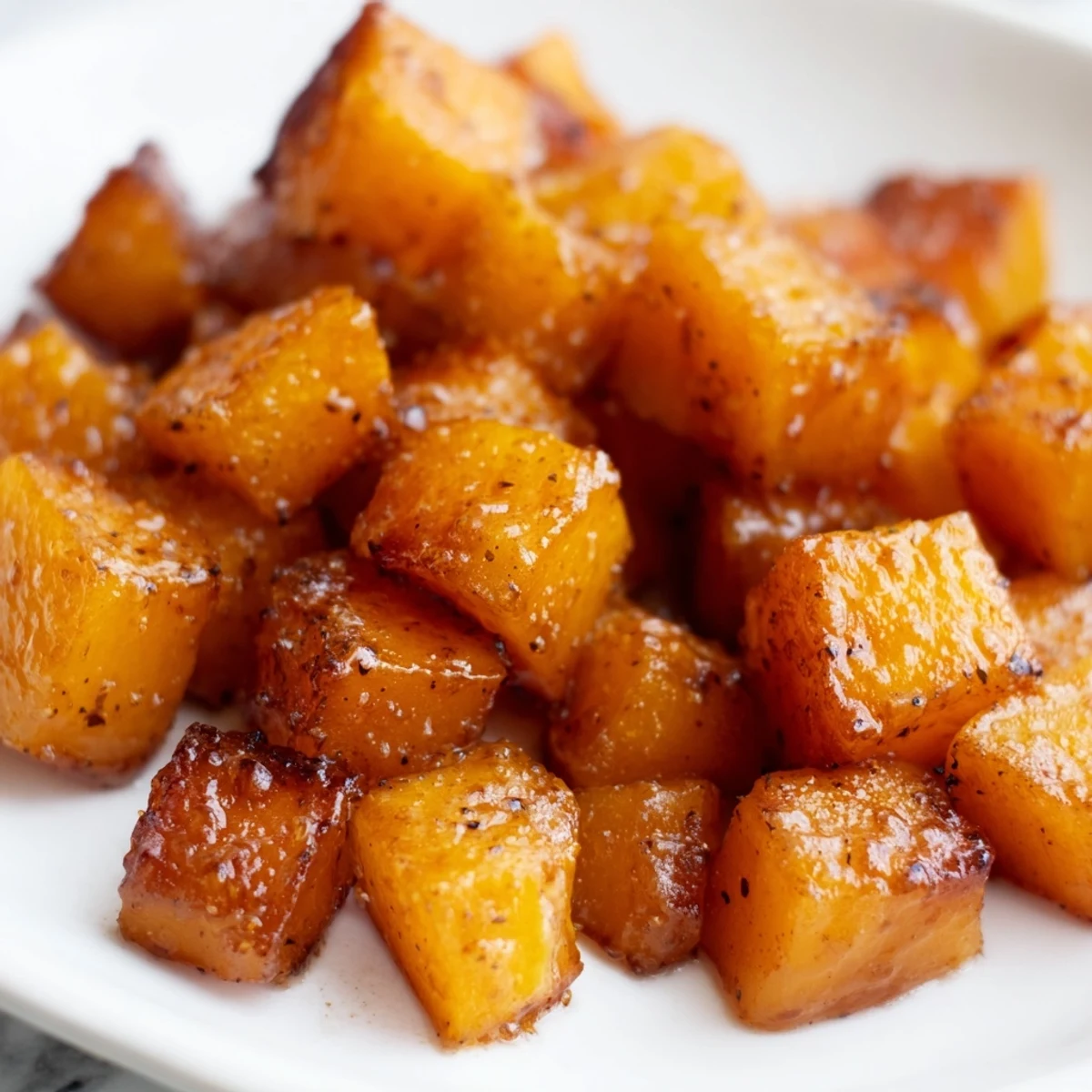
Save I remember bringing this to a potluck where everyone showed up with elaborate casseroles and complicated sides, and somehow my simple roasted squash disappeared first. It wasn't about technique or fancy ingredients—it was just honest food that tasted like someone cared enough to get the basics right.
The Magic of Caramelization
Caramelization happens when sugar and heat meet, and the oven creates an environment where the brown sugar on the squash's surface breaks down and browns instead of just melting. The key is that single layer on the baking sheet—crowding it steams the squash instead of roasting it, and steamed squash is pale and mushy rather than golden and caramelized. I learned this the hard way after trying to roast a double batch on one sheet and wondering why half of it looked like it had been boiled.
Building Warmth with Spices
Cinnamon and nutmeg aren't just autumn flavors—they're warming spices that complement the natural sweetness of squash without competing with it. The cinnamon brings brightness and a hint of spice, while the nutmeg adds earthiness and depth that makes people pause and ask what gives it that complex flavor. Together they transform what could be a simple sweet side into something that feels intentional and thoughtful.
Variations Worth Trying
Once you've made this version a few times, you'll start seeing possibilities everywhere. I've experimented with maple syrup instead of brown sugar, which creates a different kind of sweetness that feels more delicate, and I've added a tiny pinch of cayenne pepper for a subtle heat that catches you by surprise. Some nights I skip the extra garnish, but other times I finish it with a sprinkle of fresh thyme or sage that adds a savory note.
- A pinch of cayenne pepper adds gentle heat that complements the sweetness without overwhelming it.
- Swap brown sugar for maple syrup if you want a lighter, more delicate caramel flavor.
- Fresh herbs like thyme or rosemary scattered over the top transform it into something completely different.
 Save
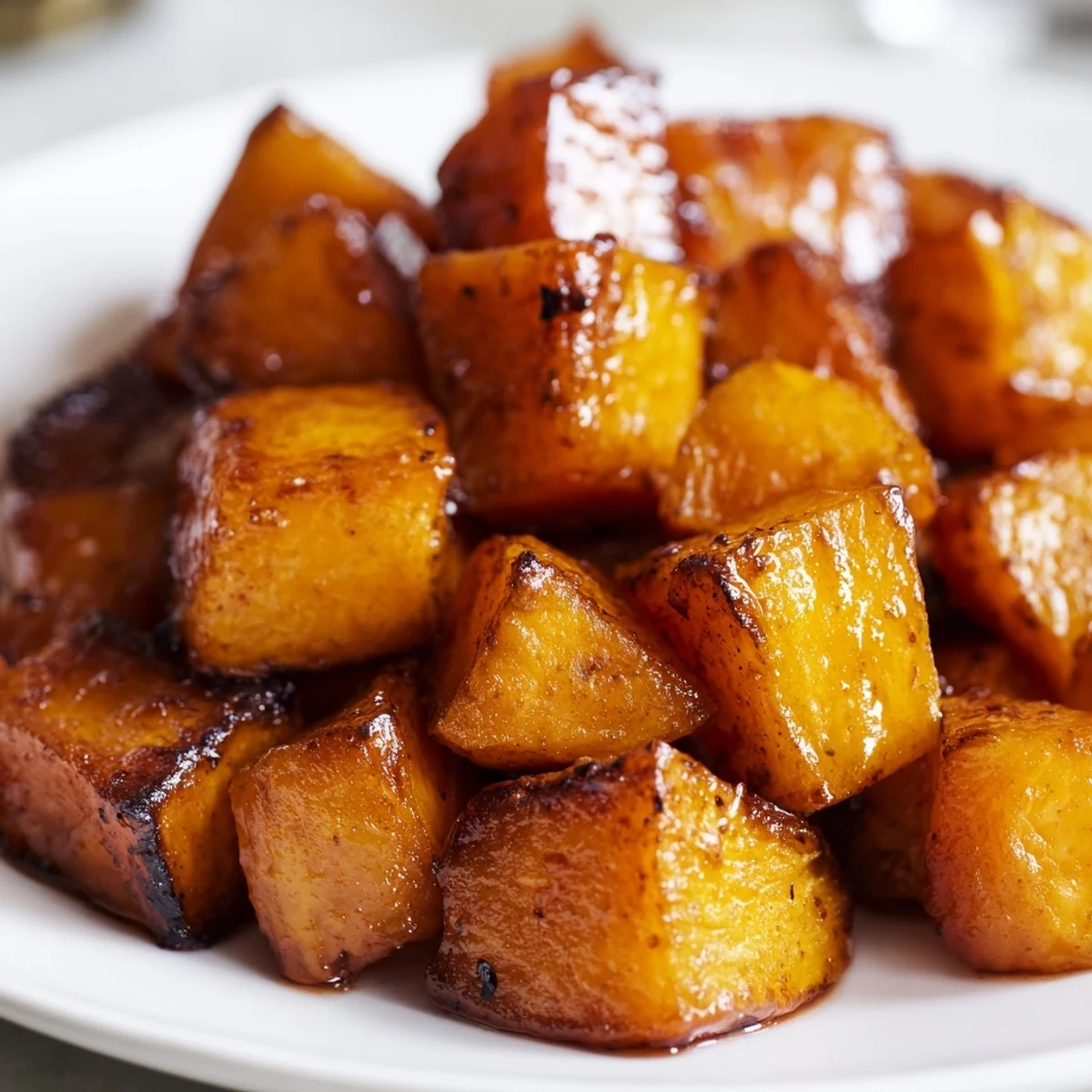
Save This recipe became a regular on my dinner table not because it's complicated or impressive, but because it works every single time and makes the house smell incredible. Serve it hot alongside whatever protein you're making, and watch how something so simple becomes the thing people remember most.
Common Questions
- → What type of squash is best for roasting with brown sugar?
-
Butternut squash is ideal due to its sweetness and firm texture that holds well during roasting.
- → Can I substitute brown sugar with another sweetener?
-
Yes, maple syrup makes a great alternative that adds a slightly different but complementary sweetness.
- → How do warm spices like cinnamon and nutmeg contribute to this dish?
-
They enhance the natural sweetness of the squash, adding depth and a comforting aroma to the flavor profile.
- → What is the recommended roasting temperature and time?
-
Roast at 400°F (200°C) for 30-35 minutes, stirring halfway through for even caramelization and tenderness.
- → Can this dish be made gluten-free and vegetarian?
-
Yes, it contains no gluten or animal products, fitting both gluten-free and vegetarian diets.