
 Save
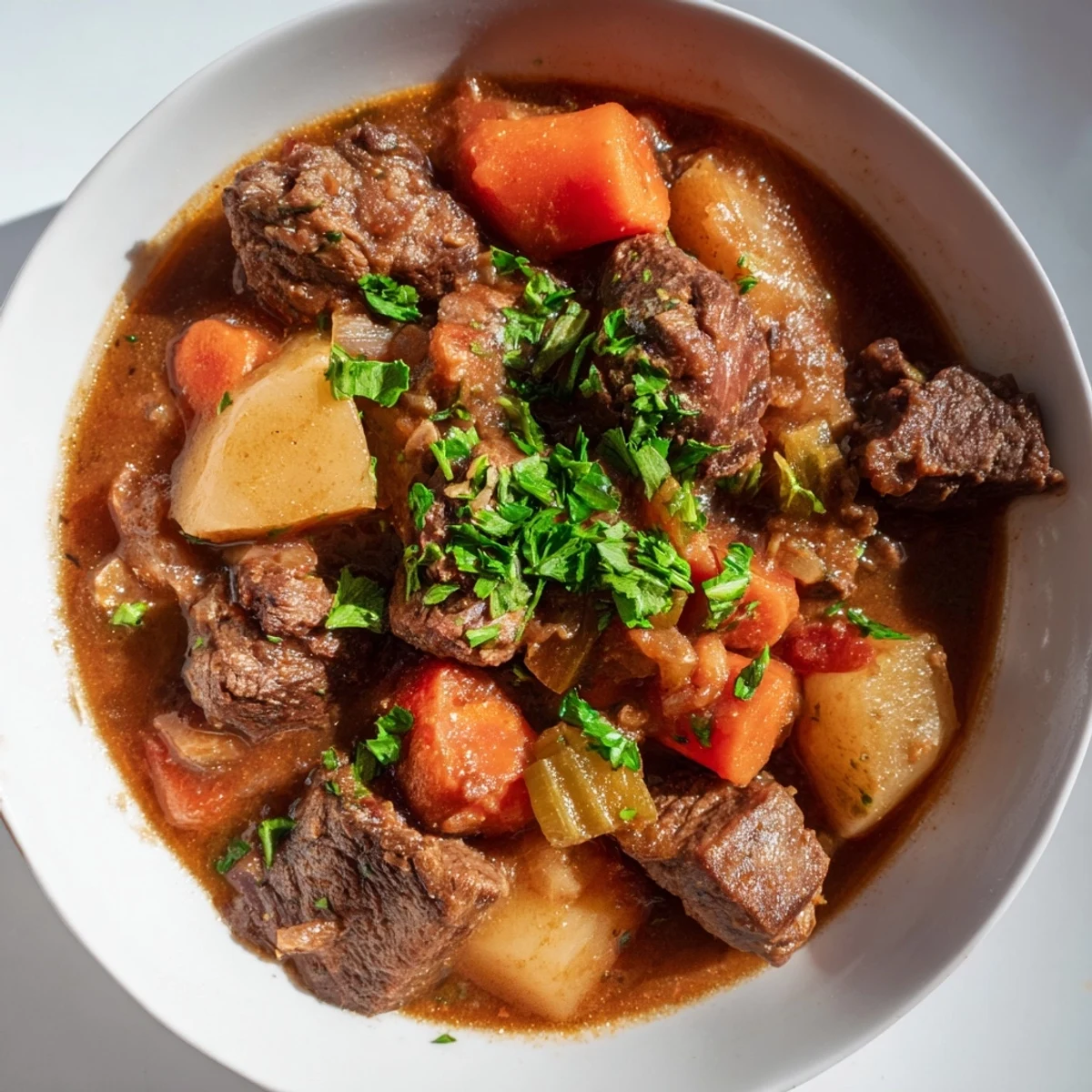
Save This comforting slow cooker dish features tender beef chunks combined with carrots, potatoes, celery, and aromatic herbs. Layers of flavor develop as the ingredients gently simmer for hours. A cornstarch slurry thickens the sauce to create a rich, hearty texture. Perfect for an easy, wholesome meal that melts in your mouth.
Optional red wine adds depth, while fresh parsley brings brightness to the finishing touch. Serve warm with crusty bread or mashed potatoes for a satisfying dish.
There's something almost magical about coming home to the smell of beef stew that's been simmering all day—it fills the house with this warm, savory promise that dinner is already waiting. My first slow cooker stew happened by accident when I bought this kitchen workhorse on a whim, unsure if I'd actually use it, and decided to test it out on a Sunday when I had nowhere to be. Eight hours later, I pulled off the lid to find beef so tender it fell apart on the spoon, and I realized I'd discovered my favorite way to cook.
I made this for a dinner party once without telling anyone it was slow cooker stew, and someone genuinely asked if I'd been cooking since morning—their surprise when I admitted it was only browned at the start made the whole evening. That moment taught me that slow-cooked food carries a kind of credibility that comes straight from the depth of flavor, not the hours of attention.
Ingredients
- Beef chuck, cut into 1-inch cubes (2 lbs): Chuck is forgiving and becomes impossibly tender during the long, slow braise—avoid leaner cuts that can dry out.
- Carrots, peeled and sliced (4 large): They add natural sweetness and body to the broth, and they break down just enough to thicken everything without falling apart completely.
- Potatoes, peeled and cubed (3 medium): Waxy potatoes hold their shape better than starchy ones, so they don't turn to mush.
- Celery stalks, sliced (2): This is your flavor foundation—don't skip it even though some people think it disappears.
- Onion, chopped (1 large) and garlic, minced (3 cloves): These are the aromatics that transform everything, building layers of depth as they cook down.
- Beef broth (3 cups): Use good quality broth—it's the base of everything, and thin or salty broth will show up in the final result.
- Dry red wine, optional (1 cup): If you use it, pick something you'd actually drink; cheap wine makes cheap-tasting stew.
- Tomato paste (2 tbsp): This adds umami and body without making the stew taste tomato-forward.
- Salt (2 tsp), black pepper (1 tsp), dried thyme and rosemary (1 tsp each), and bay leaves (2): These herbs work together to build a classic, earthy flavor profile that lets the beef shine.
- Cornstarch slurry (2 tbsp cornstarch mixed with 2 tbsp cold water): This creates that luxurious thick broth without using flour, keeping things gluten-free.
- Fresh parsley, chopped (2 tbsp, optional): A sprinkle at the end brightens everything and makes it look intentional.
Instructions
- Brown the beef properly:
- Heat your skillet until it's almost smoking, then work in batches so the meat actually sears instead of steaming—you want that dark golden crust that holds all the flavor. Don't rush this step; those three or four minutes per batch matter more than you'd think.
- Build your slow cooker base:
- Pile in the carrots, potatoes, celery, onion, and garlic directly on top of the browned beef—no pre-cooking needed. The vegetables will soften together while they flavor the broth.
- Make the braising liquid:
- Whisk together your broth, wine if using, tomato paste, salt, pepper, thyme, rosemary, and bay leaves in a bowl before pouring—this prevents the tomato paste from clumping and ensures even seasoning. Pour it all over the meat and vegetables.
- Set it and forget it:
- Give everything one gentle stir, cover the slow cooker, and cook on low for eight hours (or high for four to five hours if you're pressed for time). The beef should be fork-tender and the broth deep and flavorful.
- Thicken at the end:
- About thirty minutes before serving, stir together cornstarch and cold water until smooth, then stir it into the stew—this transforms the broth from thin to silky without any flour taste. Cook on high for that final thirty minutes so it sets up properly.
- Finish with intention:
- Remove the bay leaves, taste and adjust the salt and pepper, then shower everything with fresh parsley right before serving.
 Save
Save I've served this stew on winter nights when the weather outside was so cold that sitting down to a bowl of it felt like the most thoughtful thing I could do for myself and the people around me. That's when I understood that food comfort isn't just about taste—it's about the moment, the warmth, and knowing someone cared enough to fill your house with that smell.
Choosing Your Beef
Chuck roast is your best friend here because it's marbled with fat and connective tissue that breaks down into gelatin during the long cook, creating that silky, luxurious broth that makes people close their eyes when they eat. I learned this the hard way by trying sirloin once—it cooked fine but stayed a bit tough and the broth never had that same body. The fattier, tougher cuts are what slow cooking was invented for.
Playing with the Vegetables
The vegetable combination I've given you is the tried-and-true version, but there's room to explore here—parsnips add a subtle sweetness, rutabaga brings earthiness, and mushrooms can make the whole thing feel more sophisticated. Once the basics are solid, try swapping one vegetable each time you make it to find your favorite version. Just remember that delicate vegetables like zucchini or spinach fall apart if they cook the full eight hours, so save those for the last hour if you want to use them.
Wine, Worcestershire, and Other Flavor Layers
The red wine is optional but honestly worth using—it adds a subtle depth that changes the whole vibe of the stew. If you want to push the flavor even further, a splash of Worcestershire sauce adds this subtle umami that you can't quite identify but makes everything more complex, and a pinch of smoked paprika can shift the whole thing in a different direction if you're feeling adventurous. These aren't required, but they're the little tweaks that separate your signature stew from everyone else's.
- If using wine, choose something robust like a Cabernet Sauvignon or Merlot that you'd actually enjoy drinking.
- Add Worcestershire or smoked paprika during the last hour so you can taste and adjust before serving.
- Fresh thyme instead of dried makes a noticeable difference if you can get it, but dried works perfectly fine.
 Save
Save This stew has a way of becoming the dish you reach for when you want to feel taken care of, whether that's cooking it for yourself or someone else. There's something deeply satisfying about knowing that before you even finish breakfast, dinner is already almost ready.
Common Questions
- → How do I ensure the beef is tender?
-
Browning the beef cubes before slow cooking seals in juices. Cooking on low heat for 8 hours allows the meat to become melt-in-your-mouth tender.
- → Can I substitute vegetables in this dish?
-
Yes, you can replace carrots or potatoes with sweet potatoes or parsnips for a different flavor and texture.
- → Is it necessary to use wine in the cooking liquid?
-
Wine adds depth but can be replaced entirely with beef broth without impacting the overall richness significantly.
- → How is the sauce thickened?
-
A mixture of cornstarch and cold water is stirred in near the end of cooking to create a glossy and thickened sauce.
- → What herbs enhance the flavor?
-
Dried thyme, rosemary, and bay leaves infuse the dish with aromatic notes that complement the beef and vegetables.
- → Can this dish be prepared ahead of time?
-
It develops even richer flavors when cooked ahead and reheated gently before serving.