
 Save
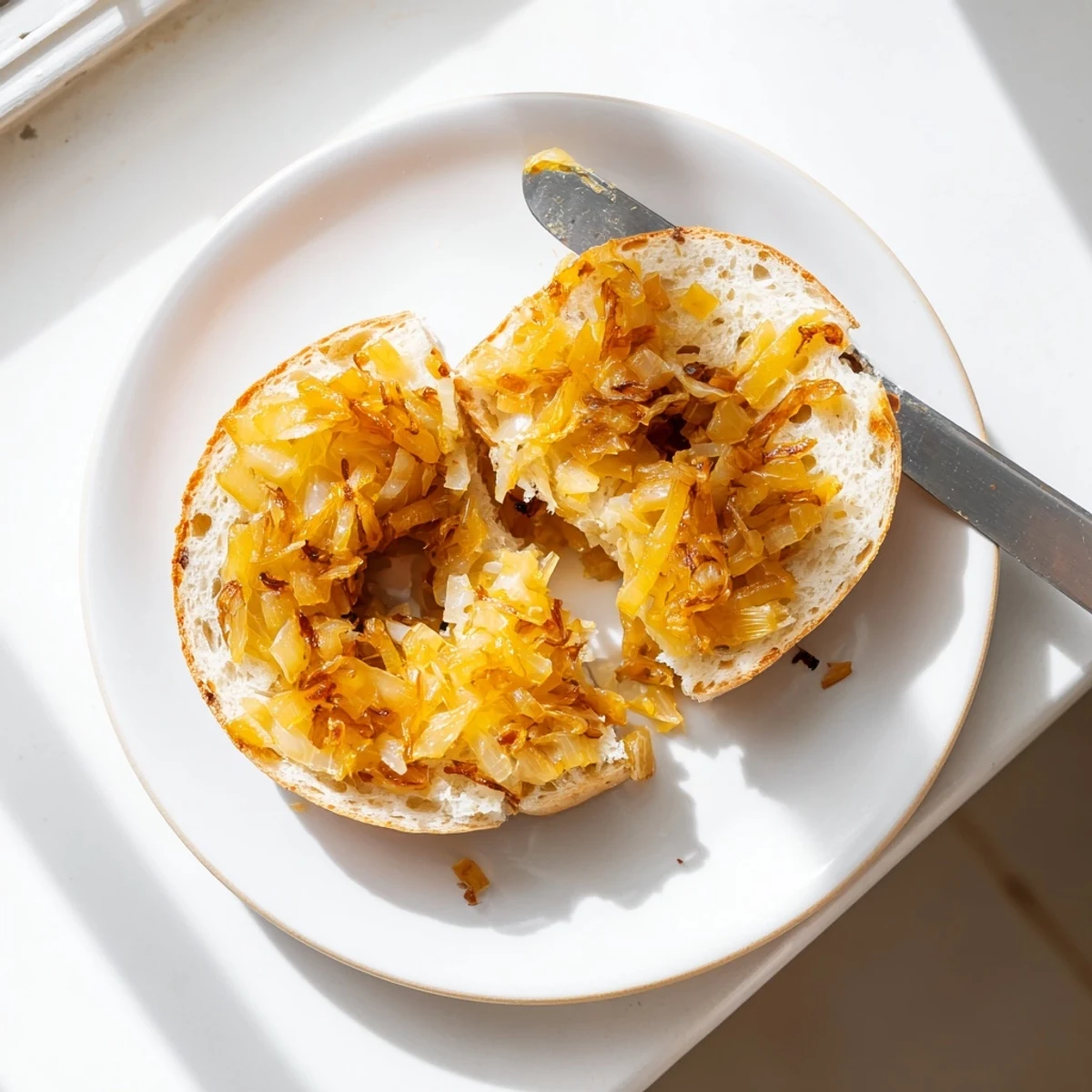
Save These sourdough onion bagels deliver the perfect combination of chewy texture and tangy flavor, enhanced by the natural sweetness of caramelized onions. The overnight fermentation develops complex flavor while creating that signature bakery-style crust and tender interior. Each batch yields eight golden bagels that freeze beautifully, making them ideal for meal prep or weekend baking sessions.
The process involves caramelizing onions until deeply golden, preparing an active sourdough dough, shaping, and an overnight cold proof. A quick boil in malted water creates the shiny, distinctive bagel crust before baking to perfection.
The first time I made sourdough bagels, my kitchen smelled like a bakery at dawn. That incredible aroma of caramelized onions mingling with fermenting dough made me realize why this process is worth every hour. These bagels became my weekend project before the sun even came up.
I served these at a brunch last spring, and my friend Sarah actually stopped mid conversation after her first bite. Thats the moment I knew this recipe was something special.
Ingredients
- Active sourdough starter: This living ingredient creates unmatched depth and natural preservative qualities that keep bagels fresh longer
- Bread flour: Higher protein content develops the gluten structure needed for that signature bagel chew
- Whole wheat flour: Adds nutty complexity and helps the fermentation along
- Honey: Feeds the wild yeast while contributing subtle sweetness to the crumb
- Fine sea salt: Enhances flavor and strengthens gluten formation
- Yellow onion: Slow cooking unlocks natural sugars creating an almost jam like topping
- Barley malt syrup: Professional bagel shops secret for that glossy mahogany crust
Instructions
- Caramelize the onions:
- Let them cook slowly until they turn deep golden brown, stirring occasionally to prevent burning
- Mix the dough base:
- Combine starter, water, and honey until fully dissolved, then add both flours and salt
- Knead to develop:
- Work the dough for 8 to 10 minutes until it feels smooth and bounces back when pressed
- First rise:
- Let the dough rest covered for 4 to 6 hours until it has doubled in size
- Shape into rounds:
- Divide into 8 pieces, form tight balls, then create holes with your finger
- Proof and chill:
- Let them rest for 1 hour at room temperature before refrigerating overnight
- Preheat and prepare water bath:
- Heat your oven and bring water to a gentle boil with malt syrup or honey
- Boil for chew:
- Cook each bagel for 45 seconds per side until they float with purpose
- Top and bake:
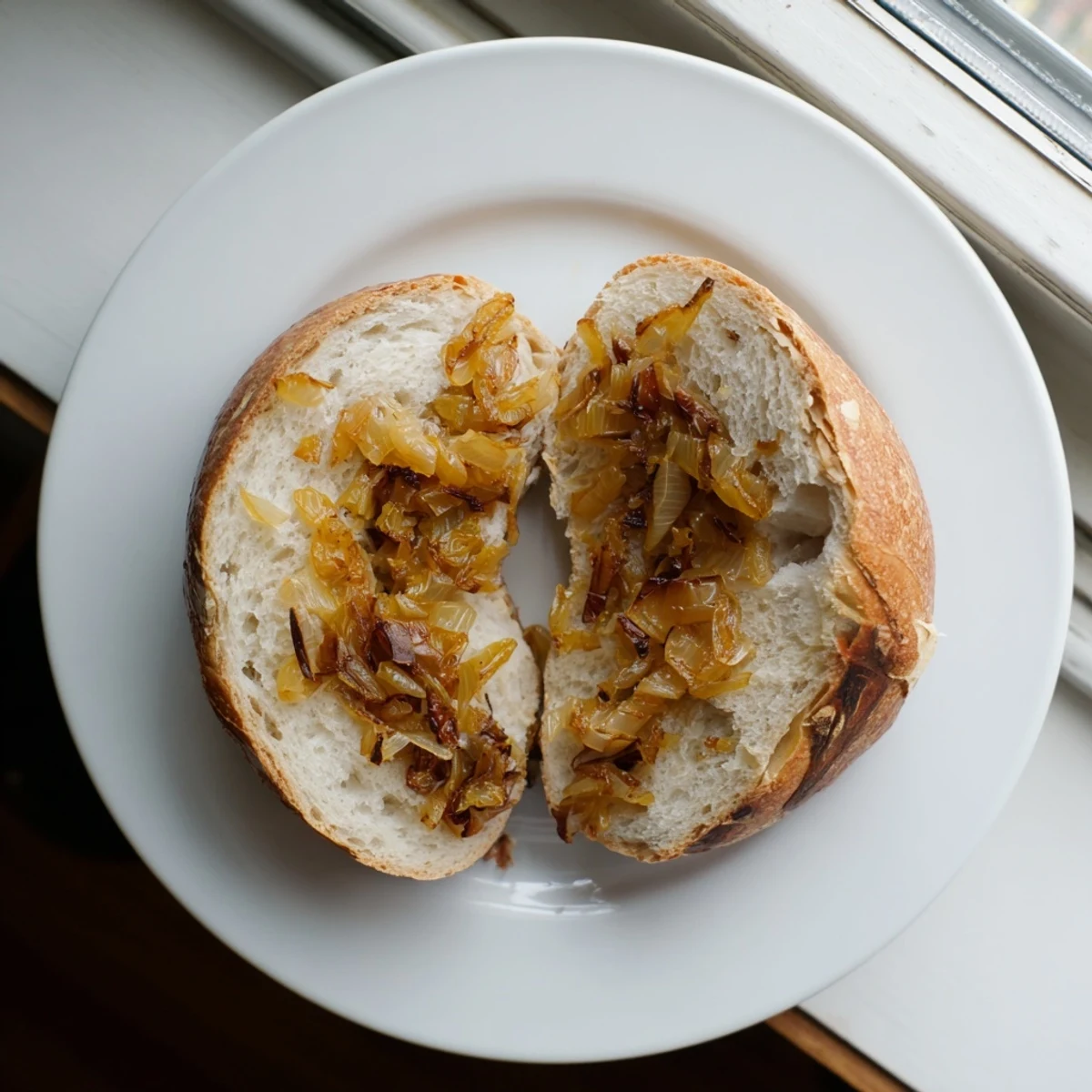
- Press cooled onions into each bagel then bake until deeply golden
 Save
Save These bagels have become part of my Sunday morning ritual. Theres something deeply satisfying about pulling them from the oven while the house is still quiet.
The Science Behind the Boil
The boiling step gelatinizes the surface starch creating that distinctive shiny crust. Skipping this step results in bread shaped objects, not true bagels.
Sourdough Timing
Your starter should be at peak activity, bubbling vigorously and doubled in size. Using a sluggish starter will make dense disappointing bagels.
Making Them Ahead
Freeze cooled bagels sliced for instant breakfast. They toast beautifully from frozen, tasting almost better than fresh.
- Slice before freezing for easy toasting
- Wrap individually to prevent freezer burn
- Thaw briefly or toast straight from frozen
 Save
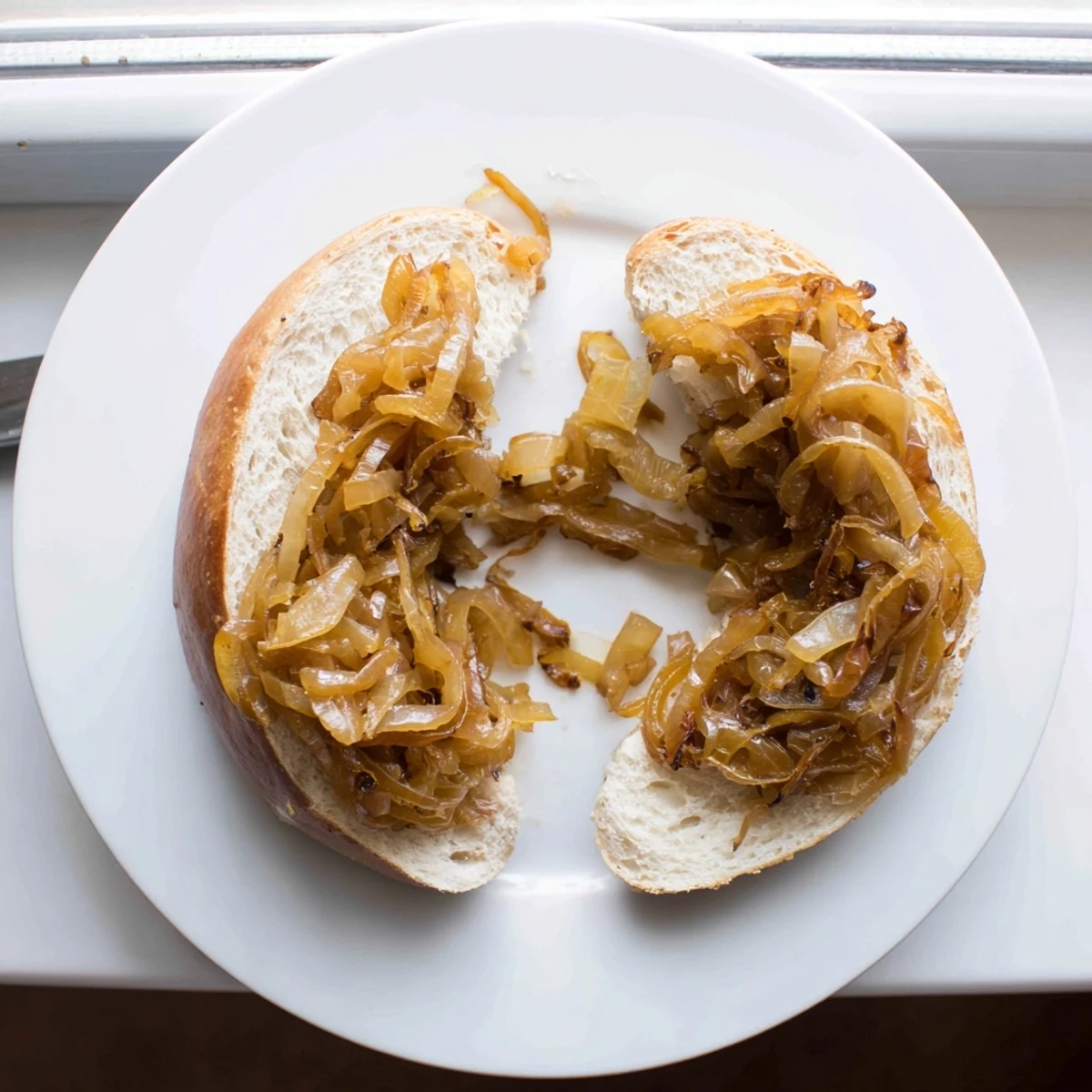
Save Theres nothing quite like a warm bagel fresh from your own oven. Happy baking.
Common Questions
- → What makes sourdough bagels different from regular bagels?
-
Sourdough bagels use natural fermentation instead of commercial yeast, resulting in deeper flavor complexity, better digestibility, and a distinctive tangy taste. The longer fermentation also develops a chewier texture and glossy crust that many prefer over traditional versions.
- → Can I skip the overnight refrigeration?
-
The overnight rest develops flavor and improves texture significantly. However, you can proof at room temperature for 2-3 hours until puffy, then proceed directly to boiling and baking. The flavor will be simpler and texture slightly less chewy without the cold fermentation period.
- → Why do bagels need to be boiled before baking?
-
Boiling gelatinizes the surface starch, creating that signature shiny, chewy exterior. The barley malt syrup or honey adds color and enhances crust flavor. Without this step, you'd have ordinary dinner rolls rather than authentic bagels with their distinctive dense, chewy texture.
- → How should I store these bagels?
-
Keep at room temperature for up to 2 days in a paper bag. For longer storage, slice and freeze in airtight bags for up to 1 month. Toast straight from frozen—no need to thaw first. Refrigeration tends to make them stale faster due to moisture loss.
- → Can I use active dry yeast instead of sourdough starter?
-
You can substitute 2¼ teaspoons instant yeast for the starter, reducing water by 50ml. Rise times will be much faster—about 1-2 hours total. However, you'll lose the characteristic tangy flavor and extended shelf life that natural fermentation provides.
- → What toppings work well with caramelized onion bagels?
-
Cream cheese is classic, especially whipped with fresh chives or herbs. These also pair beautifully with smoked salmon, capers, and dill. For a warm option, try melting sharp cheddar or adding a fried egg. The savory onion flavor complements both rich and fresh toppings equally well.