
 Save
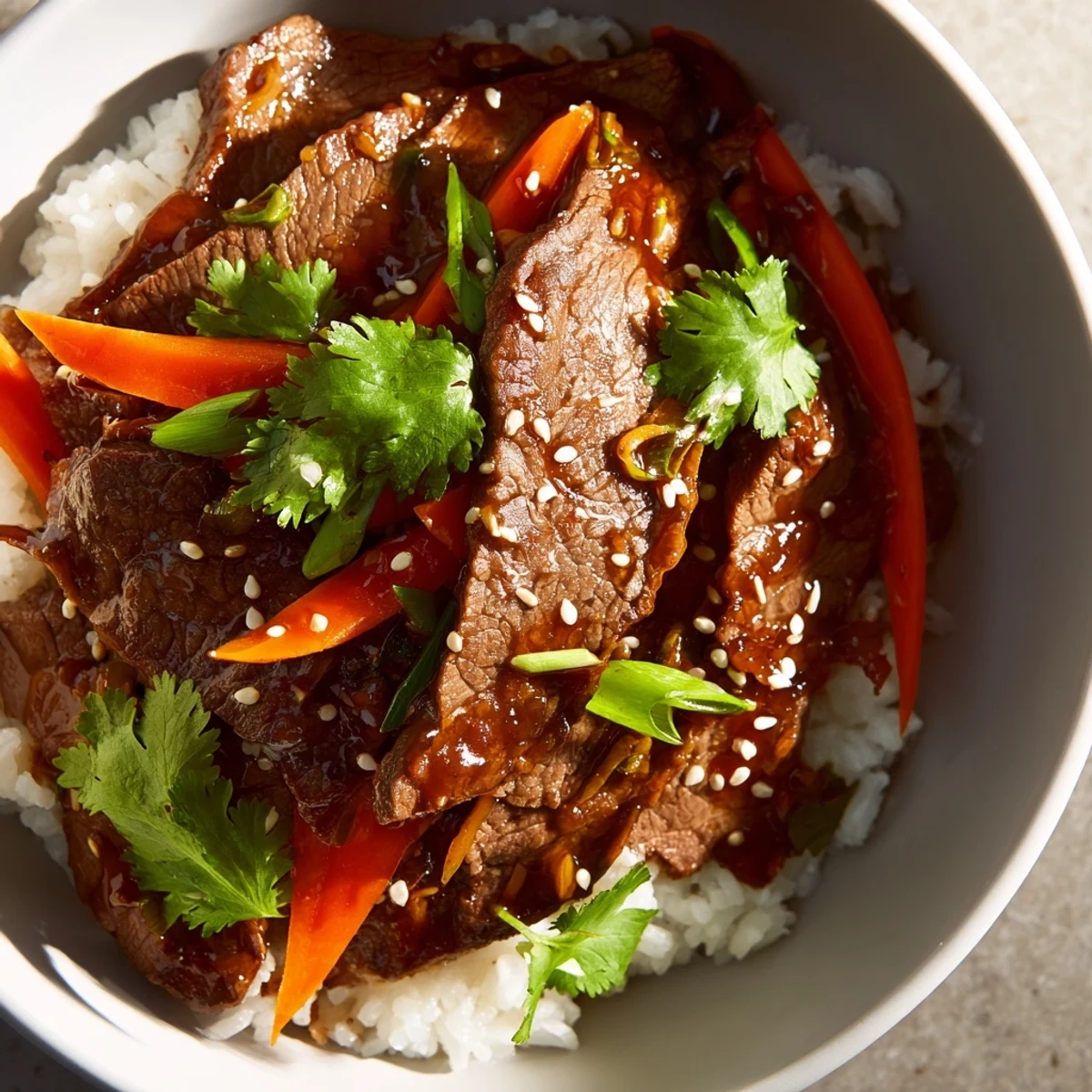
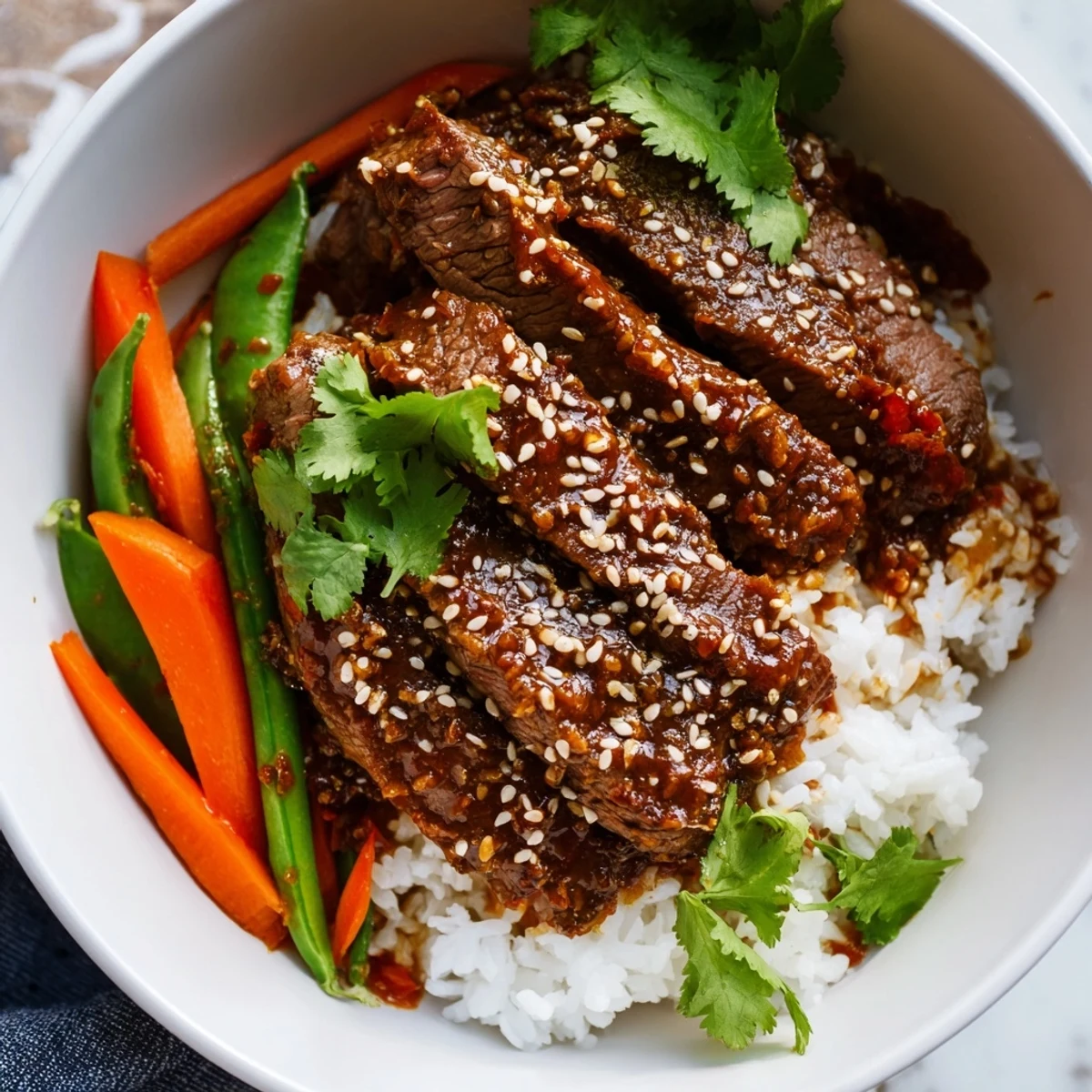
Save This dish features tender beef strips coated lightly and quickly cooked to retain juiciness. They're tossed in a flavorful, spicy sauce combining soy, sriracha, and aromatic ingredients like garlic and ginger. Crisp vegetables such as bell peppers, snap peas, and carrots are stir-fried just until tender to preserve their freshness and crunch. Served over fragrant jasmine or basmati rice, this dish balances savory heat with sweet and tangy notes for a quick, satisfying meal. Garnished with sesame seeds and fresh herbs, it’s perfect for an easy weeknight dinner with depth and zest.
There's this moment when you're standing at the stove with the heat cranked up and you hear that first sizzle of beef hitting the wok—it's loud, urgent, alive. That's when I knew this spicy beef bowl had become my go-to when I wanted something impressive but didn't want to spend hours in the kitchen. The aroma that fills your kitchen is almost unfair; it smells like you've been cooking all day when really it's been barely twenty minutes.
I made this for my partner on a random Tuesday when we were both tired and hangry, and watching their eyes light up when they tasted it was worth every minute. There's something about a bowl of food that feels intentional and comforting at the same time, especially when it's this good and came from your own hands.
Ingredients
- Flank steak or sirloin, thinly sliced (500 g): The thinner you slice it, the faster it cooks and the more it absorbs the sauce—I learned the hard way that a thick-cut takes forever to cook through properly.
- Cornstarch (1 tbsp): This is your secret weapon for getting that silky texture and helping the sauce cling to every piece of beef.
- Soy sauce (4 tbsp total): Split between the marinade and sauce, it's the backbone of the whole flavor profile.
- Sriracha or chili-garlic sauce (2 tbsp): This is where the heat comes from, and honestly the brand matters—some are saltier than others, so taste as you go.
- Hoisin sauce (1 tbsp): It adds sweetness and depth that balances the spice beautifully.
- Brown sugar (1 tbsp): Just enough to round out the flavors without making it taste like a dessert.
- Rice vinegar (2 tsp): The brightness cuts through the richness and wakes up your palate.
- Garlic and ginger (2 cloves and 1 thumb-sized piece): Fresh is non-negotiable here—they're what make this taste alive and aromatic instead of flat.
- Sesame oil (1 tbsp): A little goes a long way; it's intensely flavorful and adds that toasty finish.
- Bell pepper, snap peas, carrot, and spring onions: The vegetables stay crisp and bright if you don't overthink the cooking—high heat, quick movement, and you're done.
- Jasmine or basmati rice (2 cups cooked): The rice is your canvas; pick one that soaks up the sauce without falling apart.
- Toasted sesame seeds and cilantro (for garnish): These final touches transform it from good to unforgettable.
Instructions
- Coat the beef with confidence:
- Toss your beef slices with the soy sauce and cornstarch in a bowl, making sure each piece gets coated evenly. Let it sit for ten minutes—this gives the cornstarch time to work its magic and helps the marinade penetrate the meat.
- Build your flavor foundation:
- Whisk together everything for the sauce in a small bowl until the sugar dissolves and you have a smooth, glossy mixture. Taste it on a clean spoon; if you want it spicier, add more sriracha now.
- Sear the beef with speed:
- Get your skillet or wok smoking hot and add just a splash of oil—you want it shimmering but not smoking. Work in batches so the beef sears instead of steaming, about two to three minutes per batch until it's browned on the outside and barely pink inside.
- Cook the vegetables until they sing:
- In the same hot skillet with a touch more oil, toss in your bell pepper, snap peas, and carrot. Keep the heat high and keep moving them around—you want them tender but still with a little snap, which usually takes about two to three minutes.
- Bring it all together:
- Return the beef to the pan, pour in your sauce, and toss everything quickly over high heat until it's all coated and heated through. This should only take a minute or two so you don't lose the vegetables' texture.
- Plate and garnish:
- Divide the rice into bowls and top with the beef and vegetable mixture. Scatter the sesame seeds and green onions on top, add a handful of fresh cilantro if you have it, and serve immediately while everything is still warm.
 Save
Save What strikes me most about this dish is how it feels both celebratory and everyday at the same time. It's spicy enough to feel indulgent, but simple enough that you can make it on a random Wednesday without stress.
Timing and Texture Matter More Than You Think
The entire magic of this bowl happens when everything comes together hot and fast at the very end. I used to make the mistake of letting the vegetables sit in the pan too long, watching them turn soft and sad instead of staying bright and crunchy. Once I understood that high heat and quick timing were just as important as the ingredients themselves, everything changed. Now I get that restaurant-quality snap and sizzle every single time.
Heat is a Personal Thing
The sriracha amount here is a starting point, not a law. I've made this bowl for friends who think two tablespoons is barely warm and others who want to add sliced fresh chilies on top because they're always chasing that heat. The beauty of building your own sauce means you get to dial it exactly where you want it. Start with less and add more as you taste—you can always turn up the heat, but you can't take it back once it's in the pan.
Versatility and Clever Swaps
This isn't the kind of recipe that demands rigid adherence to my exact ingredient list. I've made it with shrimp instead of beef on nights when I didn't have time to thaw meat, and it was equally delicious with broccoli and bok choy swapped in for the snap peas. The sauce is forgiving enough to work with whatever vegetables you have on hand, as long as you cut them to cook quickly and keep the heat high.
- If you're gluten-free, swap regular soy sauce for tamari and check that your hoisin is certified—the sauce becomes completely accessible without losing any of its character.
- For extra depth, try adding a teaspoon of fish sauce to the sauce mixture; it sounds weird but it adds a savory dimension that makes people ask for the recipe.
- Leftover rice and beef actually reheat beautifully, making this one of those rare dishes that's almost as good the next day if you keep the components separate until you heat them.
 Save
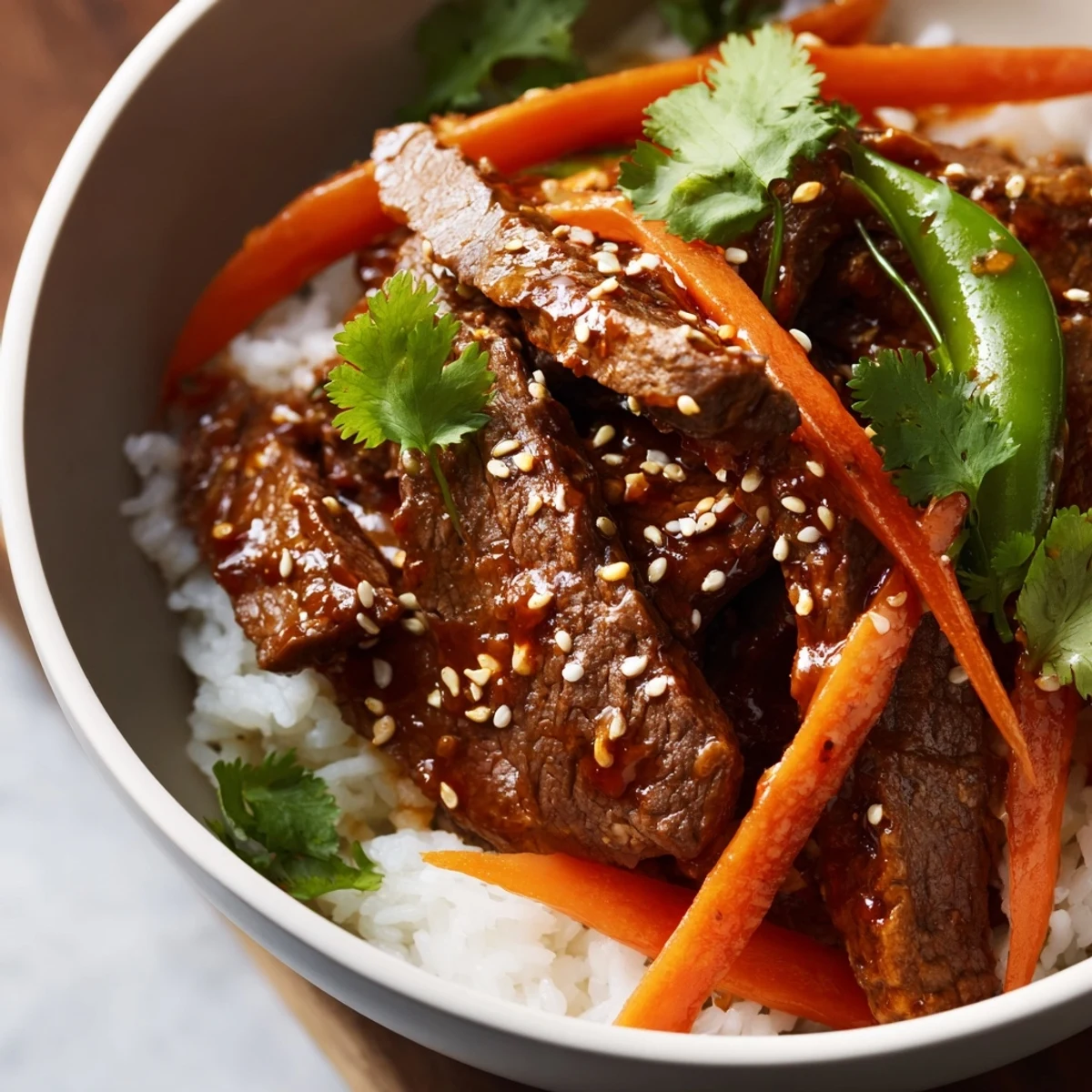
Save This spicy beef bowl has become my answer to the question of what to make when you want real flavor but don't have real time. It's one of those dishes that reminds you why you love cooking in the first place.
Common Questions
- → What cut of beef works best for this dish?
-
Flank steak or sirloin, thinly sliced against the grain, gives tender, flavorful strips ideal for quick cooking.
- → Can I adjust the spice level?
-
Yes, adding fresh chili slices or reducing sriracha controls the heat to suit your taste.
- → Which vegetables pair well with the beef?
-
Bell peppers, snap peas, and carrots provide crisp texture; broccoli, bok choy, or mushrooms are good alternatives.
- → How do I keep vegetables crisp and not overcooked?
-
Stir-fry vegetables briefly on high heat, about 2-3 minutes, to retain crunch and vibrant color.
- → Any tips for gluten-free adjustments?
-
Use tamari instead of soy sauce and ensure all condiments are certified gluten-free.