
 Save
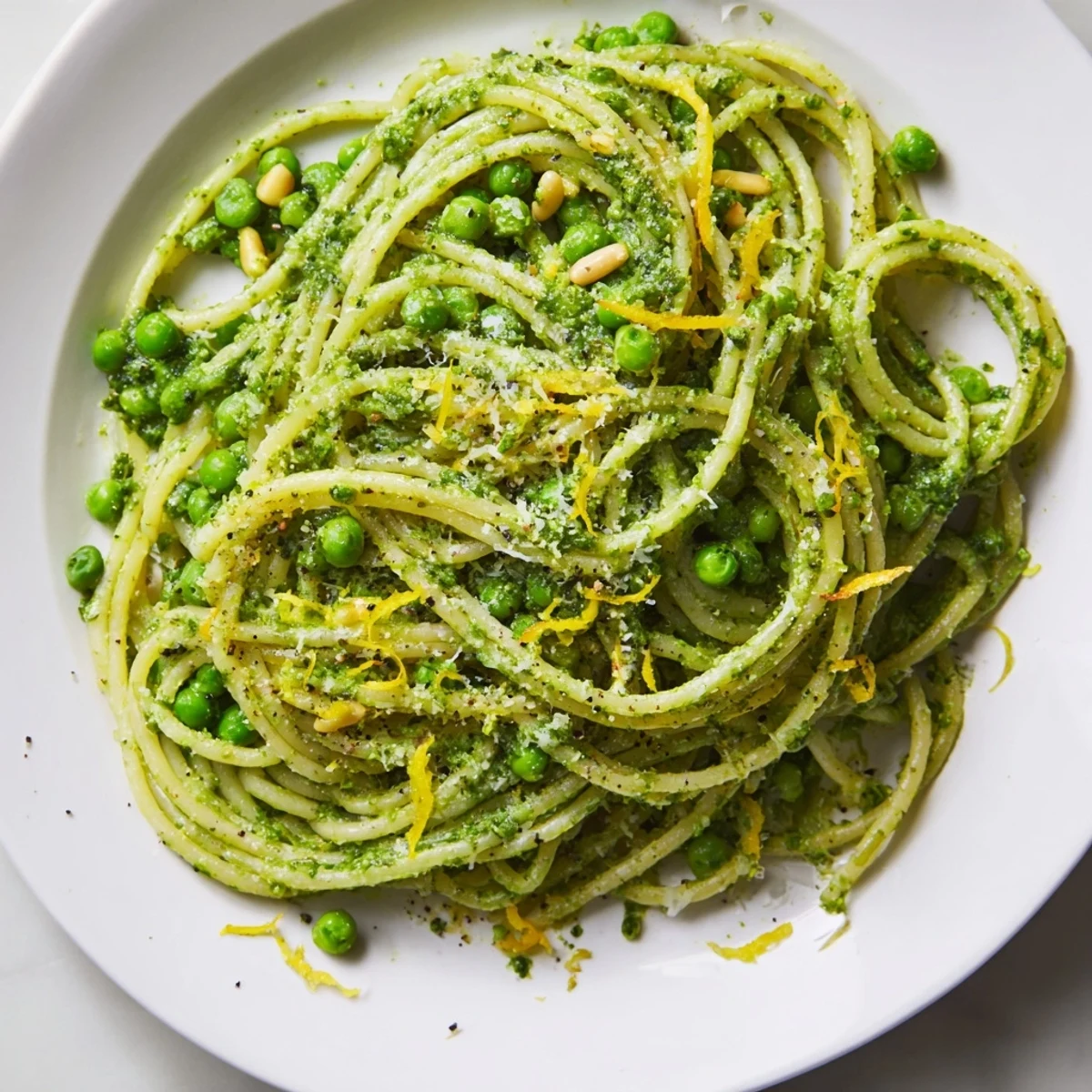
Save This delightful pasta highlights fresh spring peas and aromatic mint blended with basil, Parmesan, and pine nuts to create a vibrant pesto. Tossed with al dente pasta and finished with lemon zest and extra cheese, it offers a refreshing, flavorful meal in just 30 minutes. Ideal for a light yet satisfying main course, its bright flavors and simple preparation make it perfect for springtime dining.
The first time I made this, I was skeptical about mint in pasta. My friend Anna had brought over a bag of fresh peas from her father's garden, and we were both tired of our usual pasta rotation. Why not try something different? The pesto came together in minutes, and that first bite was such a surprise - bright, fresh, unlike anything I'd ever put on pasta before.
Last spring, I made this for my sister on her birthday. She'd been having a rough month and just wanted something simple and comforting. We sat on my back porch with our bowls, watching the neighborhood cats prowl around the garden, and she said it was exactly what she needed - food that felt like a hug but didnt weigh her down.
Ingredients
- 350 g (12 oz) dried spaghetti or linguine: Long strands capture the delicate pesto perfectly - I've found linguine holds the sauce slightly better than spaghetti
- 1 cup (150 g) fresh or frozen peas: If using frozen, thaw them completely and pat dry - excess water makes the pesto gummy
- 1 packed cup (25 g) fresh mint leaves: Dont be shy with the mint, it's the star that makes this sing
- 1/2 cup (15 g) fresh basil leaves: Provides earthiness that balances the bright mint
- 1/3 cup (35 g) grated Parmesan cheese: Use freshly grated - pre-grated has anti-caking agents that prevent smooth melting
- 1/3 cup (45 g) toasted pine nuts: Toast them in a dry skillet until golden, about 3 minutes - this step is non-negotiable for depth of flavor
- 1 small garlic clove: One clove is plenty - raw garlic can overwhelm the delicate herbs
- 1/2 teaspoon fine sea salt: Adjust based on how salty your Parmesan is
- 1/4 teaspoon freshly ground black pepper: Freshly cracked makes a noticeable difference
- 1/2 cup (120 ml) extra virgin olive oil: The pesto needs this much oil to coat pasta properly
- 1 tablespoon lemon juice: Cuts through the rich nuts and cheese, adds brightness
- 1/2 cup (75 g) fresh peas (optional): These add pops of texture and sweetness throughout
- 1/4 cup (30 g) grated Parmesan, for serving: Extra cheese never hurts
- Zest of 1 lemon: Finishing with zest brightens the entire dish
- Freshly cracked black pepper: A generous final grind brings everything together
Instructions
- Boil your pasta water:
- Bring a large pot of salted water to a boil - it should taste like the ocean. Add your pasta and cook until al dente, reserving 1/2 cup of the starchy cooking water before draining.
- Make the pesto base:
- In your food processor, combine the peas, mint, basil, Parmesan, toasted pine nuts, garlic, salt, and pepper. Pulse until everything is finely chopped and well combined.
- Add the oil and lemon:
- With the motor running, slowly drizzle in the olive oil and lemon juice. Let it run until completely smooth, scraping down the sides as needed. If it seems too thick, add a splash of that pasta water.
- Combine pasta and pesto:
- Return the drained pasta to the pot you cooked it in - the residual warmth helps the sauce embrace every strand. Add the pesto and toss thoroughly, using reserved pasta water to create a silky coating that clings to the pasta.
- Add the finishing touches:
- Fold in those extra fresh peas if you're using them, plus the lemon zest and half the remaining Parmesan. The warmth will slightly cook the fresh peas, keeping them sweet and snappy.
- Plate and serve:
- Divide among bowls and finish with the remaining Parmesan and a generous grind of black pepper. This pasta waits for no one - serve immediately while the pesto is vibrant and the pasta is perfectly coated.
 Save
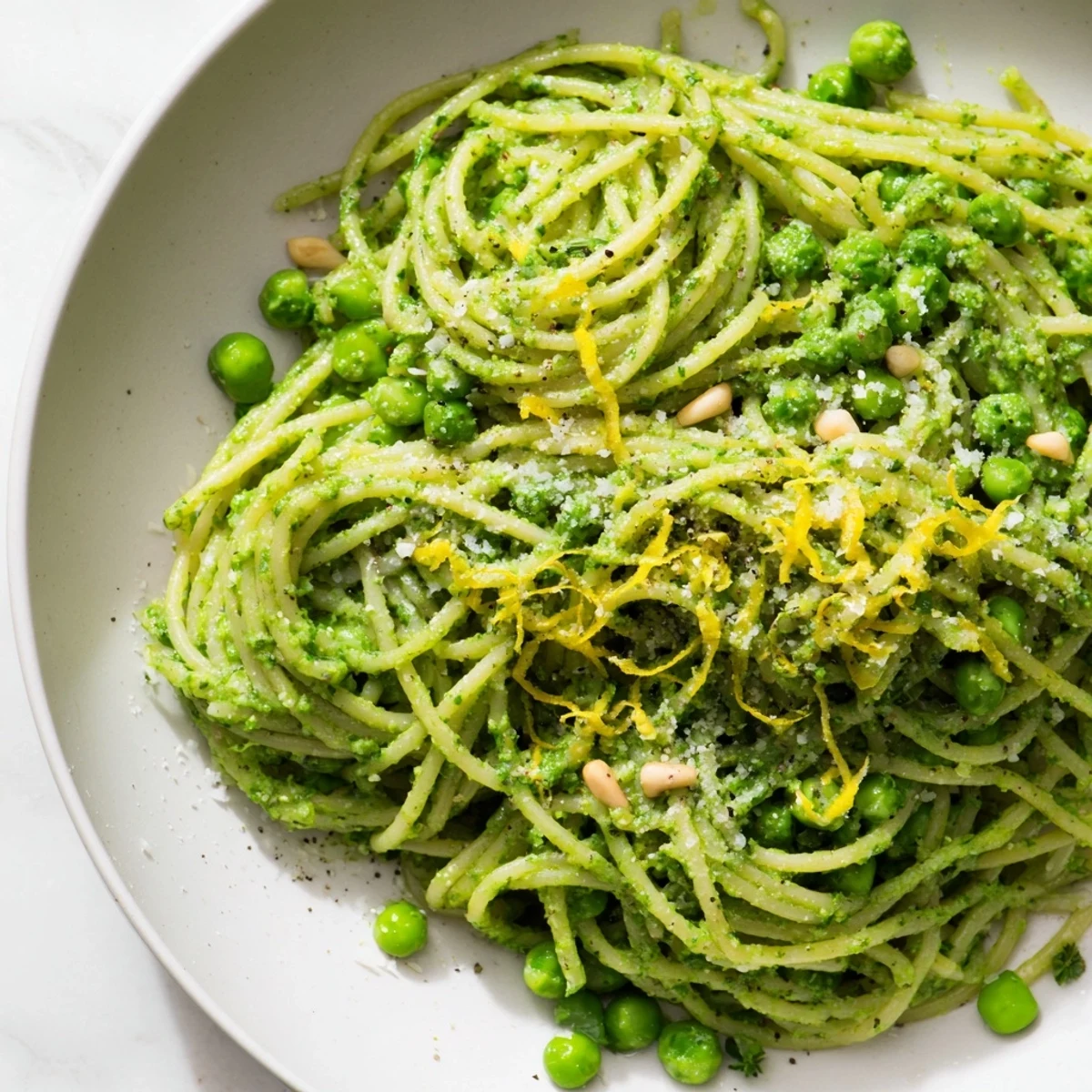
Save My neighbor's daughter, who claims to hate anything green, tried this at a dinner party last month. She took one skeptical bite, then went back for seconds and thirds. Sometimes the most unexpected combinations win people over.
Making It Your Own
I've discovered that this pesto is remarkably forgiving. Swap in walnuts or almonds if pine nuts feel too precious, or use all mint and skip the basil for a more intense flavor. The key is keeping that bright green freshness that makes it special.
Pasta Pairings
While spaghetti and linguine are classic choices, I've had great success with fusilli and cavatappi - their ridges and curves capture the pesto beautifully. Short pasta also makes this dish more portable for picnics and potlucks.
Timing And Temperature
This pasta is best served immediately, but I've learned that slightly undercooking the pasta helps when meal prepping. The residual heat continues cooking it as it sits with the pesto, so you don't end up with mushy leftovers the next day.
- If making ahead, store pasta and pesto separately and toss just before serving
- Room temperature pesto coats pasta better than cold from the fridge
- A splash of warm pasta water revives leftover pasta beautifully
 Save
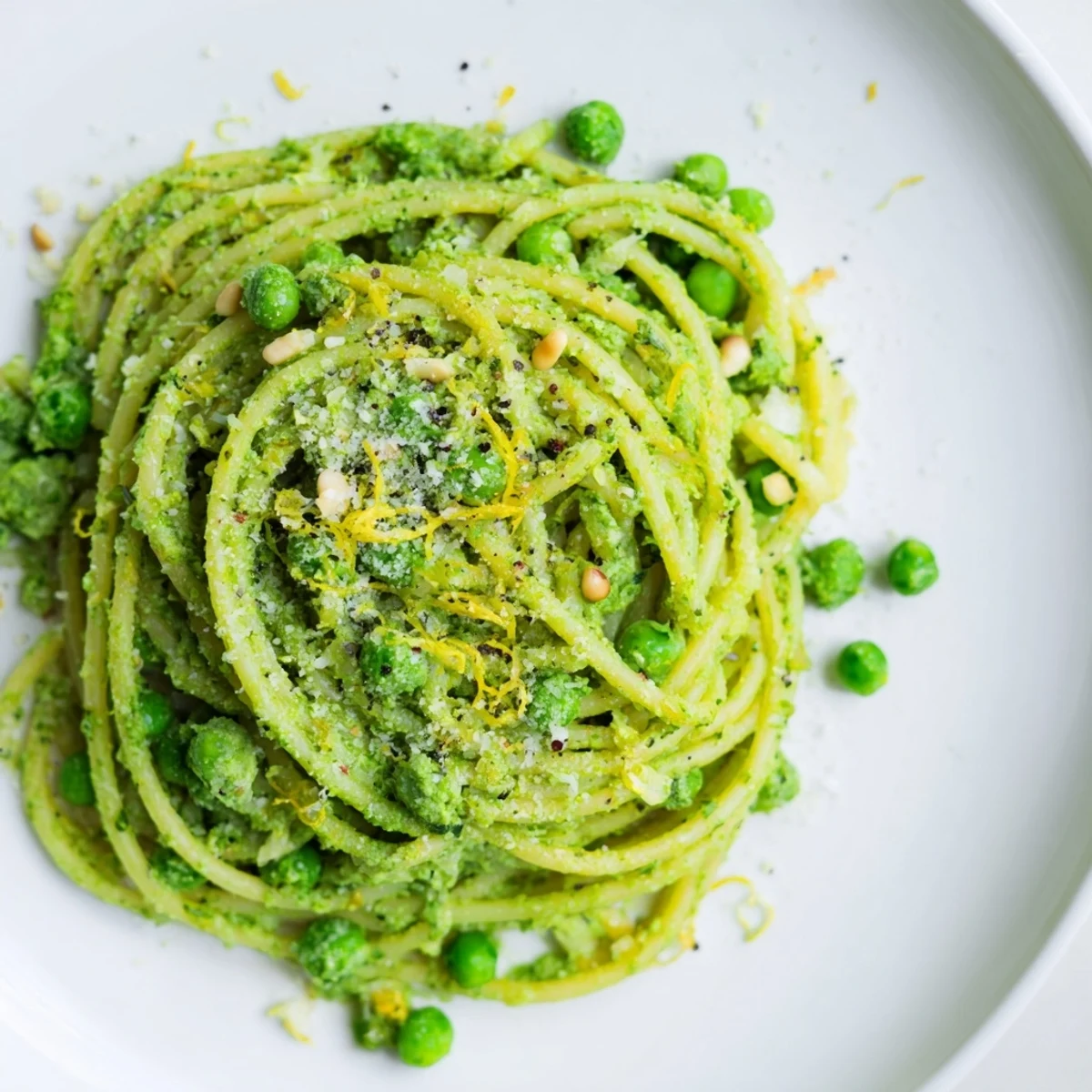
Save There's something about this dish that makes even a Tuesday dinner feel like an occasion. Simple, bright, and completely satisfying - exactly what pasta should be.
Common Questions
- → Can I use frozen peas for this dish?
-
Yes, thaw frozen peas before blending to ensure the pesto is smooth and fresh-tasting.
- → What can I substitute for pine nuts in the pesto?
-
Toasted almonds or walnuts work well and add a similar nutty flavor and texture.
- → How do I make the pesto creamier if it's too thick?
-
Add reserved pasta cooking water gradually while blending until the desired consistency is reached.
- → Is Parmesan necessary for flavor balance?
-
Parmesan adds a salty, umami depth, but nutritional yeast is a good vegan-friendly alternative.
- → Can I add fresh herbs to enhance the flavor?
-
Absolutely, fresh basil and mint are key, and arugula can add a nice peppery kick when mixed in.