
 Save
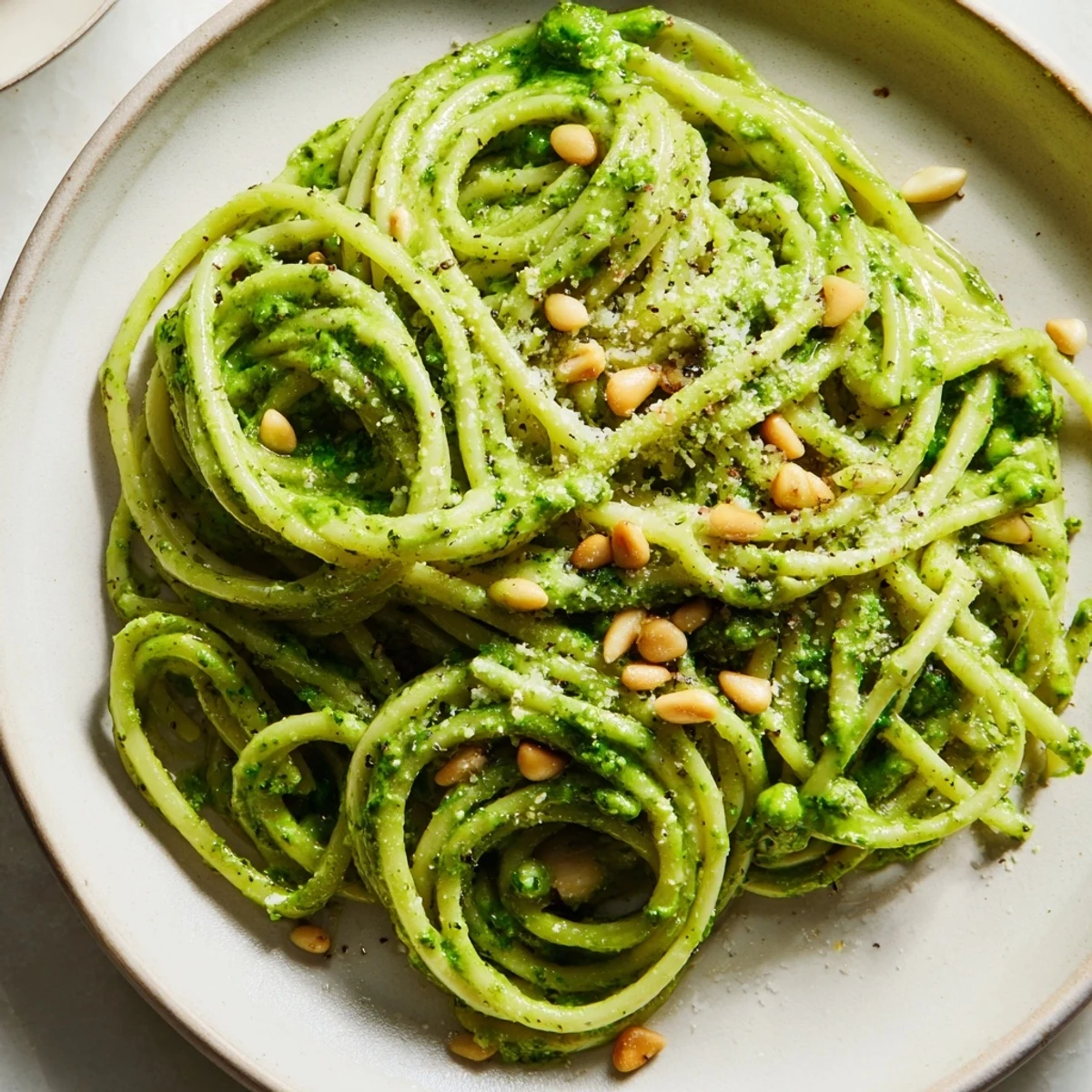
Save This vibrant dish blends sweet peas and aromatic mint with basil and toasted pine nuts to create a fresh pesto sauce. Tossed with al dente pasta and enhanced by Parmesan and lemon juice, it offers a bright and nutty flavor profile. Quick to prepare, it captures the essence of spring ingredients in a simple yet satisfying main course, perfect for vegetarians and easily adapted for vegan preferences.
Last spring, my neighbor dropped off a bag of fresh peas from her garden, and I ended up making this pesto on impulse when I realized I had mint taking over my windowsill. The combination was so startlingly bright that my husband asked why I'd never made it before, and honestly, I didn't have a good answer except that I'd been stuck in traditional basil pesto mode for years.
I made this for a book club meeting last month when two friends announced they'd gone vegetarian, and watching their faces light up at something so vibrant and satisfying reminded me why plant based cooking deserves more creativity than just side salads.
Ingredients
- 12 oz dried pasta: I prefer spaghetti or linguine for how the pesto clings to every strand, but penne works beautifully if you want something more substantial
- Salt for pasta water: Don't be shy here. The water should taste like the sea since it's your only chance to season the pasta itself
- 1½ cups fresh or frozen peas: Frozen peas work perfectly and are often sweeter than fresh, so don't stress about finding them at the farmers market
- ½ cup fresh mint leaves: Pick smaller leaves if possible. Large ones can be tough and slightly bitter
- ½ cup fresh basil leaves: This grounds the mint and keeps the pesto from tasting too much like toothpaste
- ⅓ cup toasted pine nuts: These are expensive but essential for that buttery crunch. Watch them like a hawk when toasting because they go from golden to burned in seconds
- ⅓ cup freshly grated Parmesan: Use the real stuff here, not the green can. The nutty richness ties everything together
- 1 small garlic clove: One is plenty since we're not cooking it, and raw garlic can easily overwhelm delicate herbs
- ½ teaspoon fine sea salt: Start here and adjust. The Parmesan adds saltiness too
- ¼ cup extra-virgin olive oil: The good oil matters here since we're not cooking it. Save the bargain stuff for roasting vegetables
- Juice of ½ lemon: This brightens everything and keeps the pesto from feeling heavy
Instructions
- Boil your pasta water:
- Get that pot of water salted and bubbling before you do anything else, because once the pesto is ready, you'll want to toss everything immediately
- Toast the pine nuts:
- Spread them in a dry skillet over medium heat, shaking the pan constantly until they turn golden and smell nutty, which takes about two minutes
- Make the pesto base:
- Toss the peas, mint, basil, toasted pine nuts, Parmesan, garlic, and salt into your food processor and pulse until everything looks like coarse confetti
- Add the liquids:
- With the motor running, pour in the olive oil and lemon juice, stopping to scrape down the sides until you have a smooth, vibrant green sauce
- Toss and serve:
- Combine the hot pasta with the pesto, adding splashes of pasta water until the sauce clings to every strand, then top with extra pine nuts and Parmesan
 Save
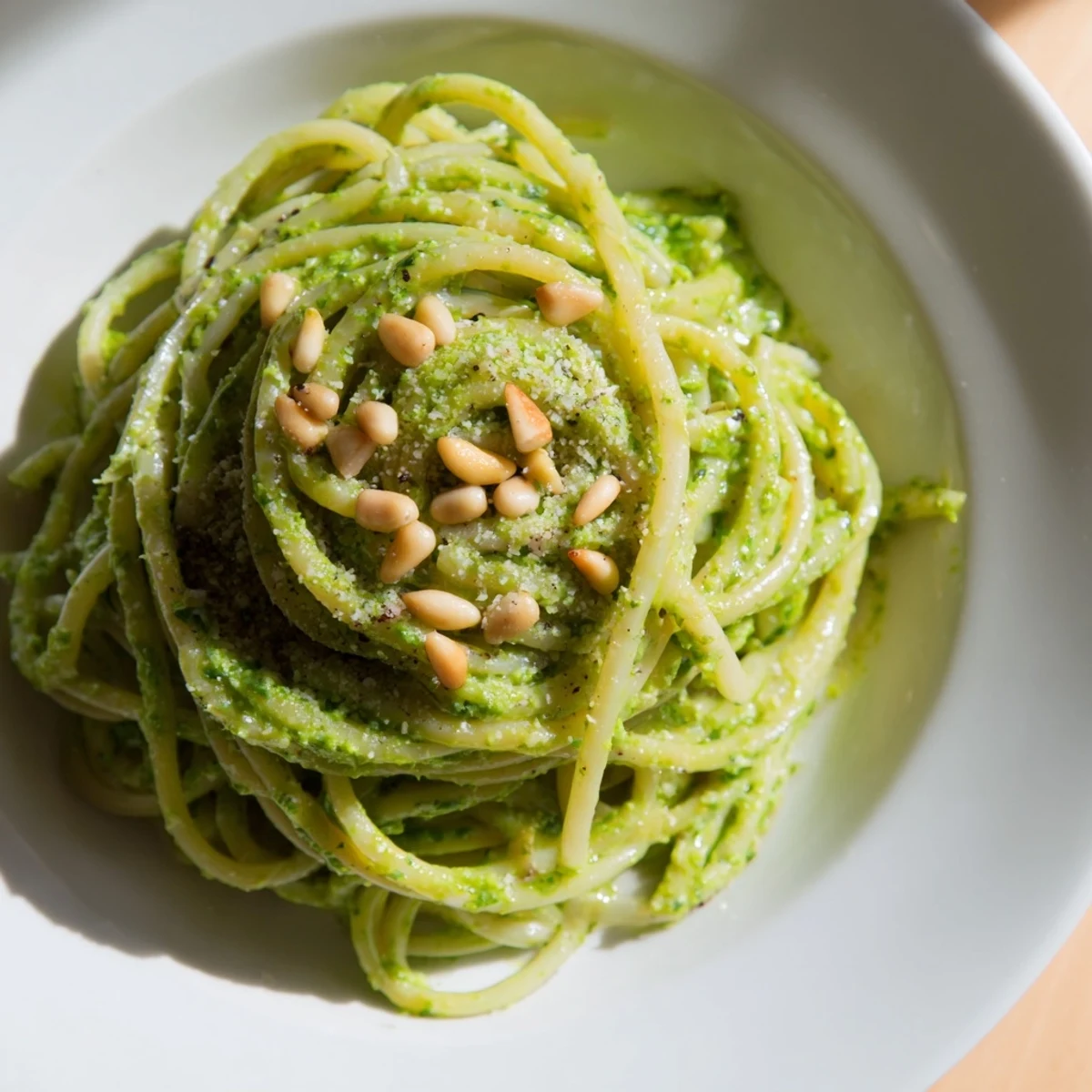
Save This pasta has become my go to for unexpected guests because it looks so impressive but requires zero last minute fuss, leaving me free to pour wine and actually talk to people instead of being stuck at the stove.
Making It Ahead
The pesto keeps beautifully in the fridge for up to five days, stored in an airtight container with a thin layer of olive oil on top to prevent oxidation. I often make a double batch and use the extra for sandwiches or stirred into scrambled eggs the next morning.
Wine Pairings
A crisp Sauvignon Blanc cuts through the pine nuts richness while highlighting the herbs, but a dry Pinot Grigio works beautifully if you prefer something lighter. Avoid oaky whites since they'll clash with the delicate mint and basil.
Easy Variations
Swap in walnuts or pistachios if pine nuts feel too expensive, though the flavor will be slightly earthier. For added nutrition, blend in a handful of baby spinach or arugula, which also deepens the green color.
- Add a dollop of ricotta for extra creaminess
- Stir in crispy pancetta for a salty contrast if you eat meat
- Toss with cherry tomatoes for juicy bursts of sweetness
 Save
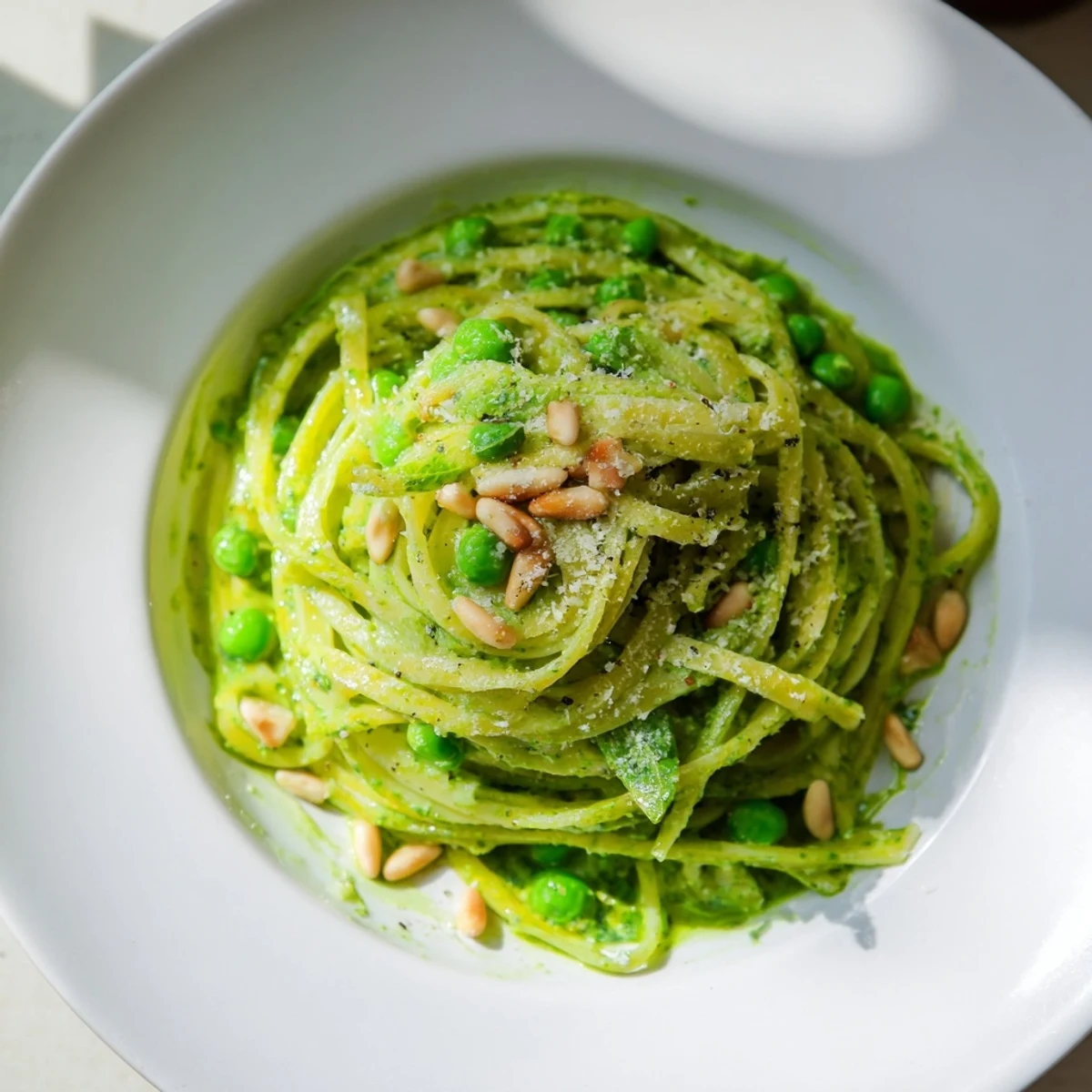
Save There's something about the way this pasta catches the light that makes even a Tuesday dinner feel like a celebration.
Common Questions
- → Can I use frozen peas for this dish?
-
Yes, thaw frozen peas before processing to ensure a smooth and fresh-flavored pesto.
- → What pasta types work best with mint pesto?
-
Long noodles like spaghetti or linguine, as well as penne, hold the pesto well and complement the texture of the sauce.
- → How do toasted pine nuts affect the flavor?
-
Toasting pine nuts enhances their nuttiness and adds a delightful crunch to the dish.
- → Can I substitute Parmesan for a dairy-free option?
-
Yes, nutritional yeast provides a similar savory note for a vegan-friendly alternative.
- → How do I adjust the pesto consistency?
-
Add reserved pasta water gradually while mixing to reach a smooth, spreadable texture.
- → What herbs enhance the mint pesto flavor?
-
Basil pairs beautifully with mint, creating a balanced herbal aroma and depth.