
 Save
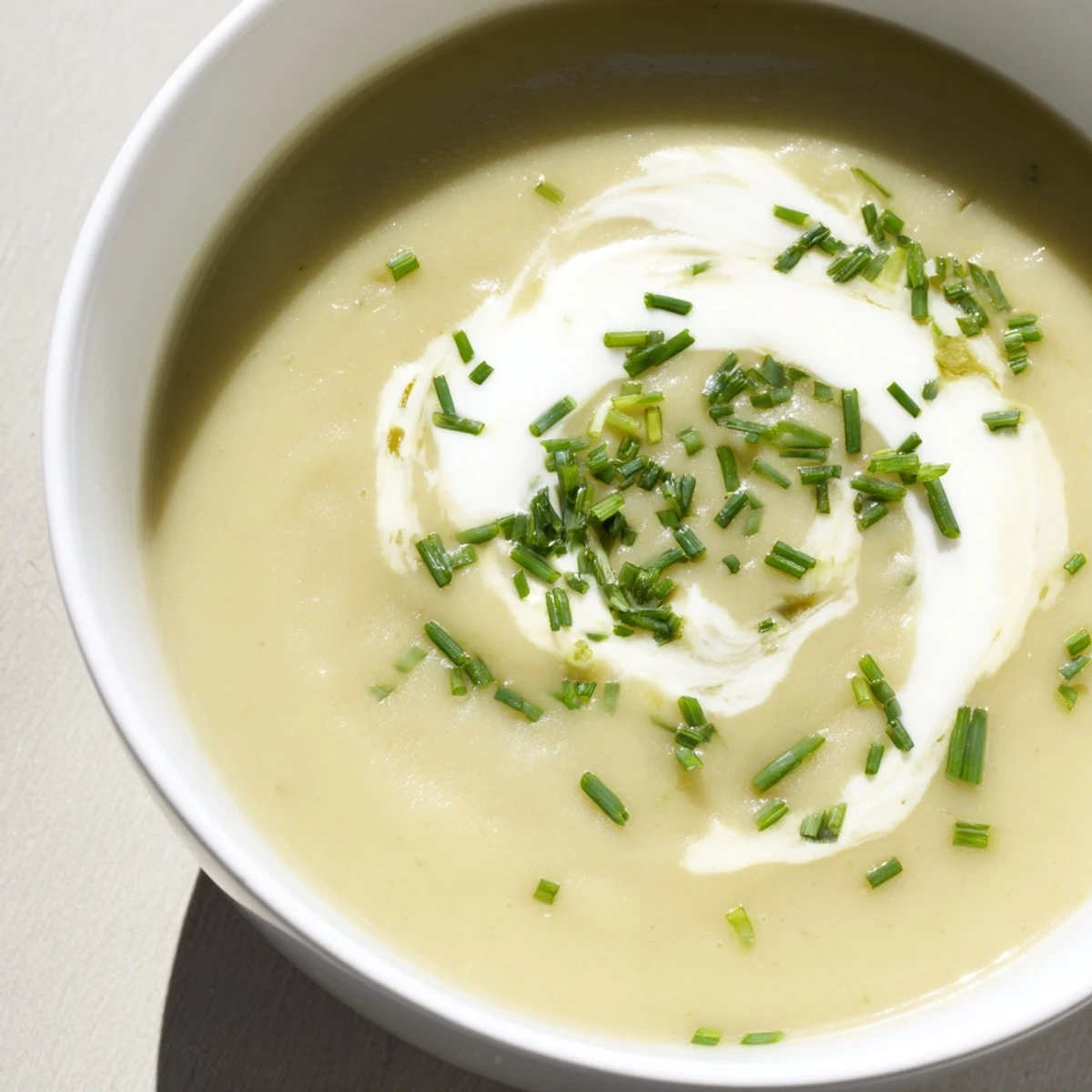
Save Prepare a comforting bowl by sautéing leeks, onions, and garlic in butter until soft. Add diced potatoes, broth, and seasonings, then simmer until tender. Blend the mixture until smooth, stir in cream with a pinch of nutmeg, and reheat gently. Serve hot with fresh herbs for a velvety finish.
There's something magical about the way leeks soften into silk when they meet hot butter, filling your kitchen with a smell that's somehow both gentle and deeply satisfying. I discovered this soup quite by accident one cold afternoon when I had a bunch of leeks that needed using and found myself daydreaming about something warm and velvety. What started as a quiet experiment turned into a dish I'd make again and again, each time remembering why it had become such a reliable comfort. The combination of leeks and potatoes, blended into something luxurious, proved to be the kind of simple magic that doesn't need much explanation.
I made this for my sister on a gray afternoon when she needed something nourishing and uncomplicated. She sat at my kitchen counter while I worked, and by the time the first bowl was ready, the steam rising from it seemed to ease something in the room. She asked for seconds, which felt less like a compliment and more like a conversation between old friends. That's when I knew this soup belonged in regular rotation, not just on special occasions.
Ingredients
- Large leeks (white and light green parts only): These are the soul of the soup, and cleaning them properly matters more than you'd think. Slice them lengthwise first, then into half-moons, and rinse between the layers where grit loves to hide.
- Medium potatoes: Cut them smaller rather than larger so they cook evenly and blend into the soup seamlessly. Waxy potatoes hold their shape slightly better than starchy ones, which is fine here since we're blending anyway.
- Medium onion: One is all you need to build flavor without overwhelming the delicate leek character.
- Garlic cloves: Just enough to whisper underneath, not shout over everything else.
- Low-sodium vegetable broth: Quality broth makes a real difference; it becomes the foundation of every spoonful.
- Whole milk or heavy cream: The milk version keeps it lighter, but cream transforms it into something more indulgent. Both are worth trying.
- Unsalted butter: This lets you control the salt level and tastes cleaner than salted varieties.
- Salt and white pepper: White pepper blends invisibly into creamy soups, leaving no black specks behind.
- Nutmeg: A whisper of it at the end brings warmth and sophistication, but only if you want it.
- Fresh chives or parsley for garnish: These bright flavors cut through the richness and remind you that soup can still be fresh.
Instructions
- Build the flavor base:
- Melt butter in a large pot over medium heat and add your onion, leeks, and garlic. You're looking for softness and translucence, that moment when they surrender to the heat but haven't started to brown. This usually takes 6 to 8 minutes of gentle stirring, and your kitchen will smell like comfort itself.
- Introduce the potatoes:
- Add your diced potatoes with a pinch of salt and white pepper, stirring so everything gets coated in that buttery mixture. This helps the seasonings distribute evenly and prevents anything from sticking.
- Simmer everything together:
- Pour in the vegetable broth and bring it to a boil, then drop the heat to a simmer. Cover the pot and let it bubble gently for about 20 minutes until the potatoes are so tender they practically fall apart when you touch them. This is your signal that everything is ready to transform.
- Blend into smoothness:
- Remove from heat and use an immersion blender to purée the soup, moving it through the pot in steady motions until there are no chunks left. If you prefer, carefully transfer to a countertop blender in batches, letting it cool slightly first to prevent any splattering.
- Finish with cream and warmth:
- Stir in your milk or cream and that optional pinch of nutmeg if using it. Gently reheat over low heat until it's hot throughout but not boiling, which would break the delicate emulsion. Taste and adjust salt and pepper to your preference.
- Serve with intention:
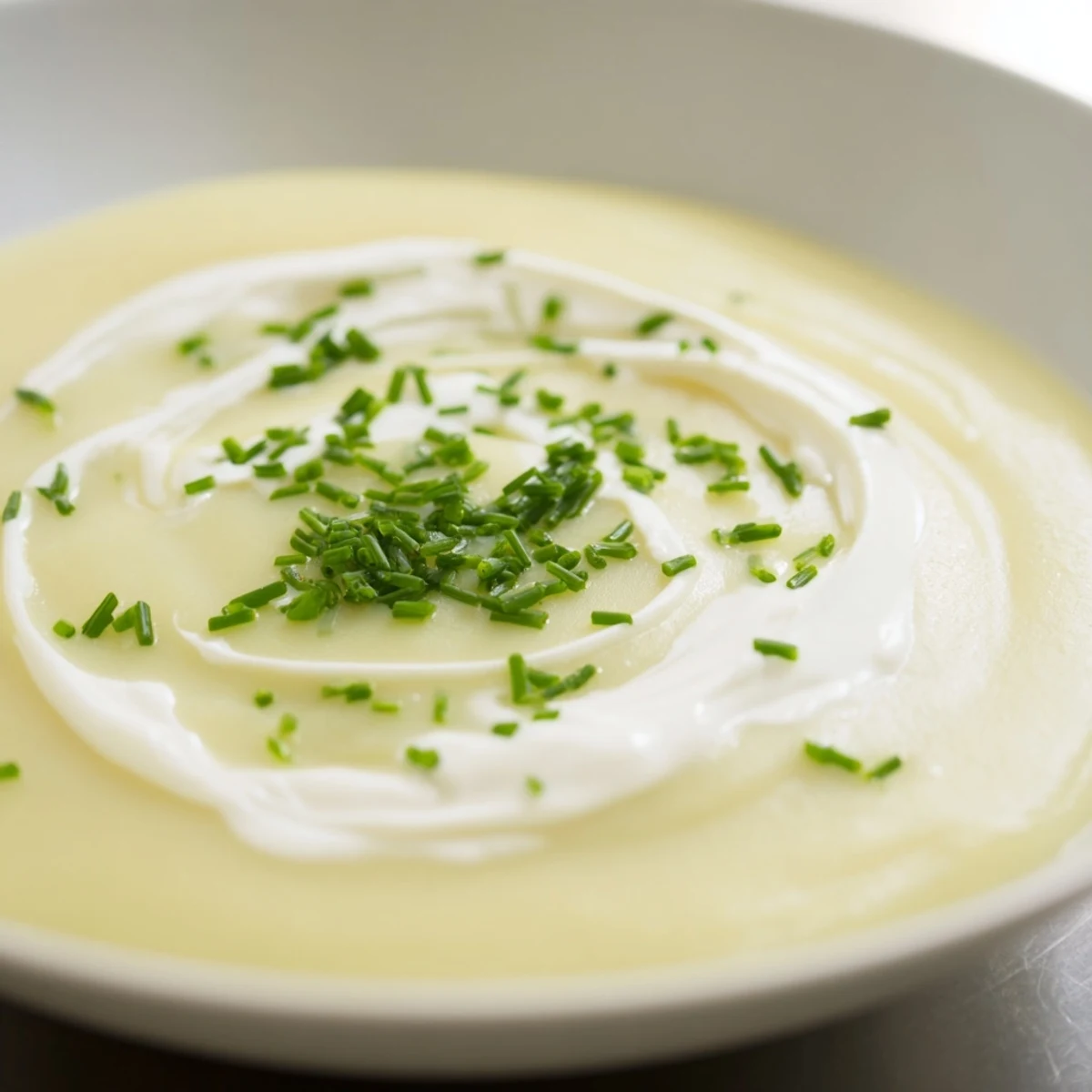
- Ladle into bowls and garnish with those bright fresh herbs and a drizzle of cream if you're feeling generous. Serve while it's still steaming, which is when the soup tastes most like itself.
 Save
Save I remember bringing a thermos of this soup to a friend's house in the middle of a move, both of us surrounded by boxes and chaos. Somehow, that warm, simple soup became the most real and grounding thing in the room that day. It reminded us both that food doesn't need to be complicated to matter.
The Art of the Proper Sauté
The opening step is where this soup either sings or stumbles. Medium heat is crucial because leeks contain natural sugars that will burn if the pan is too hot, turning bitter instead of sweet. You want to hear them whisper and soften, not sizzle aggressively. This patient sauté sets the entire tone for the soup that follows.
Why Blending Matters
The choice between immersion and countertop blenders comes down to personal preference, but both deliver the same magical result. An immersion blender is faster and leaves fewer dishes; a countertop blender can incorporate a bit of air if you prefer a slightly lighter texture. I've made this soup both ways, and the difference is mostly about your kitchen mood that day.
Variations and Personal Touches
This soup is forgiving enough to welcome small changes without losing its soul. A handful of baby spinach stirred in before blending adds color and nutrition. Some cooks swear by a splash of white wine added with the broth, which brings brightness. You could also experiment with a touch of thyme or bay leaf during the simmer if you want to layer the flavors, remembering to remove them before blending.
- For a lighter version, use milk instead of cream or reach for a high-quality oat milk that won't curdle.
- Serve alongside crusty bread that can soak up every last spoonful, turning this from a starter into a meal.
- A crisp white wine like Sauvignon Blanc or Grüner Veltliner pairs beautifully if you're enjoying this with company.
 Save
Save This soup has become one of those dishes I make without thinking, the way you reach for a favorite sweater. It's nourishing without being heavy, elegant without pretense, and most importantly, it reminds everyone at the table why simple food, made with care, is what we actually crave.
Common Questions
- → Can I freeze this soup?
-
Yes, allow it to cool completely before freezing. For best results, add the cream after reheating to prevent separation.
- → How do I get a smoother texture?
-
Ensure the potatoes are fully tender before blending. Use a high-speed blender or immersion blender for the silkiest results.
- → What can I use instead of heavy cream?
-
Whole milk provides a lighter version, or use coconut milk for a dairy-free alternative that adds subtle sweetness.
- → Do I need to peel the potatoes?
-
Peeling is recommended for the smoothest texture, but you can leave skins on if they are thin and you prefer a rustic feel.
- → How long will leftovers keep?
-
Store in an airtight container in the refrigerator for up to three days. Reheat gently on the stovetop.