
 Save
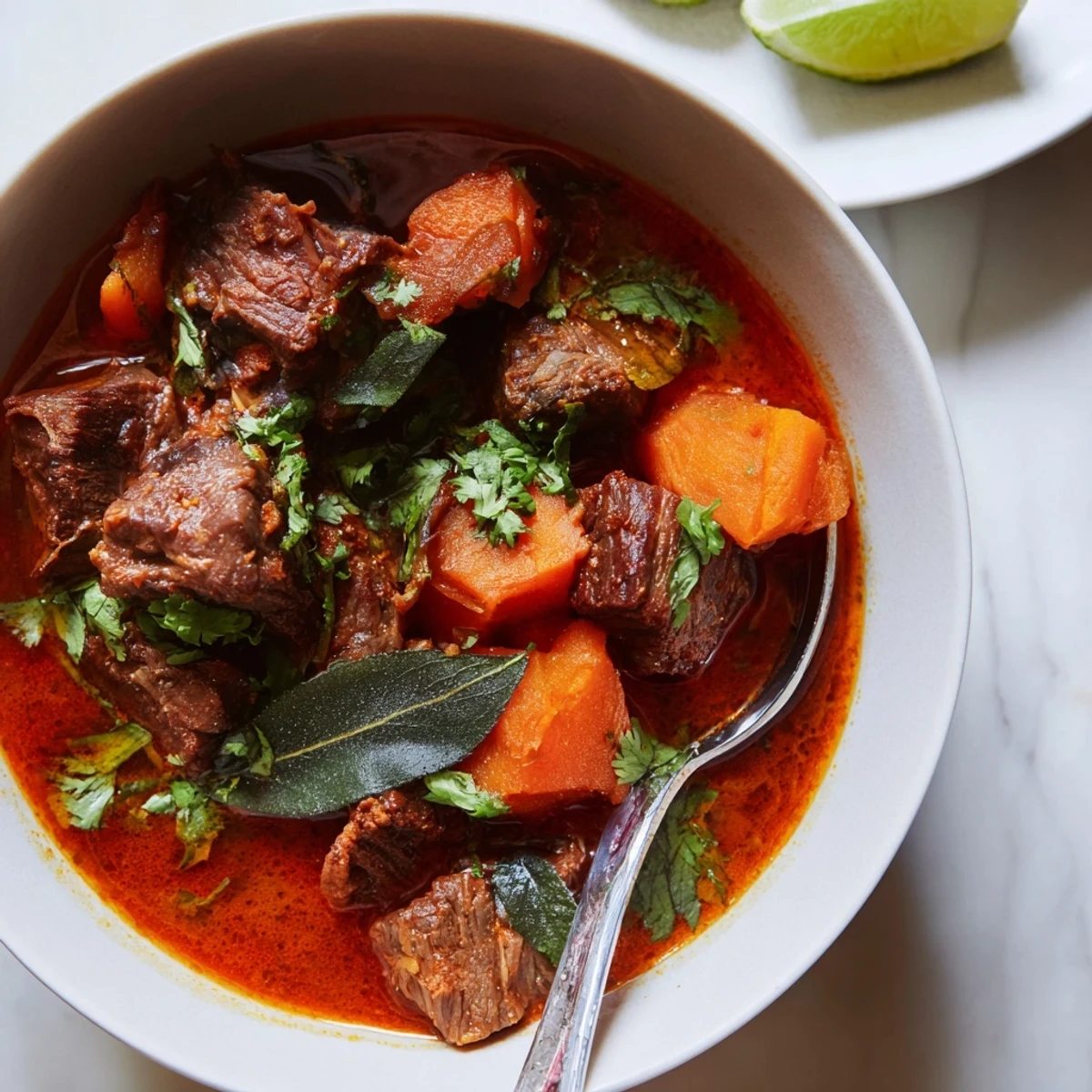
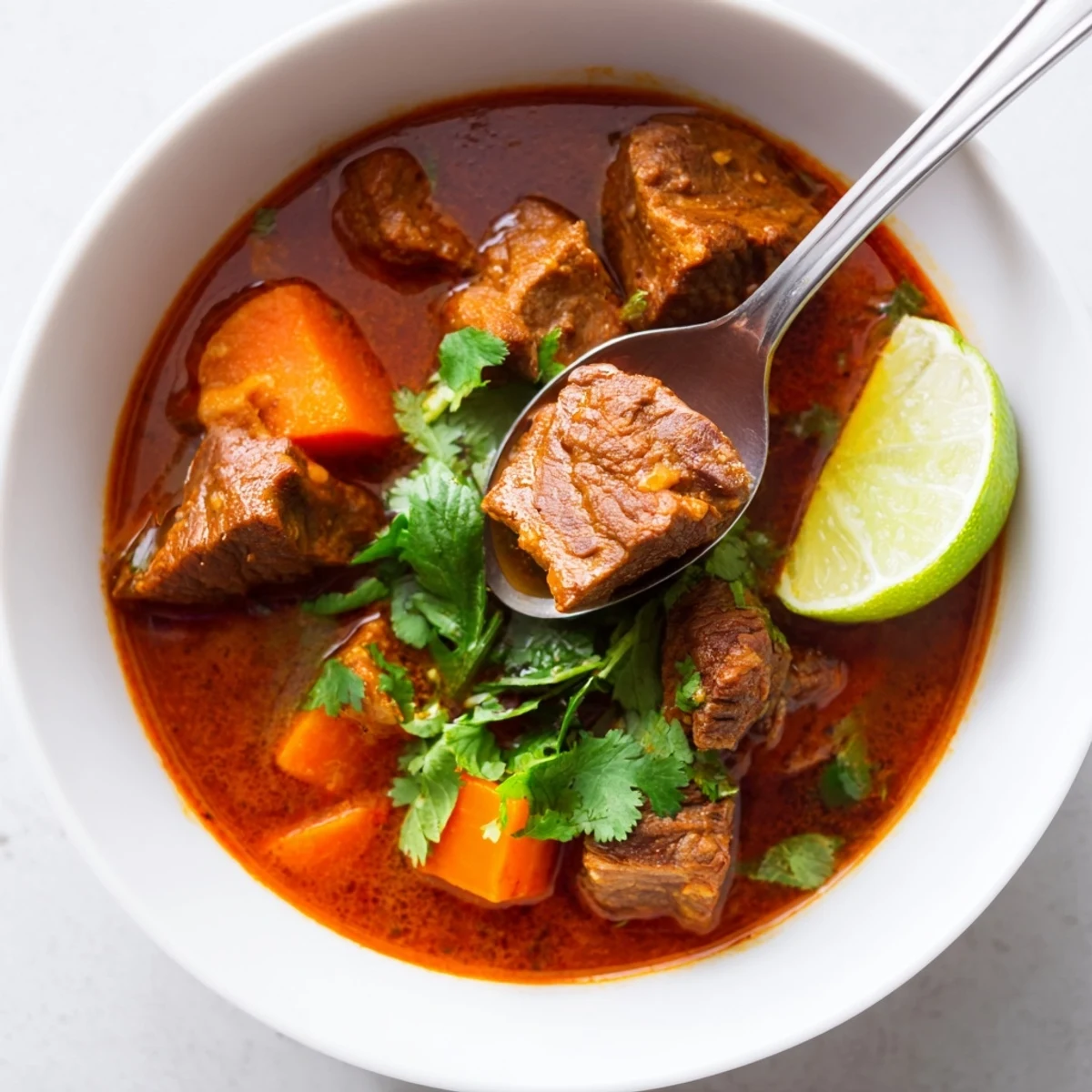
Save This traditional Vietnamese bowl features succulent beef chuck that melts after hours of gentle simmering. The broth gets its distinctive fragrance from bruised lemongrass stalks, star anise pods, and cinnamon, while carrots add natural sweetness. Serve with crusty baguette slices for dipping or over rice noodles for a complete meal.
The first time Bo Kho appeared in my kitchen was during a particularly rainy Portland winter, when my Vietnamese neighbor invited me over to help her make an enormous pot. Her tiny apartment filled with the scent of lemongrass and star anise, steam fogging up the windows while we took turns stirring and sampling. She taught me that patience is the real secret ingredient, not the expensive beef or imported spices. That afternoon changed how I thought about slow cooking entirely.
Last winter, my partner came down with a terrible flu that had knocked them flat for days. I made a triple batch of this stew, letting it simmer low and slow while snow fell outside the windows. They managed to keep down a small bowl, and something about those warming spices and rich broth seemed to help more than anything else. Now its our go to comfort food whenever life feels overwhelming or cold.
Ingredients
- Beef chuck or brisket: I learned the hard way that lean cuts dry out, so embrace the marbling here for meltingly tender results
- Fish sauce: This is the umami backbone, and honestly the quality matters more than you might think
- Lemongrass: Bruising the stalks with the back of your knife releases those essential oils that make this dish sing
- Star anise: Just two pods transform the entire broth into something deeply aromatic and complex
- Carrots: They become impossibly sweet and tender, almost like they are candy themselves after hours of simmering
- Tomato paste: Adds a subtle richness and beautiful color without making this taste like Italian food
- Beef stock: Homemade is ideal, but a good quality store bought version works perfectly fine here
Instructions
- Marinate the beef:
- Toss those beef cubes with the fish sauce, soy sauce, sugar, pepper, garlic, and shallots until everything is well coated. Let it hang out for at least 30 minutes, though I often prep this the night before and let the flavors really deepen.
- Sear for depth:
- Get your heaviest pot nice and hot, then sear the beef in batches until you get a gorgeous brown crust on all sides. Do not rush this step or crowd the pot, because that caramelization is where the serious flavor lives.
- Build the base:
- In the same pot, cook those onions until they soften, then stir in the tomato paste for a minute to cook off its raw edge. The kitchen should already smell pretty amazing at this point.
- Add the aromatics:
- Toss in the lemongrass, star anise, cinnamon stick, and bay leaves, then return all that beautifully seared beef back to the pot. Give everything a good toss to coat the beef with those fragrant spices.
- Simmer low and slow:
- Pour in your stock, making sure to scrape up any browned bits from the bottom, then bring it to a bubble before reducing to the gentlest simmer. Cover and let it do its thing for an hour and a half, checking occasionally to make sure its not boiling too aggressively.
- Add the carrots:
- Drop in those carrot pieces and simmer uncovered for another 30 to 40 minutes, until the beef is falling apart tender and the sauce has thickened slightly. I usually skim off any excess fat that rises to the top during this stage.
- Final adjustments:
- Taste and adjust the seasoning with more fish sauce or salt if needed, then fish out the lemongrass, star anise, cinnamon, and bay leaves before serving.
- Finish with flair:
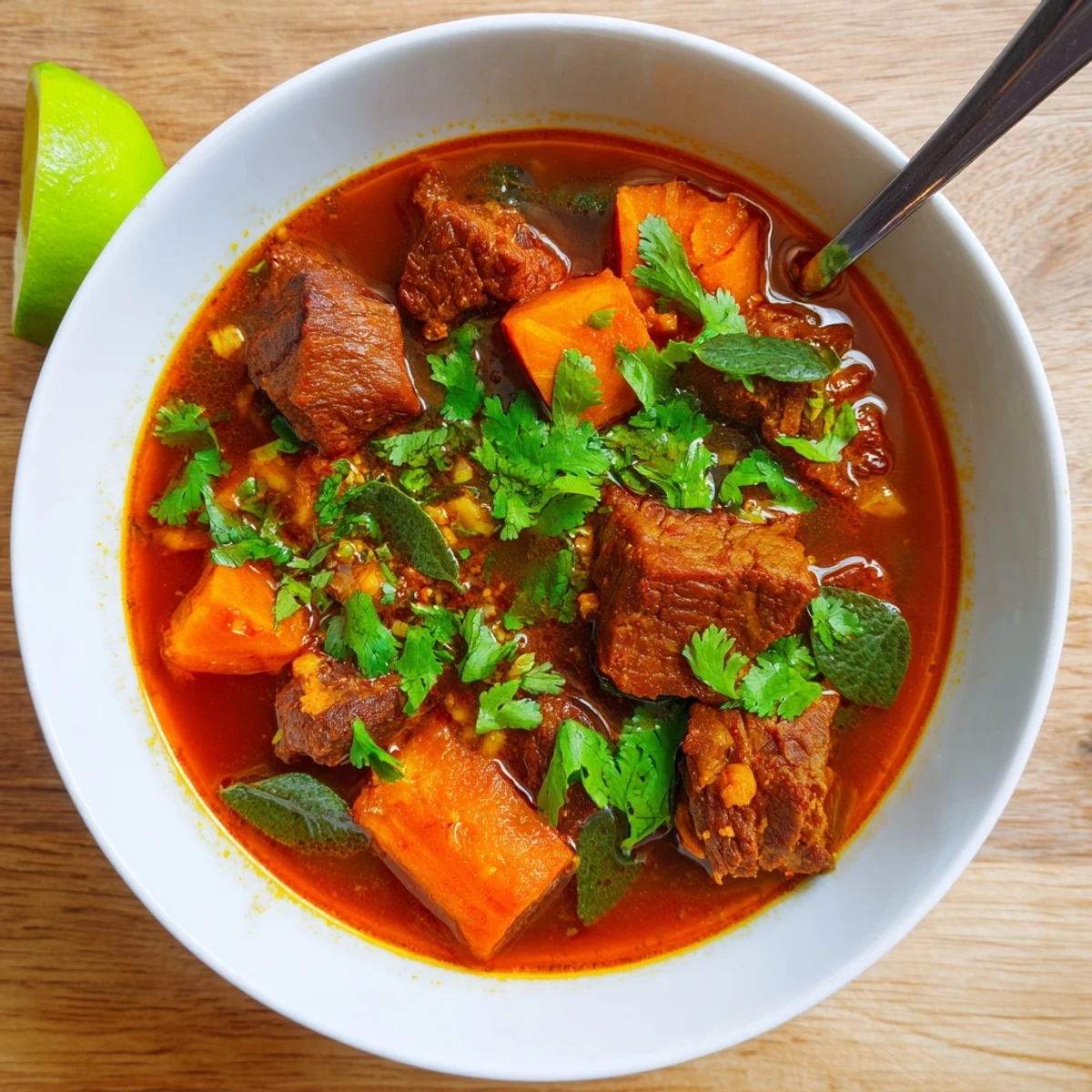
- Ladle into generous bowls and shower with fresh cilantro, Thai basil if you have it, and those bright slices of red chili. Serve with lime wedges and plenty of crusty bread for soaking up every last drop of that incredible broth.
 Save
Save My friend Minh once told me that Bo Kho is what Vietnamese grandmothers make when they really want to show love through food. After making it countless times since that rainy afternoon, I finally understand what she meant. There is something about the combination of long simmering time and fragrant spices that feels like care in edible form.
Making It Your Own
I have tried all sorts of variations over the years, adding daikon radish with the carrots or tossing in potatoes for extra heartiness. My favorite accidental discovery was when I ran out of regular carrots and used rainbow carrots instead, which made the stew look absolutely stunning in the bowls.
The Bread Situation
A proper baguette from a Vietnamese bakery is ideal, but any crusty bread will do the job beautifully. I have also served this over rice noodles when I wanted something lighter, and honestly both ways are completely valid depending on your mood.
Leftovers Actually Taste Better
This is one of those magical dishes that improves overnight as the flavors continue to meld and develop. I always try to make extra specifically for this reason, knowing that tomorrow lunch will be even better than tonight dinner.
- Store leftovers in the refrigerator for up to four days, though they rarely last that long in my house
- The broth might look slightly thickened when you reheat it, which is totally normal and just means the flavors have concentrated
- If you are freezing portions, leave out the carrots until you reheat since they can get a bit mushy in the freezer
 Save
Save Whether you are feeding a crowd on a rainy Sunday or just want your kitchen to smell incredible, this stew delivers every single time. There is a reason it has been a staple in my cooking repertoire for years now.
Common Questions
- → What cut of beef works best for tender results?
-
Chuck or brisket are ideal choices because they become fork-tender after slow cooking while retaining rich beefy flavor. The connective tissue breaks down beautifully during the long simmer.
- → Can I make this ahead of time?
-
Absolutely. The flavors deepen overnight, making it even better the next day. Cool completely before refrigerating, then reheat gently on the stove.
- → What gives Bo Kho its signature aroma?
-
The combination of fresh lemongrass, star anise, and cinnamon creates the distinctive fragrance. Bruising the lemongrass releases its essential oils into the broth.
- → Is fish sauce necessary for authentic flavor?
-
Fish sauce provides essential umami depth. While you can substitute with extra soy sauce, the result won't have the same complexity or traditional taste profile.
- → What should I serve alongside?
-
Crusty French bread is the classic choice for soaking up the aromatic broth. Rice noodles also work wonderfully. Add fresh herbs and lime wedges for brightness.