
 Save
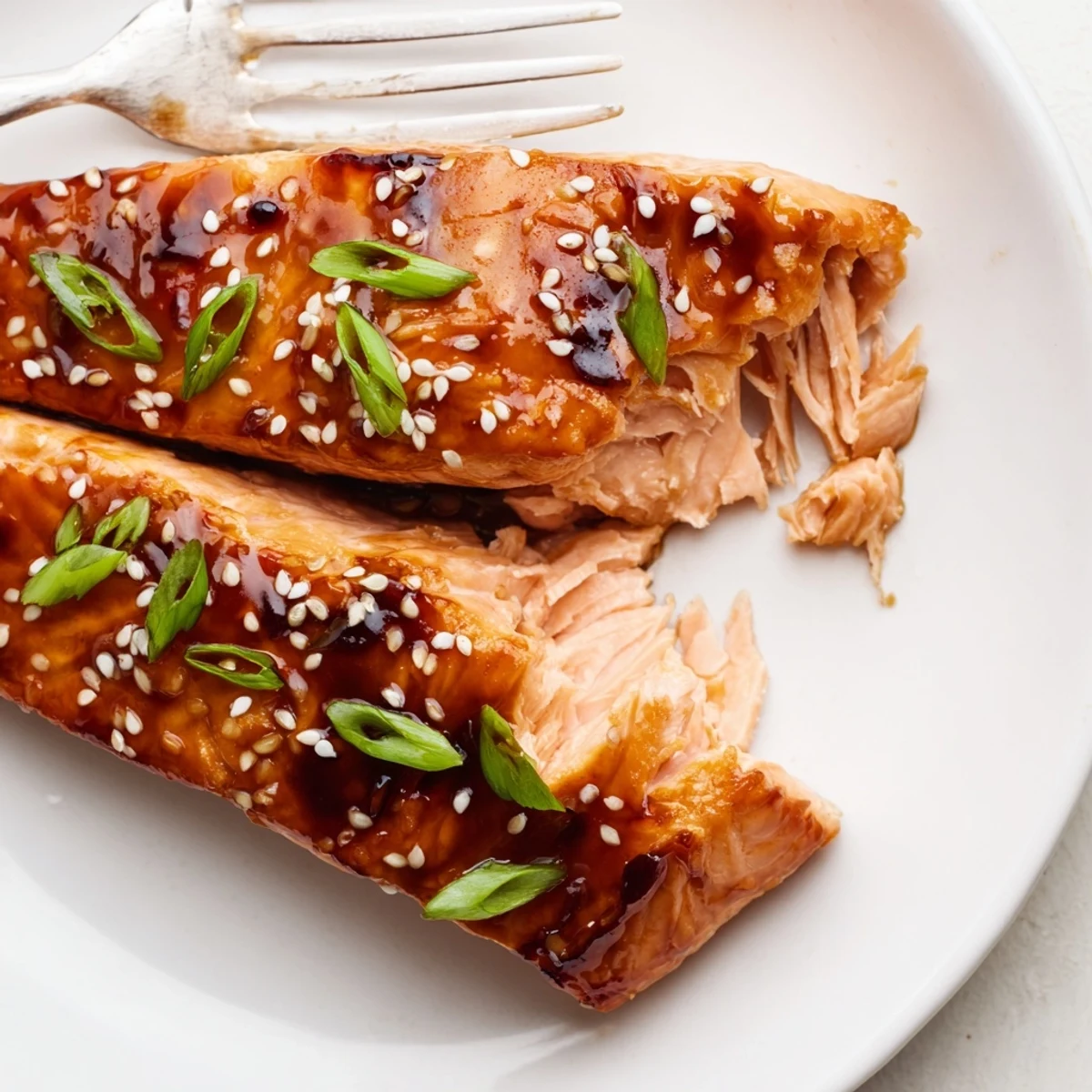
Save This baked Asian salmon features tender fillets coated in a rich glaze made from soy sauce, honey, sesame oil, ginger, and garlic.
The salmon bakes at 200°C for just 15-18 minutes, making it an ideal choice for busy weeknights when you want something flavorful without spending hours in the kitchen.
Serve it over steamed jasmine rice with sautéed vegetables for a complete, satisfying meal that's naturally gluten-free and dairy-free.
My apartment smelled like a street food stall the night I threw together soy sauce, honey, and ginger on a whim, desperate to rescue a plain salmon fillet from boring. The glaze caramelized in the oven and crackled at the edges, and my roommate walked in asking what restaurant I had ordered from. That moment of accidental brilliance became a weeknight ritual I refuse to let go of.
I have served this at dinner parties where nobody believed it was my first attempt, and on random Tuesdays when the fridge looked hopeless and motivation was even lower. One friend now texts me every Friday asking if I am making the salmon again, and I always am.
Ingredients
- Salmon fillets (4, about 170 g each): Skin on holds together beautifully during baking but skinless works fine if that is what you have.
- Soy sauce (60 ml): Use gluten free tamari if needed, and reach for a good quality bottle because it is the backbone of the glaze.
- Honey or maple syrup (2 tbsp): Honey gives a richer caramel but maple syrup adds a woodsy sweetness that pairs wonderfully with ginger.
- Sesame oil (1 tbsp): Toasted sesame oil is the one you want here, just a tablespoon transforms the entire flavor profile.
- Rice vinegar or lime juice (2 tbsp): Acid balances the sweetness, and lime juice gives a brighter punch if you are craving something more tropical.
- Fresh ginger, grated (1 tbsp): Fresh is non negotiable, dried ginger will not give you that warm, spicy fragrance.
- Garlic, finely minced (2 cloves): Mince it small so it melts into the glaze instead of catching you off guard with a raw bite.
- Sriracha or chili paste (1 tbsp, optional): Skip it for a family friendly version or double it if you like your salmon with attitude.
- Toasted sesame seeds (1 tsp): For garnish and a gentle crunch on top.
- Green onions, finely sliced (2 tbsp): Scatter these on at the very end for freshness and color.
Instructions
- Preheat and prepare:
- Set your oven to 200 degrees C (400 degrees F) and line a baking tray with parchment paper or foil so cleanup is painless later.
- Whisk the glaze:
- Combine soy sauce, honey, sesame oil, rice vinegar, ginger, garlic, and sriracha in a bowl and whisk until the honey dissolves and everything smells incredible.
- Coat the salmon:
- Lay the fillets on your prepared tray and spoon the marinade over each one generously, saving a small amount to drizzle on after baking.
- Let it rest briefly:
- Give the salmon ten minutes at room temperature to soak up the glaze if time allows, and you will taste the difference.
- Bake until perfect:
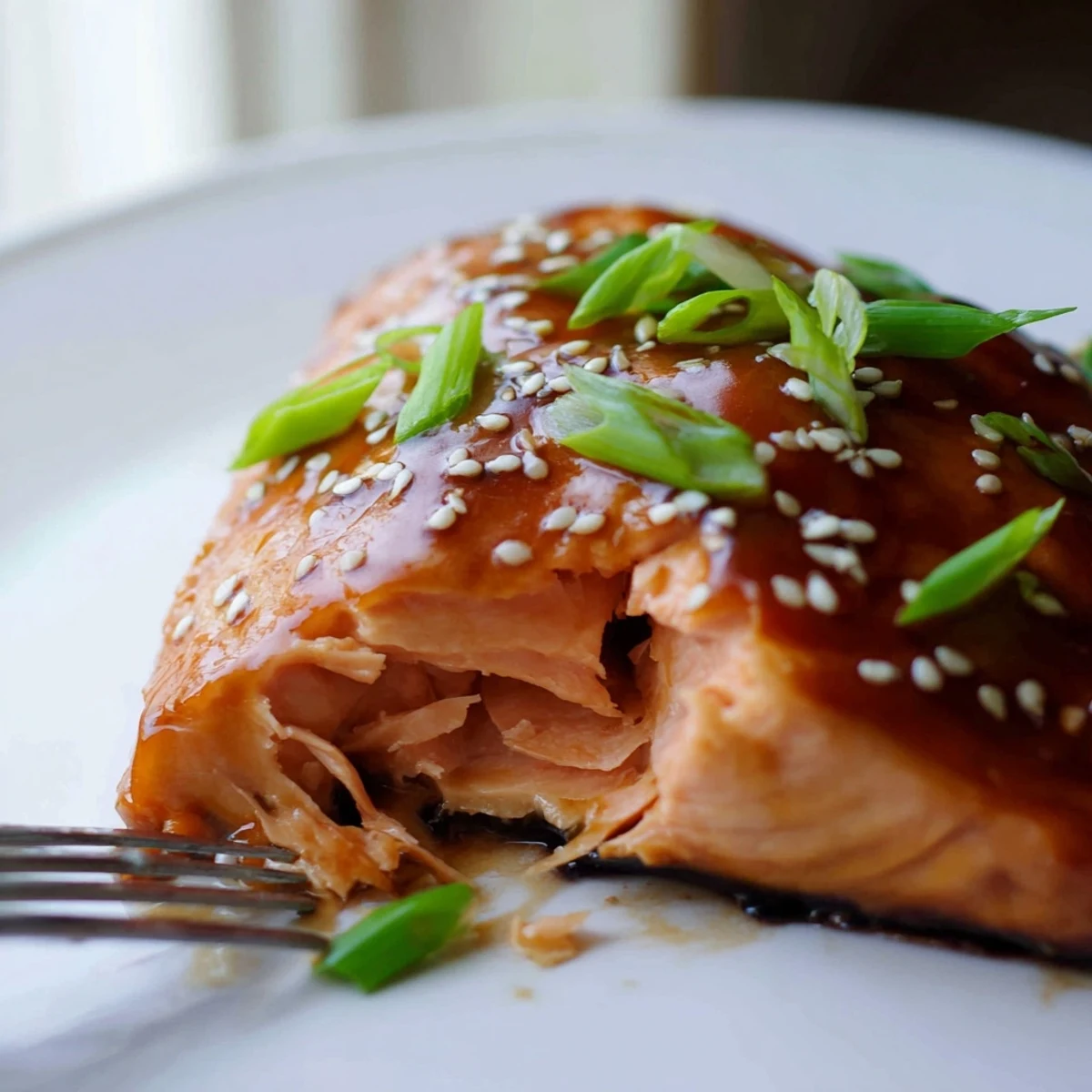
- Slide the tray into the oven for fifteen to eighteen minutes, watching for the edges to caramelize and the center to flake easily with a fork.
- Finish and serve:
- Pull it out, drizzle any reserved glaze on top, scatter sesame seeds and green onions, and serve immediately while the edges are still slightly crisp.
 Save
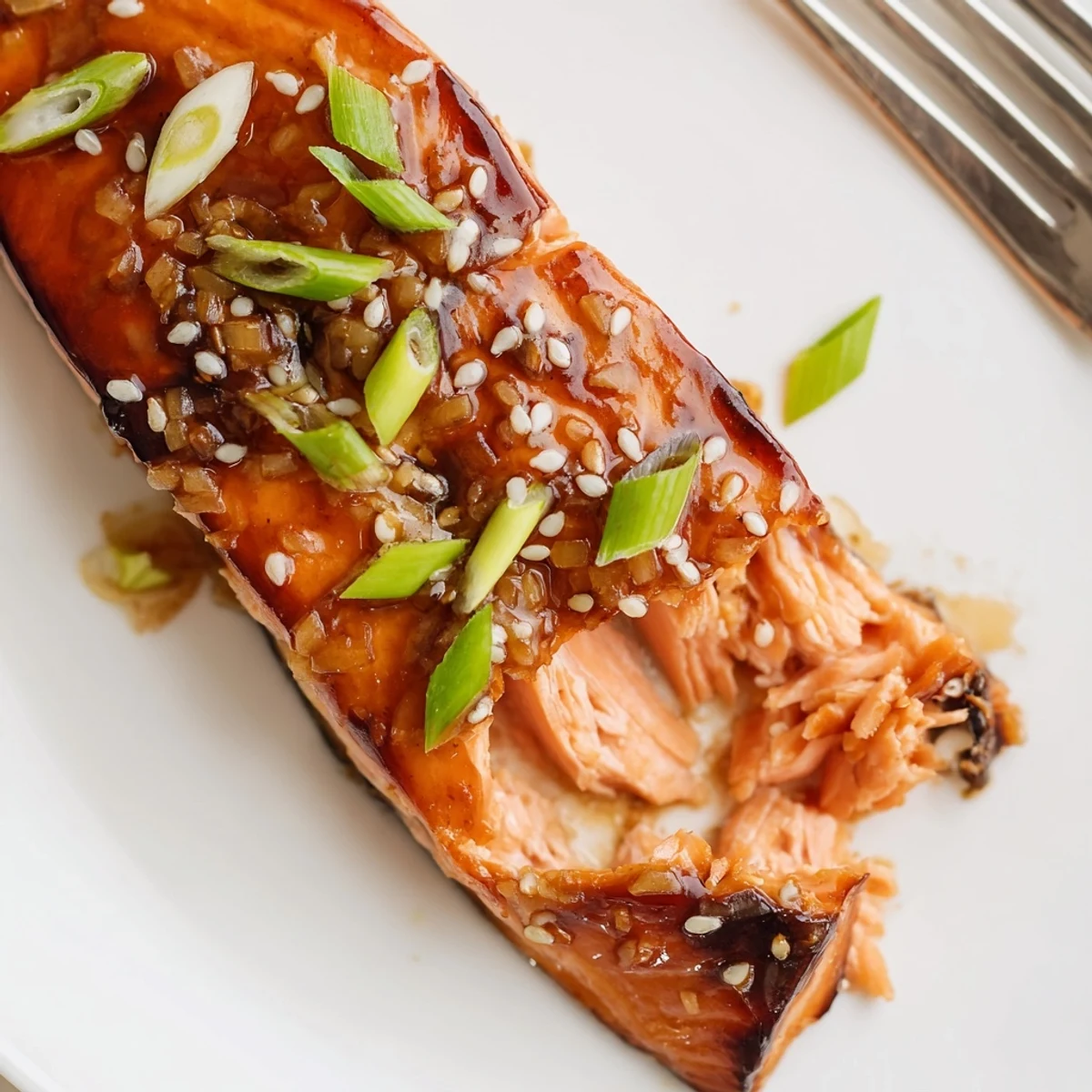
Save The first time I served this alongside jasmine rice and quick sauteed bok choy, the whole table went quiet except for the sound of forks scraping plates. It was one of those meals that felt like a small victory without any effort at all.
What to Serve Alongside
Steamed jasmine rice soaks up every drop of that extra glaze pooling on the plate, and I consider it essential rather than optional. Sauteed bok choy with a splash of soy sauce or a crunchy Asian slaw both work beautifully as companions.
Storage and Reheating
Leftovers keep in an airtight container in the fridge for up to two days, though the texture is never quite as magical as fresh from the oven. Reheat gently at a low temperature so the salmon does not dry out and the glaze does not burn.
Getting It Right Every Time
Start checking the salmon at the fifteen minute mark because every oven runs differently and overcooked salmon is a tragedy worth avoiding. The center should be just barely translucent when you remove it, since carryover heat will finish the job.
- Pull the fish out one minute before you think it is done.
- Always reserve a little glaze for finishing.
- Let the salmon rest two minutes before serving so the juices settle.
 Save
Save This recipe is proof that a handful of pantry staples and fifteen minutes in the oven can produce something that feels like a celebration. Make it once and it will become the dish you reach for when you want dinner to impress without any stress.
Common Questions
- → How do I know when the salmon is fully cooked?
-
The salmon is done when it flakes easily with a fork and reaches an internal temperature of 63°C (145°F). Avoid overcooking to keep it moist and tender.
- → Can I marinate the salmon ahead of time?
-
Yes, you can marinate the salmon for up to 30 minutes in the fridge. Avoid marinating longer than that, as the acid in the glaze can start to break down the fish texture.
- → What can I substitute for soy sauce?
-
Coconut aminos work as a soy-free alternative. For a gluten-free version, simply use tamari or certified gluten-free soy sauce.
- → Should I use skin-on or skinless salmon fillets?
-
Both work well. Skin-on fillets help retain moisture during baking and crisp up nicely. If using skinless, the glaze penetrates more evenly throughout the fish.
- → How do I get a crispy top on the salmon?
-
After baking, switch your oven to broil for an additional 2 minutes. Watch carefully to avoid burning the glaze. This creates a caramelized, slightly crispy surface.
- → What sides pair well with this Asian salmon?
-
Steamed jasmine rice, sautéed bok choy, stir-fried vegetables, or an Asian-inspired slaw complement the flavors beautifully. Keep sides simple to let the salmon shine.