
 Save
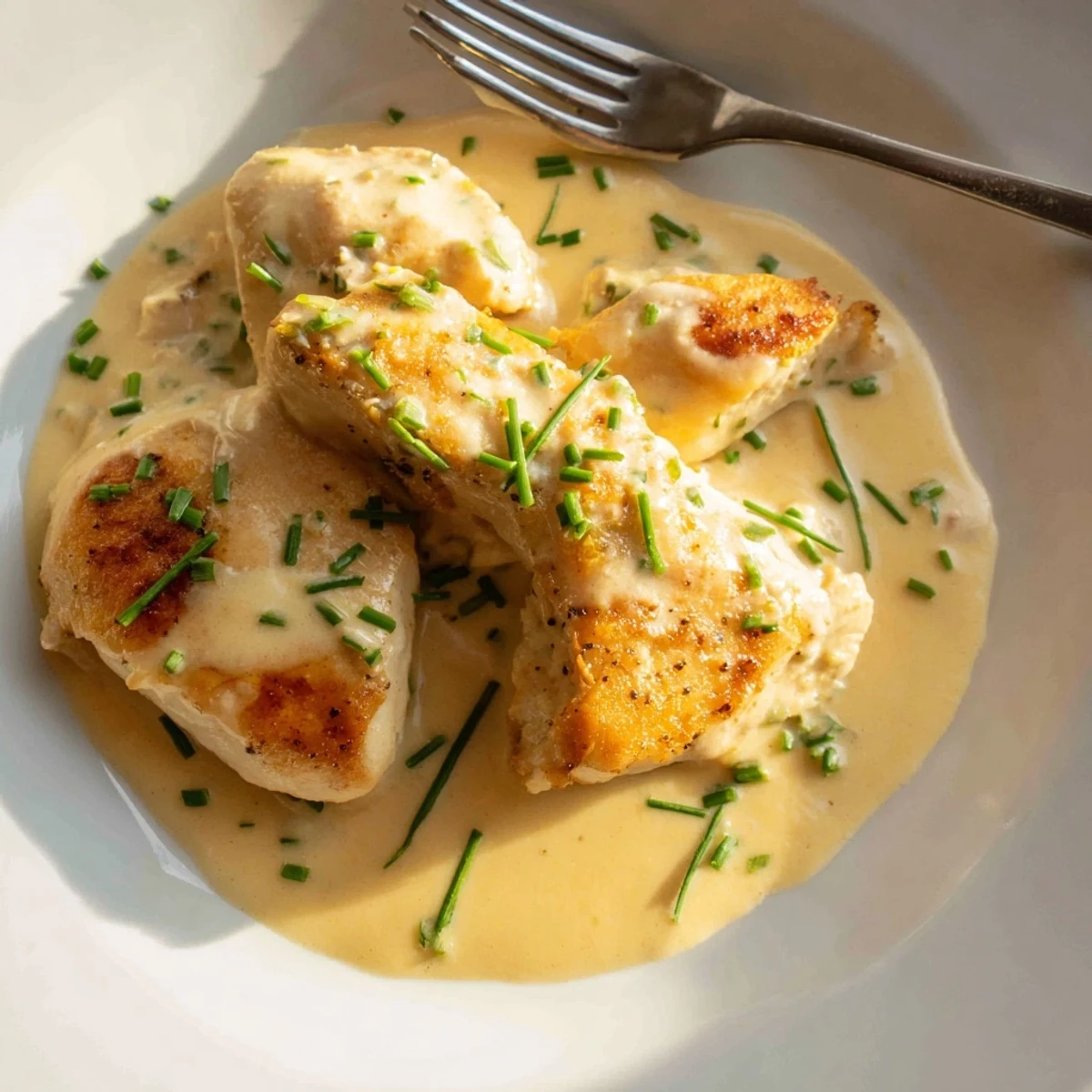
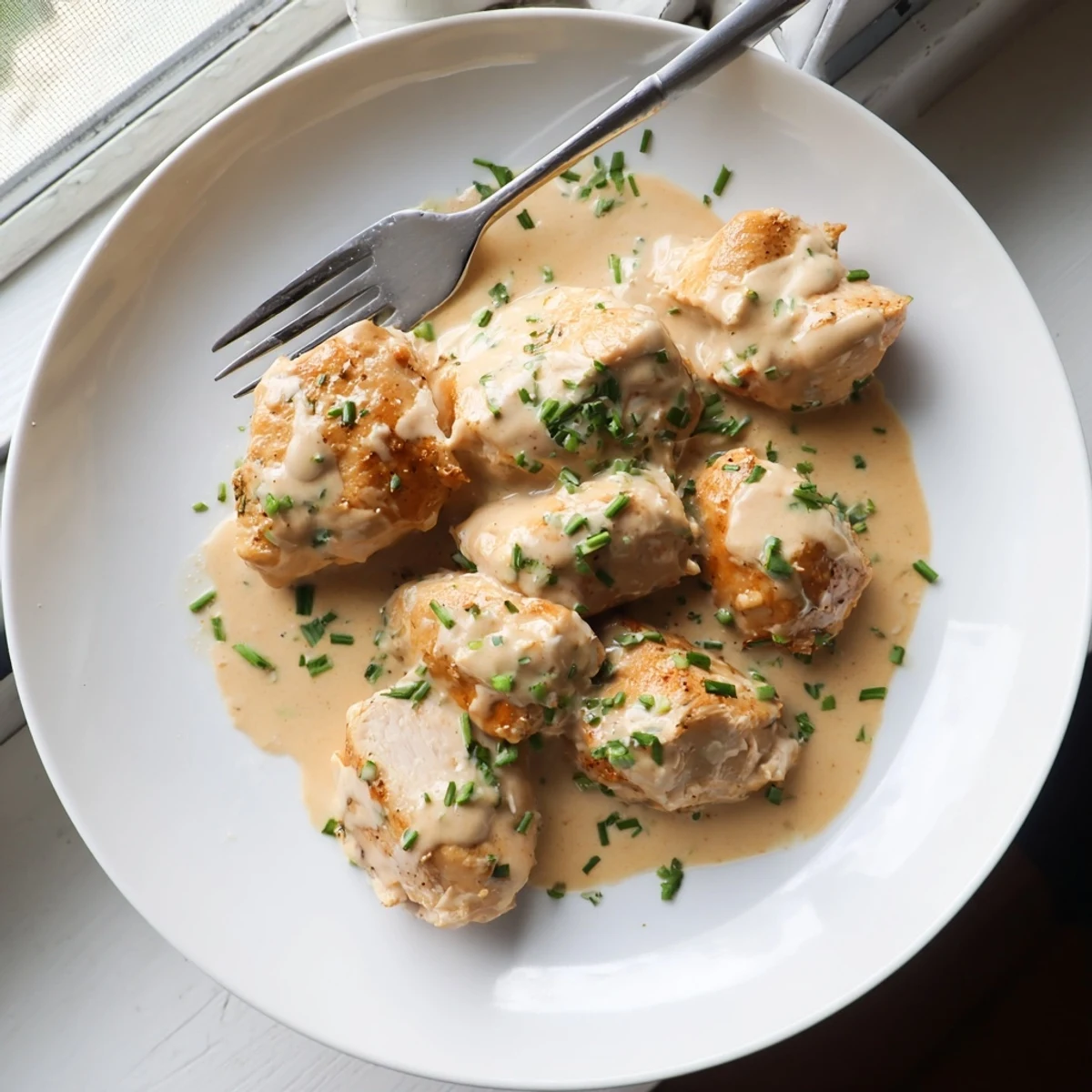
Save Tender, golden-seared chicken breasts nestled in a velvety Boursin cheese sauce bursting with garlic and fresh herbs. This French-inspired dish comes together in just 40 minutes, making it an ideal choice for both weeknight dinners and special occasions.
The creamy sauce, built with heavy cream, chicken broth, and a full package of Boursin with garlic and fine herbs, coats every bite with rich, savory flavor. A handful of fresh chives and parsley brighten the dish, while a splash of white wine pairs perfectly alongside.
The smell of garlic hitting butter in a hot pan is one of those things that makes everyone in the house wander toward the kitchen with questions they already know the answer to. I threw this Boursin sauce together one rainy Tuesday when the fridge offered nothing but chicken breasts and a forgotten wheel of cheese, and it turned into the kind of meal that silently rewrites your weeknight rotation. Creamy, herbed, and just rich enough to feel like you tried way harder than you did.
My partner stood in the kitchen doorway holding a glass of wine, watching me scrape up the golden bits from the skillet, and said nothing except dinner smells like a French bistro and I am not mad about it. That plate got cleaned in about six minutes.
Ingredients
- 4 boneless skinless chicken breasts: Try to buy them roughly the same size so they finish cooking at the same time without any wrestling.
- Half teaspoon salt and quarter teaspoon black pepper: A simple season here lets the sauce carry all the personality.
- 1 tablespoon olive oil: Just enough to get a good sear going without crowding the flavor.
- 1 package Boursin cheese with garlic and fine herbs (150g): This is the star, so grab the classic version and do not substitute unless you want a fundamentally different dish.
- Half cup heavy cream (120ml): Whole milk works in a pinch but the sauce will be thinner and less velvety.
- Quarter cup chicken broth (60ml): Helps deglaze the pan and thins the cheese just enough to become a proper sauce.
- 2 cloves garlic minced: Fresh only please, the jarred stuff tastes flat next to real Boursin.
- 1 tablespoon unsalted butter: You want unsalted here because the cheese already brings plenty of salt to the party.
- 1 teaspoon fresh chives finely chopped plus extra for garnish: Snip them with scissors right over the pan for the freshest result.
- 1 teaspoon fresh parsley finely chopped: Flat leaf parsley has a cleaner taste than curly for this kind of sauce.
Instructions
- Dry and season the chicken:
- Grab paper towels and pat each breast completely dry, then season both sides with salt and pepper. Dry chicken means a better sear, so do not skip this step even if you are hungry and impatient.
- Sear until golden:
- Heat olive oil in a large skillet over medium heat and lay the chicken in without crowding. Cook for five to six minutes per side until you get a deep golden crust and the centers are cooked through, then move them to a plate and tent loosely with foil.
- Wake up the garlic:
- In the same skillet with all those gorgeous leftover bits, melt the butter over medium heat and add the minced garlic. Stir for about one minute until your kitchen smells absolutely incredible but nothing has browned.
- Build the sauce base:
- Pour in the chicken broth and heavy cream, stirring gently to lift every caramelized bit off the bottom of the pan. Those stuck on pieces are concentrated flavor and you want every bit of them in your sauce.
- Melt in the Boursin:
- Drop the whole round of Boursin into the skillet and break it apart with your spoon, stirring patiently until it melts into a smooth creamy sauce. It might look chunky for a moment but keep going and it will come together beautifully.
- Add the fresh herbs:
- Stir in the chopped chives and parsley, then let everything simmer gently for two to three minutes until the sauce coats the back of a spoon. Watch it closely because cream sauces can go from perfect to too thick in a hurry.
- Bring it all together:
- Slide the chicken breasts back into the skillet and spoon sauce over the top, letting them warm through for another two to three minutes. The chicken drinks up the sauce while it rests and everything becomes one harmonious dish.
- Serve with generosity:
- Plate the chicken and ladle extra sauce over each portion, then finish with a scatter of fresh snipped chives. This is the kind of dish that looks like it came from a restaurant kitchen but honestly took you less than an hour.
 Save
Save I have made this for dinner parties where nobody believed it was a weeknight recipe, and I have made it in sweatpants standing alone at the stove at eight pm. Both versions taste exactly the same, and both are perfect.
What to Serve Alongside
Roasted baby potatoes tossed in olive oil and rosemary are the easiest match because they soak up any extra sauce on the plate. Steamed green beans with a squeeze of lemon add just enough brightness to cut through the richness without competing for attention.
Making It Your Own
A handful of sauteed mushrooms tossed into the sauce turns this into something that feels deeply autumnal, and a few big pinches of baby spinach wilted at the end add color without any real effort. The recipe forgives almost any addition as long as you keep the Boursin front and center.
A Few Last Thoughts
Keep a crisp Chardonnay chilled nearby because it cuts through the cream in a way that feels intentional and correct. This is one of those recipes you will memorize after making it twice.
- If the sauce gets too thick off the heat, stir in a splash of broth to loosen it back up.
- Leftovers reheat gently in a skillet over low heat, never the microwave at full blast.
- Always check the Boursin label for allergens since formulations can vary by region.
 Save
Save Serve this to someone you love on a random Wednesday and watch their face change when they take the first bite. Some meals are about special occasions, but this one is about making an ordinary night feel like it matters.
Common Questions
- → Can I use Boursin with different flavor varieties?
-
Absolutely. While Boursin with garlic and fine herbs is classic here, you can experiment with Boursin Shallot and Chive, Black Pepper, or even the cranberry variety for a slightly sweet twist. Each will give the sauce a unique flavor profile while maintaining the same creamy consistency.
- → How do I know when the chicken is fully cooked?
-
The most reliable method is using a meat thermometer—chicken breasts are done when the internal temperature reaches 165°F (74°C). Visually, the juices should run clear and the meat should be opaque throughout with no pink centers. A 5–6 minute sear per side over medium heat typically works for standard-sized breasts.
- → What can I substitute for heavy cream in the sauce?
-
Half-and-half is the easiest swap for a lighter sauce, though it will be slightly less thick. For a dairy-free alternative, full-fat coconut cream works well and adds a subtle sweetness that complements the garlic and herbs. You could also use a mixture of cream cheese and chicken broth to maintain richness with slightly less fat.
- → What side dishes pair well with this dish?
-
Roasted baby potatoes or a buttery potato purée are natural companions that soak up the extra sauce beautifully. Steamed or sautéed green beans, roasted asparagus, or a simple mixed green salad with vinaigrette provide a fresh contrast. Crusty bread is also excellent for sopping up every last bit of that creamy Boursin sauce.
- → Can I make this ahead and reheat it?
-
Yes, this dish reheats well. Store the chicken and sauce together in an airtight container in the refrigerator for up to 3 days. Reheat gently in a skillet over low heat, adding a splash of chicken broth or cream to loosen the sauce if it has thickened too much. Avoid microwaving on high, as it can make the chicken rubbery and cause the sauce to separate.
- → Is this dish gluten-free?
-
Yes, as written this dish is naturally gluten-free. The sauce relies on Boursin cheese and cream for thickness rather than a flour-based roux. However, always double-check the labels on your Boursin cheese and chicken broth, as some brands may include gluten-containing additives or thickeners.