
 Save
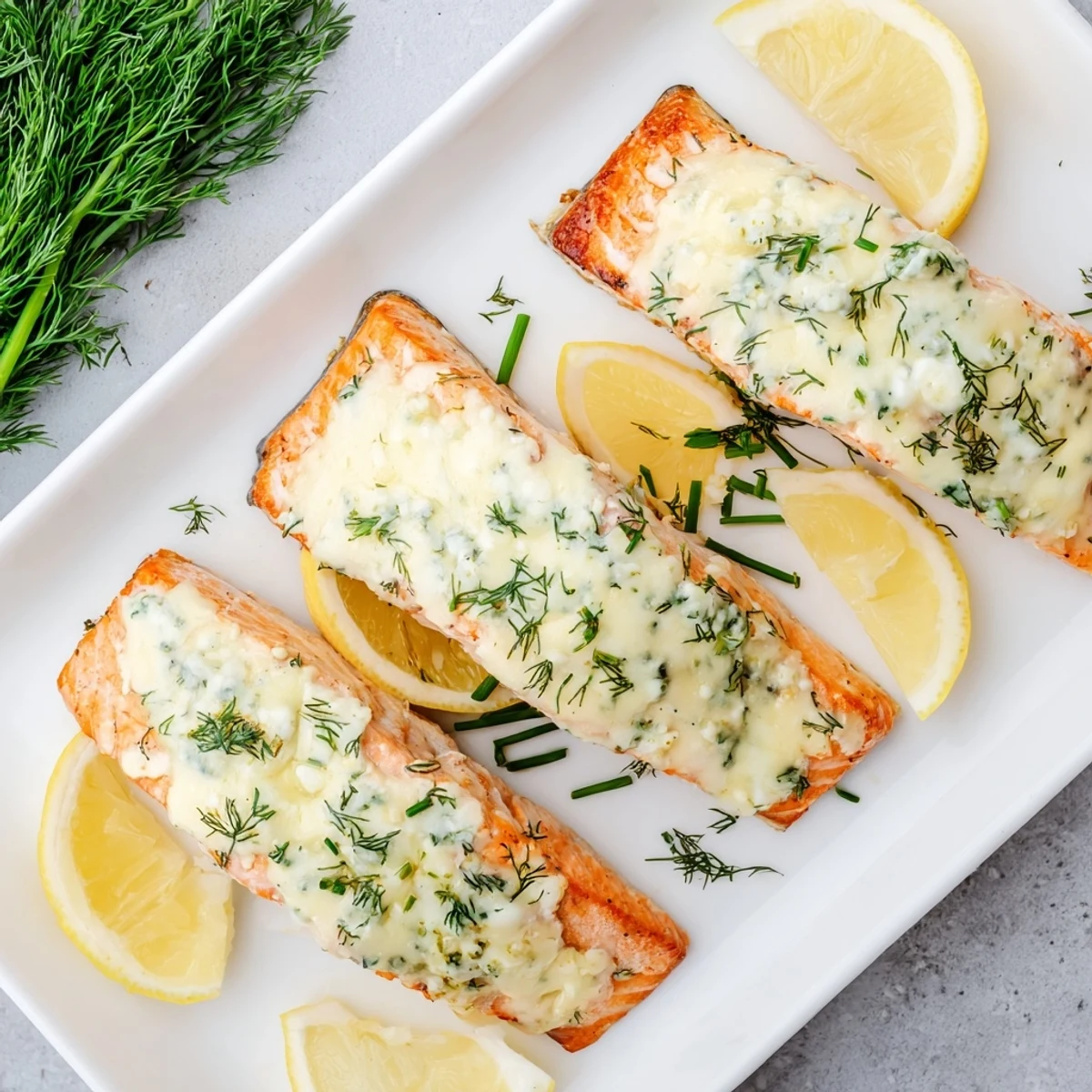
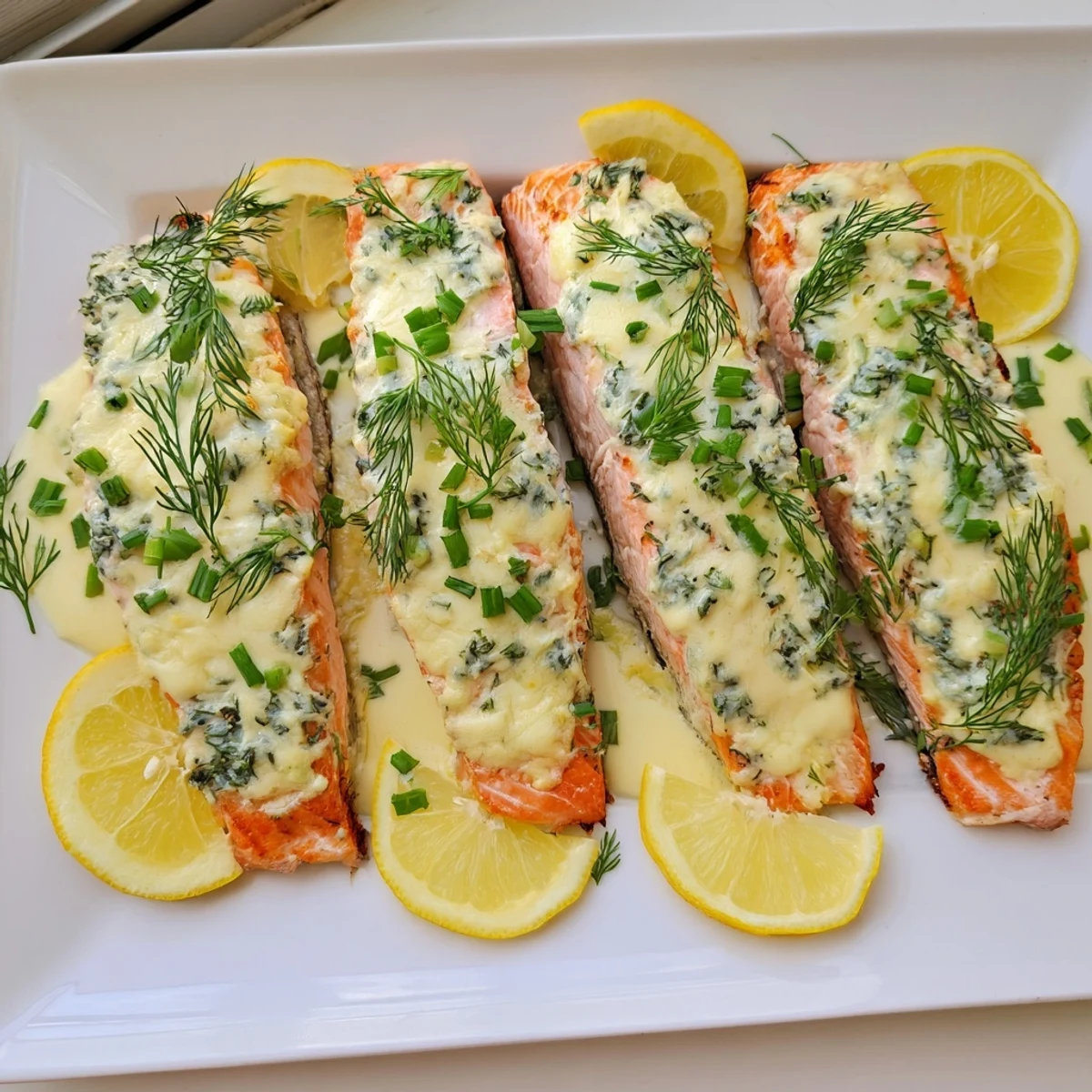
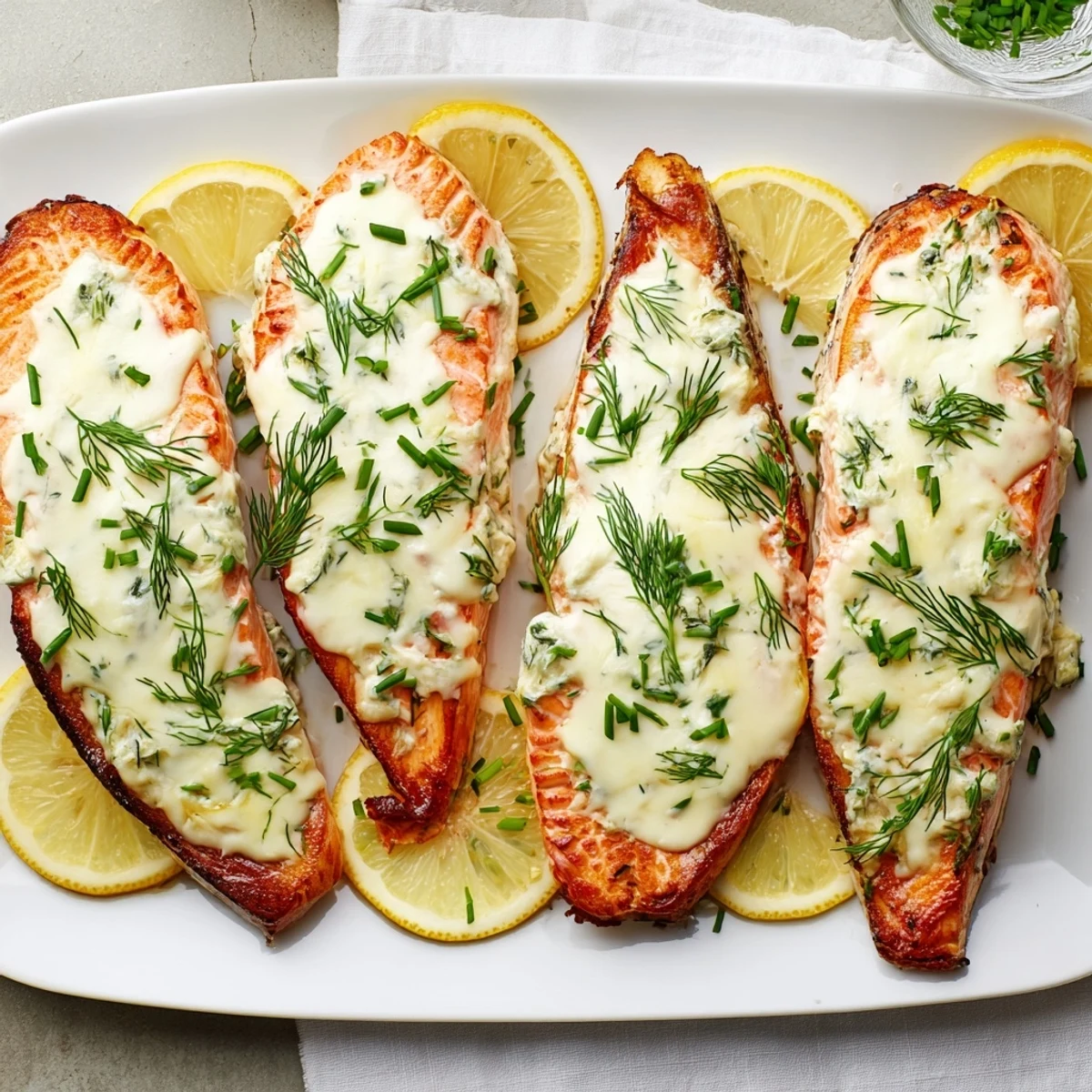
Save Transform fresh salmon into an elegant main dish with just 10 minutes of prep. The fillets get generously topped with a velvety blend of Boursin garlic and herb cheese mixed with heavy cream, then baked at 400°F for 15-20 minutes until the fish flakes easily and the cheese turns golden and bubbly.
Fresh lemon slices add bright acidity while chives and dill provide a colorful finish. The result is irresistibly rich and creamy on the inside with a beautifully caramelized topping. Pair with roasted vegetables, a crisp green salad, or steamed rice for a complete meal that looks stunning on the plate.
The first time I made this Baked Boursin Salmon, my kitchen smelled incredible. I had picked up a wheel of Boursin on impulse at the grocery store, not entirely sure what I would do with it. That evening, I spread it over some salmon fillets I had thawed, and twenty minutes later, dinner was ready. My husband took one bite and asked when I would be making it again.
Last summer, I served this at a small dinner party for friends who claimed they did not like fish. They cleaned their plates and asked for the recipe. The gentle garlic and herbs in the Boursin mellow out the salmon flavor, making it approachable even for skeptical eaters. Now it is my go to when I want to serve something impressive without spending hours in the kitchen.
Ingredients
- 4 salmon fillets: I usually buy skinless for easier serving, but skin on works fine too. Just make sure to pin bones are removed for a pleasant eating experience.
- 1 package Boursin cheese: The garlic and fine herbs variety is perfect here, but the shallot and chive version adds a lovely sweetness if you want to switch things up.
- 2 tbsp heavy cream: This helps thin the Boursin slightly so it spreads evenly over the salmon without tearing the fish.
- 1 small lemon: Thinly sliced, these add bright acidity and look beautiful draped over the cheese topped salmon.
- Fresh herbs: Chives and dill sprinkled at the end add fresh pops of flavor and color against the golden cheese.
- Olive oil: A light coating helps the seasonings stick and promotes even browning.
- Salt and pepper: Essential for bringing out the salmon is natural sweetness.
- Crushed red pepper flakes: Completely optional, but I love the subtle heat that cuts through the rich cheese.
Instructions
- Preheat your oven:
- Set it to 400°F and line a baking sheet with parchment paper for the easiest cleanup ever.
- Prep the salmon:
- Pat the fillets very dry with paper towels and place them skin side down on your prepared baking sheet.
- Season the fish:
- Drizzle with olive oil and sprinkle with salt, pepper, and red pepper flakes if you want a little warmth.
- Make the Boursin mixture:
- Stir the Boursin and heavy cream together until smooth and spreadable, about thirty seconds.
- Top the salmon:
- Spread the cheese mixture generously over each fillet, right to the edges.
- Add the lemons:
- Arrange the lemon slices over the cheese and around the fish on the baking sheet.
- Bake until golden:
- Bake for 15 to 20 minutes until the salmon flakes easily and the cheese is bubbling and lightly browned.
- Finish with fresh herbs:
- Sprinkle with chopped chives and dill right before serving for a bright, fresh finish.
 Save
Save This salmon has become a weekly staple in our house, especially on busy weeknights. I love how something so simple feels special and comforting. The leftovers make an excellent salmon salad for lunch the next day.
Choosing Your Salmon
I have learned that wild caught salmon has a stronger flavor that stands up beautifully to the rich Boursin topping. Farm raised salmon tends to be milder and fattier, which also works wonderfully here. Either way, look for fillets that are bright in color and smell fresh, not fishy. Frozen salmon works perfectly fine if you thaw it overnight in the refrigerator.
Side Dish Ideas
When I make this for dinner, I usually roast some asparagus or green beans on a separate sheet pan alongside the salmon. A simple arugula salad with lemon vinaigrette adds nice peppery contrast. For something more substantial, buttery mashed potatoes or steamed jasmine rice are perfect for soaking up the extra Boursin sauce.
Making It Your Own
Once you master the basic recipe, try swapping in different Boursin flavors. The pepper variety adds a gentle kick, while the caramelized onion version brings a sweet, savory depth. I have also added sun dried tomatoes or capers directly into the cheese mixture for extra layers of flavor. The technique is foolproof, so have fun with it.
- Broil for one to two minutes at the very end for an extra golden, crispy top
- Check the Boursin label if you need this recipe to be gluten free
- Serve with a crisp white wine like Sauvignon Blanc for a perfect pairing
 Save
Save I hope this recipe becomes a favorite in your kitchen too. There is something so satisfying about a recipe that feels elegant but comes together so effortlessly.
Common Questions
- → What makes Boursin cheese special for salmon?
-
Boursin's creamy texture melts beautifully over salmon, while its blend of garlic and fine herbs infuses the fish with French-inspired flavor. The cheese creates a luxurious crust that keeps the salmon moist during baking.
- → Can I use frozen salmon fillets?
-
Yes, thaw frozen salmon completely in the refrigerator overnight and pat dry before proceeding. Excess moisture prevents proper seasoning adherence and can make the cheese topping slide off during baking.
- → How do I know when the salmon is done?
-
Insert a fork into the thickest part of the fillet and twist gently. The salmon is ready when it flakes easily and the flesh turns opaque throughout. The internal temperature should reach 145°F for safe consumption.
- → What other Boursin flavors work well?
-
Try pepper Boursin for a spicy kick or shallot & chive variety for deeper savory notes. Each flavor adds a unique twist while maintaining the creamy, rich texture that makes this dish exceptional.
- → Can I prepare this ahead of time?
-
Season and arrange salmon on the baking sheet up to 4 hours before cooking, refrigerating covered. Add the cheese mixture just before baking to prevent it from softening too much and losing its shape.