
 Save
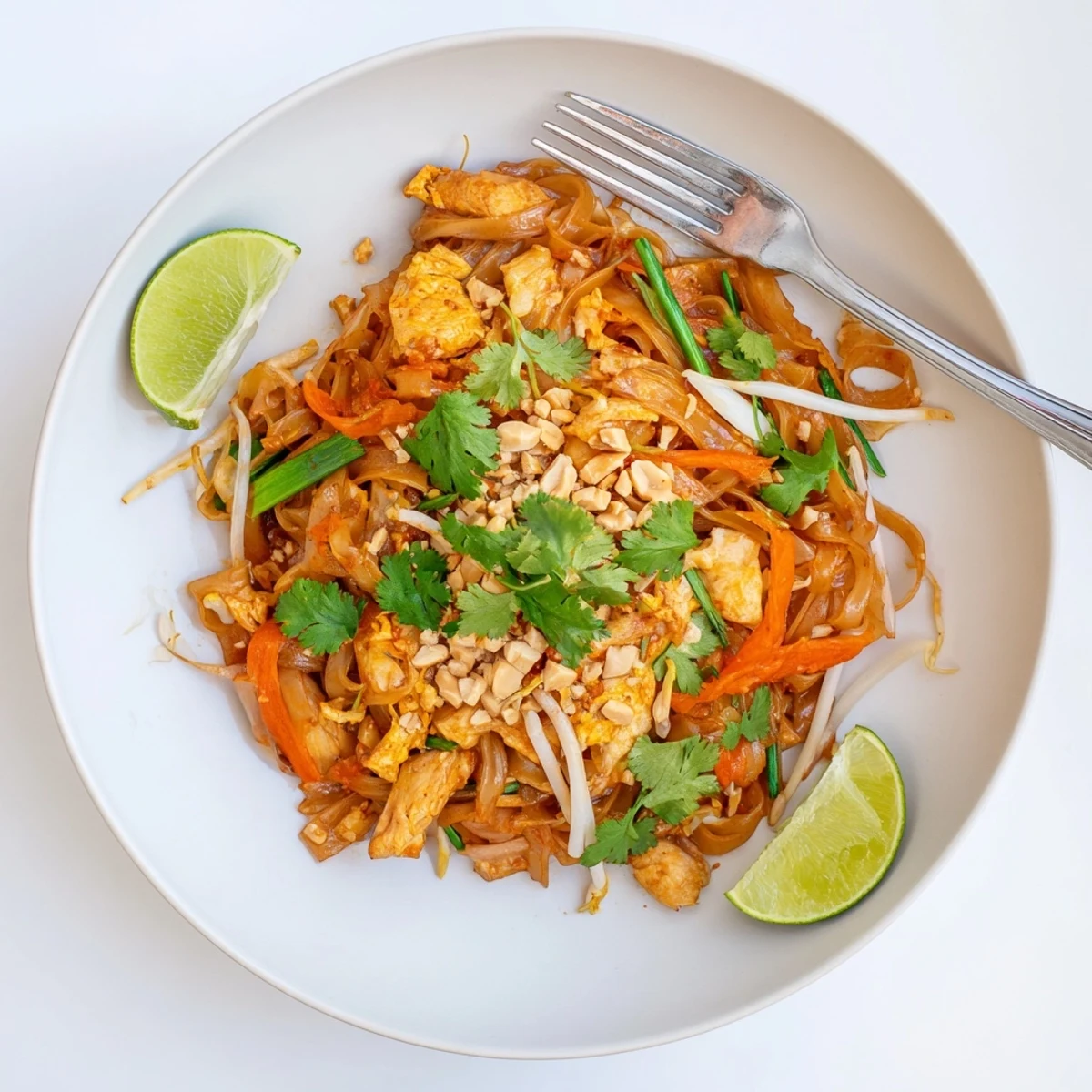
Save This classic Thai stir-fry combines tender chicken slices with wide rice noodles in a perfectly balanced tangy-sweet tamarind sauce. The dish comes together in 40 minutes, featuring crisp bean sprouts, fragrant garlic and shallots, and finished with crushed roasted peanuts, fresh cilantro, and zesty lime wedges.
Perfect for home cooks seeking authentic Thai flavors, this dish balances savory fish sauce, sour tamarind, and sweet palm sugar for that distinctive Pad Thai taste. Adjust the heat with chili flakes and customize with your favorite garnishes.
The steam that rises from a properly made pad thai carries this impossible balance of sour, sweet, and savory that hits you before you even pick up your fork. My first attempt years ago resulted in a gloopy, stuck-together mess because I refused to believe noodles could cook that fast. Now I keep everything prepped in little bowls like they do in street stalls, the sauce mixed and waiting, the aromatics minced and ready to hit hot oil.
My friend Nong visited last winter and watched me make pad thai, immediately pointing out that I was babying the noodles too much. She told me to trust the heat, let them develop a slight char, and stop worrying about breaking a few strands. That dinner became the benchmark, the version I find myself craving on rainy evenings when takeout feels too far away.
Ingredients
- 400 g boneless chicken breast or thighs, thinly sliced: Thighs stay juicier in high heat but breast works fine if you are watching fat, just do not overcook it
- 2 large eggs: Room temperature eggs scramble better in the hot wok and create those golden ribbons throughout the noodles
- 250 g dried flat rice noodles: The quarter inch width is traditional and stands up to tossing, avoiding the mushy disaster of thinner varieties
- 3 tbsp fish sauce: This provides the deep salty backbone that soy sauce alone cannot achieve
- 2 tbsp tamarind paste: The essential sour note that makes pad thai taste like pad thai, not just sweet noodles
- 2 tbsp palm sugar or light brown sugar: Palm sugar caramelizes beautifully but brown sugar is a perfectly fine substitute
- 1 tbsp soy sauce: Adds depth and that gorgeous reddish brown color to the finished dish
- 3 tbsp vegetable oil, divided: You need enough fat to keep everything from sticking and to carry those aromatic flavors
- 3 garlic cloves, minced: Fresh garlic is non negotiable here, the jarred stuff disappears too fast in high heat
- 1 small shallot, finely chopped: Shallots give a milder, sweeter note than onions and cook down faster
- 100 g bean sprouts: Add these at the very end so they stay crisp and fresh
- 2 spring onions: Using the white parts for cooking and greens for garnish gives you two different flavor profiles
- 1 small carrot, julienned: Optional but adds lovely color and a subtle sweetness that balances the sauce
- 60 g roasted unsalted peanuts: The crunch is essential and unsalted lets you control the overall seasoning
- 1 lime, cut into wedges: Fresh lime squeezed over at the end wakes up all the other flavors
- Fresh cilantro leaves: Toss these on at the end so they stay bright and do not turn slimy
- Chili flakes: Let people add their own heat at the table so everyone gets exactly what they want
Instructions
- Prepare the noodles:
- Soak rice noodles in warm water for 20 to 30 minutes until they bend easily but still have some bite in the center, then drain them well
- Mix the sauce:
- Whisk together fish sauce, tamarind paste, sugar, and soy sauce until the sugar completely dissolves into a smooth liquid
- Cook the chicken:
- Heat half the oil in a wok over medium high heat, add chicken, and stir fry until just cooked through, then remove it and set aside
- Bloom the aromatics:
- Add remaining oil to the hot wok, toss in garlic and shallot, and stir for 30 seconds until the smell fills your kitchen
- Scramble the eggs:
- Push everything to the sides, crack eggs into the center, and scramble quickly until just set but still soft
- Combine everything:
- Add drained noodles and sauce, toss constantly to coat every strand, then return chicken along with bean sprouts, spring onion whites, and carrot, and stir fry for 2 to 3 minutes until noodles are tender and sauce clings to them
- Finish and serve:
- Remove from heat immediately, pile into bowls, and top with peanuts, spring onion greens, cilantro, and lime wedges
 Save
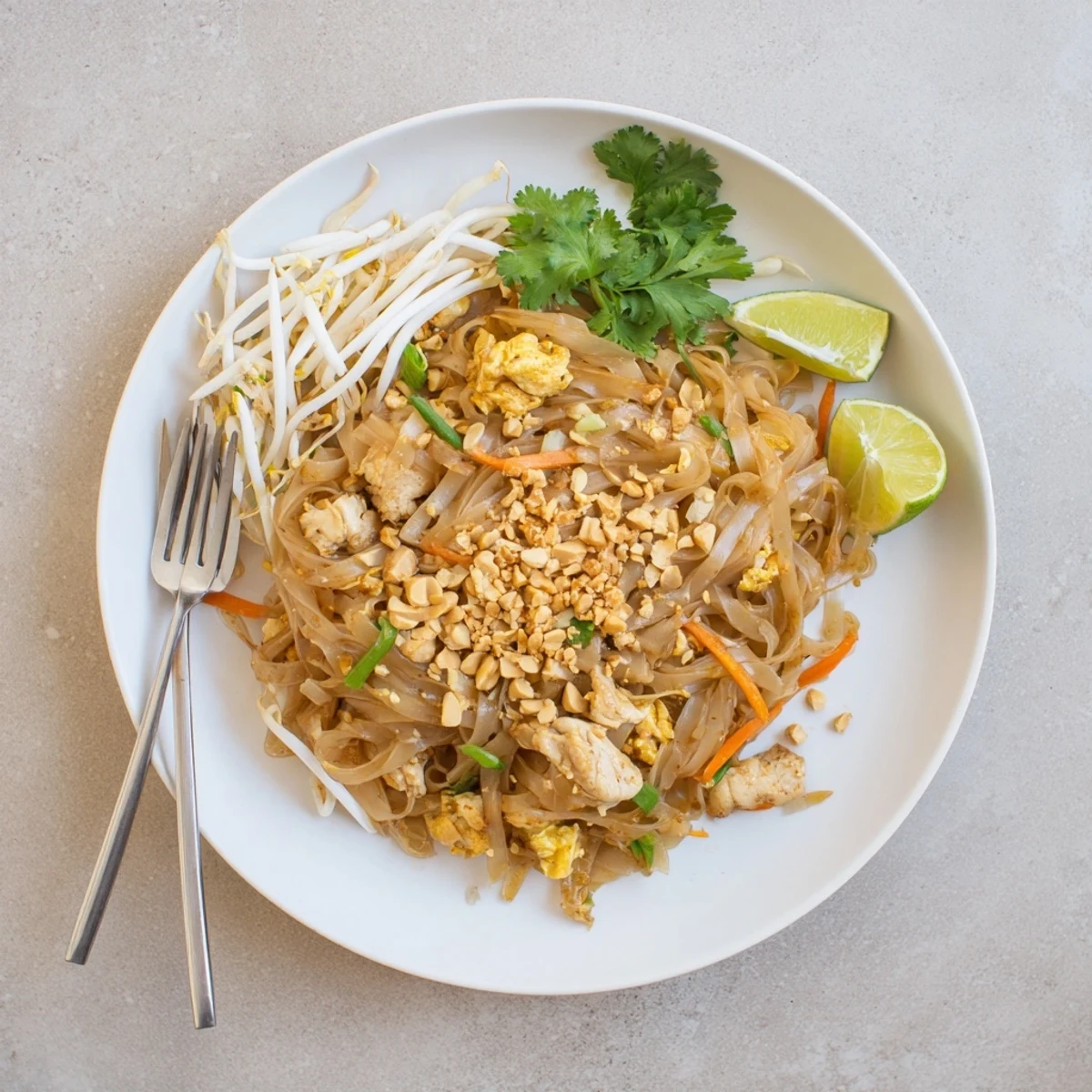
Save Something magical happens when you squeeze that final lime over the bowl, the acid lifting all the other flavors and making each bite feel complete. This is the dish that taught me good cooking is often about balance rather than complexity, about trusting your nose and timing more than exact measurements.
Getting the Noodle Texture Right
The most common mistake is either under soaking the noodles so they stay crunchy in the middle, or leaving them too long so they turn to mush the moment they hit the wok. You want them pliable but still slightly firm, like al dente pasta, because they will finish cooking in the sauce.
Making It Vegetarian
Firm tofu pressed and cut into cubes works beautifully here, just give it a quick sear before removing it from the pan. Swap fish sauce for extra soy sauce or a vegetarian fish sauce alternative, though the flavor profile will shift slightly.
Building Your Flavor Profile
Start with the sauce as written, then adjust to your taste next time. Some days I want it more sour with extra tamarind, other days I crave the sweetness of additional palm sugar.
- Keep crushed peanuts at the table for adding more crunch
- Have extra chili flakes handy for heat lovers
- Never skip the fresh lime finish
 Save
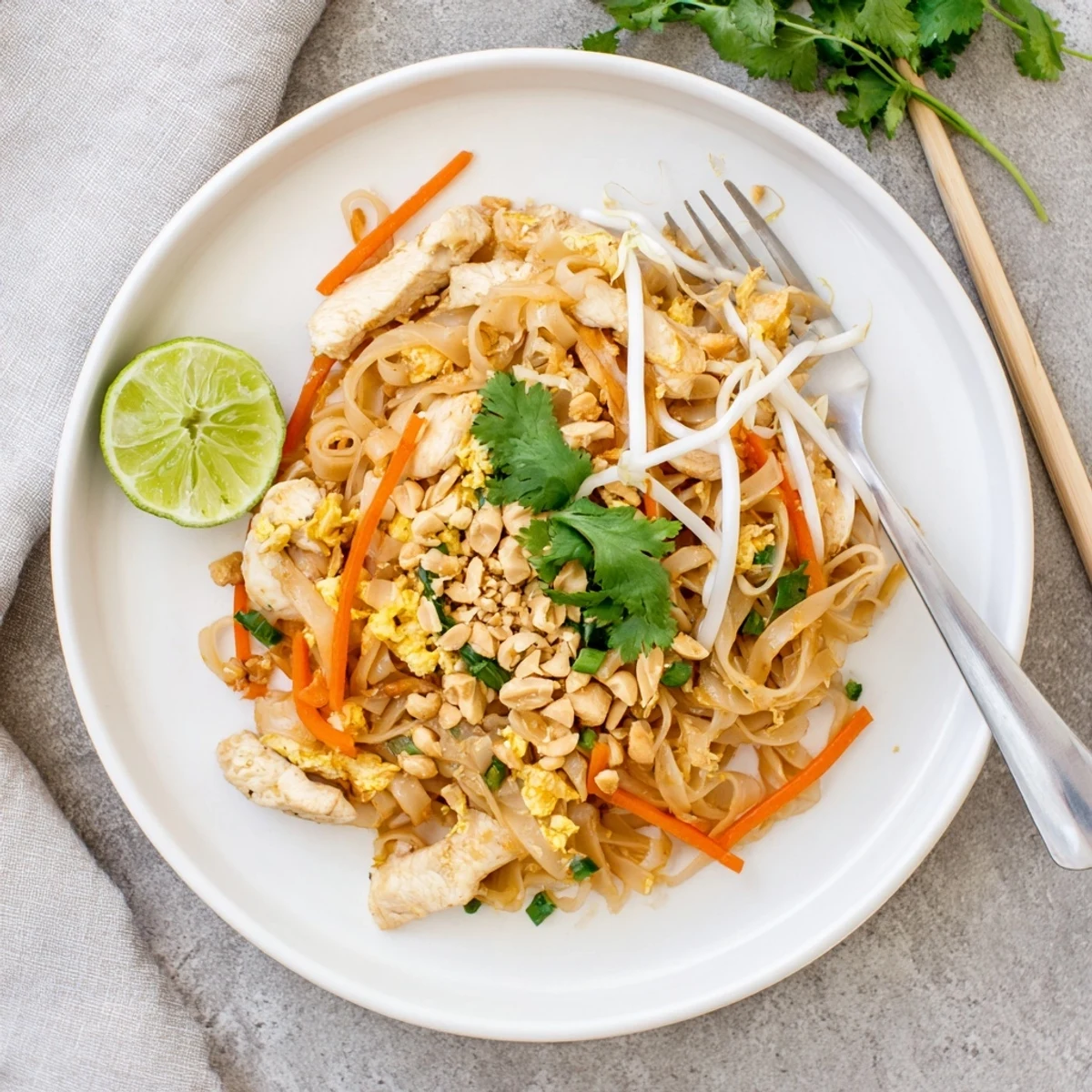
Save There is something deeply satisfying about a dish that comes together this quickly yet tastes so complex, like you have been simmering it for hours when really it was minutes.
Common Questions
- → How do I prevent rice noodles from sticking together?
-
Soak noodles in warm water until pliable but not mushy, then drain thoroughly. Keep them moving in the wok and toss constantly with sauce to prevent clumping. Avoid over-soaking as this makes them too soft and sticky.
- → Can I make this dish vegetarian?
-
Absolutely. Replace chicken with firm tofu cubes and substitute fish sauce with additional soy sauce or a vegetarian fish sauce alternative. The cooking method remains the same, resulting in equally delicious plant-based version.
- → What's the best way to achieve authentic tangy flavor?
-
The key is balancing tamarind paste with palm sugar and fish sauce. Tamarind provides essential sour notes while palm sugar adds depth. Adjust ratios to taste—more lime juice and tamarind for extra tang, more sugar for sweetness.
- → Why is my dish missing that restaurant-quality taste?
-
Authentic flavor comes from proper wok heating and fresh ingredients. Use high heat for stir-frying, ensure your garlic and shallots are aromatic before adding noodles, and don't skip the fresh lime squeeze just before serving.
- → Can I prepare the sauce in advance?
-
Yes, mix the fish sauce, tamarind paste, sugar, and soy sauce ahead of time and store refrigerated for up to a week. This actually helps flavors meld. Bring to room temperature before cooking for easier incorporation.
- → What type of noodles work best for Pad Thai?
-
Flat rice noodles approximately ¼ inch wide are traditional. These medium-width noodles hold sauce well while maintaining pleasant chew. Look for dried rice noodles labeled specifically for Pad Thai or sen chan at Asian markets.