
 Save
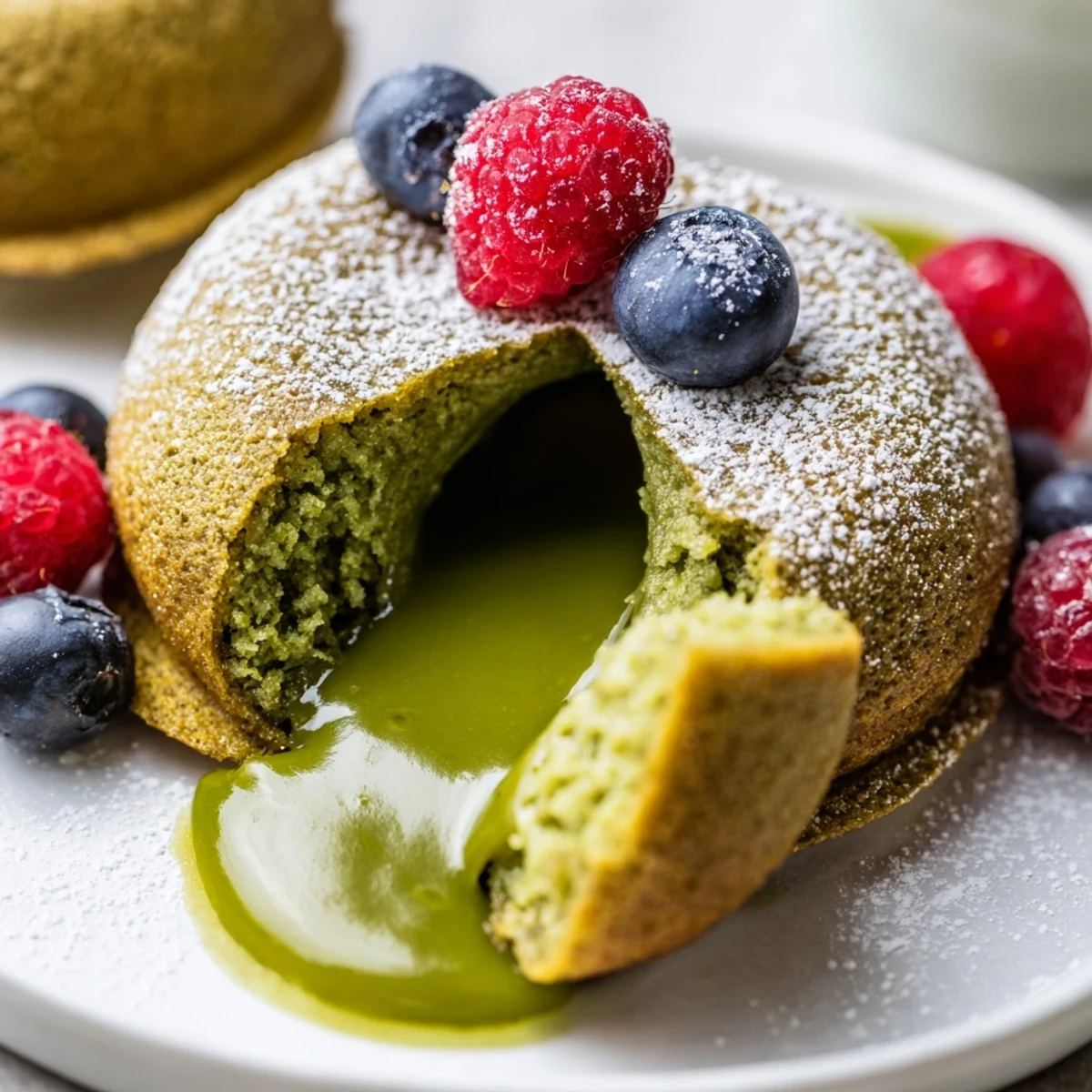
Save These elegant individual portions combine the earthy complexity of Japanese green tea with the creamy sweetness of white chocolate. The exterior bakes into a tender sponge while the center remains gloriously molten and vibrant green.
Perfect for dinner parties or special occasions, these fusion desserts require just 15 minutes of active preparation before a quick 12-minute bake. The high-temperature method creates the signature texture contrast—set edges with a flowing, pudding-like middle.
Serve immediately after inversion while centers are still warm and molten. A dusting of powdered sugar and fresh berries provides brightness and visual appeal, though vanilla ice cream makes an excellent accompaniment for those seeking extra indulgence.
The moment I cut into that first matcha lava cake, watching the vibrant green center spill onto the plate like liquid emerald, I knew this dessert was something special. My dinner guests went completely silent, forks suspended in midair, as the earthy aroma of Japanese green tea filled the room.
I first attempted these for a small dinner party during cherry blossom season, wanting to capture something of that fleeting Japanese spring magic. The timing was everything—pull them from the oven too soon and they collapse, too late and you lose that glorious molten center. My third batch was the charm, and watching my friends close their eyes with that first bite told me I had nailed it.
Ingredients
- 2 tablespoons matcha green tea powder: Culinary grade gives you that vibrant green color and earthy flavor without the bitterness of ceremonial grades, which can overwhelm delicate desserts
- 1/2 cup all-purpose flour: Provides just enough structure to hold the cake together while still allowing that signature lava flow center
- 1/4 teaspoon salt: A tiny pinch that makes all the difference in intensifying the matchas natural complexity
- 1/2 cup unsalted butter: Room temperature butter creates that tender, velvety crumb that distinguishes great lava cakes from rubbery ones
- 4 oz white chocolate: The secret weapon that bridges the gap between matchas earthiness and the desserts sweetness—do not skip or substitute
- 2 large eggs plus 2 yolks: The extra yolks add richness while the whole eggs provide structure for that perfect lava texture
- 1/2 cup granulated sugar: Just enough to sweeten without masking the sophisticated matcha flavor profile
- 1 teaspoon pure vanilla extract: Rounds out the earthy notes and adds a comforting, familiar warmth
Instructions
- Prepare your ramekins with love:
- Generously butter four 6-ounce ramekins, getting into every corner and crevice, then dust with flour and tap out any excess—this ensures your cakes release perfectly every time
- Sift your dry ingredients:
- Combine the matcha powder, flour, and salt in a small bowl, sifting them together to eliminate any lumps and aerate the mixture for a lighter texture
- Melt butter and white chocolate:
- Place both in a heatproof bowl over simmering water, stirring gently until completely smooth and glossy, then let it cool slightly so it does not scramble your eggs
- Whisk eggs and sugar until pale:
- Beat the eggs, yolks, and sugar for about 2 minutes until the mixture thickens and becomes foamy—this air incorporation helps create that delicate sponge exterior
- Combine the mixtures:
- Stir the melted chocolate mixture and vanilla into the eggs until well blended, then gently fold in the dry ingredients just until no streaks remain
- Bake to molten perfection:
- Divide batter among prepared ramekins, bake at 425°F for 11 to 13 minutes until edges are set but centers still jiggle slightly, then cool for exactly 1 minute before inverting
 Save
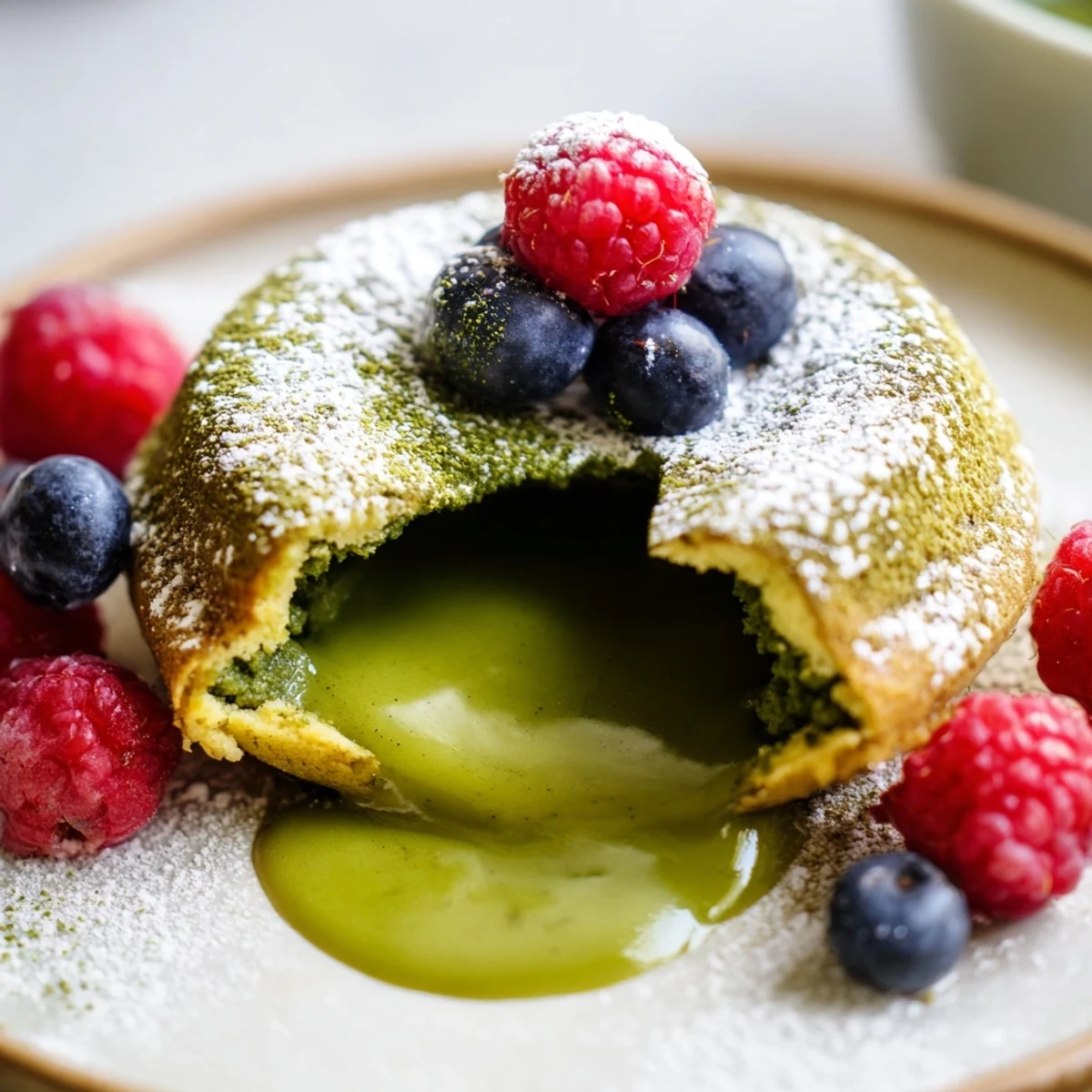
Save These matcha lava cakes have become my go-to dinner party dessert because they feel so indulgent yet surprisingly light. There is something magical about breaking through that sponge layer and watching the green center flow out like edible art—guests always reach for their phones to snap a picture before diving in.
Timing Is Everything
The difference between a molten center and a fully cooked cake is literally 60 seconds in the oven. I learned this the hard way when an interrupted phone call left me with four perfectly delicious but thoroughly cooked matcha cakes. The edges should be firm and pulling away from the ramekin, but the center must still wobble like soft pudding when you gently shake the pan.
The Ramekin Secret
Properly preparing your ramekins is the unsung hero of this recipe. The first time I made these, I skimped on the butter and flour, thinking a light coating would suffice. The cakes stuck stubbornly, and I had to serve them still in the ramekins, which felt like presenting dinner in a to-go container. Now I treat each ramekin like a precious artifact, coating every millimeter thoroughly.
Serving Magic
These cakes demand immediate attention—there is a brief window of about 5 minutes when they are absolutely perfect. The center stays molten and the exterior remains tender, but let them sit too long and they continue cooking from residual heat. I always have my serving plates ready and powdered sugar in a sifter before they even hit the oven.
- Dust with powdered sugar through a fine mesh strainer for that professional pastry-shop finish
- Pair with fresh raspberries or strawberries—their bright acidity cuts through the richness beautifully
- A small scoop of vanilla bean ice cream melting alongside creates an incredible temperature and flavor contrast
 Save
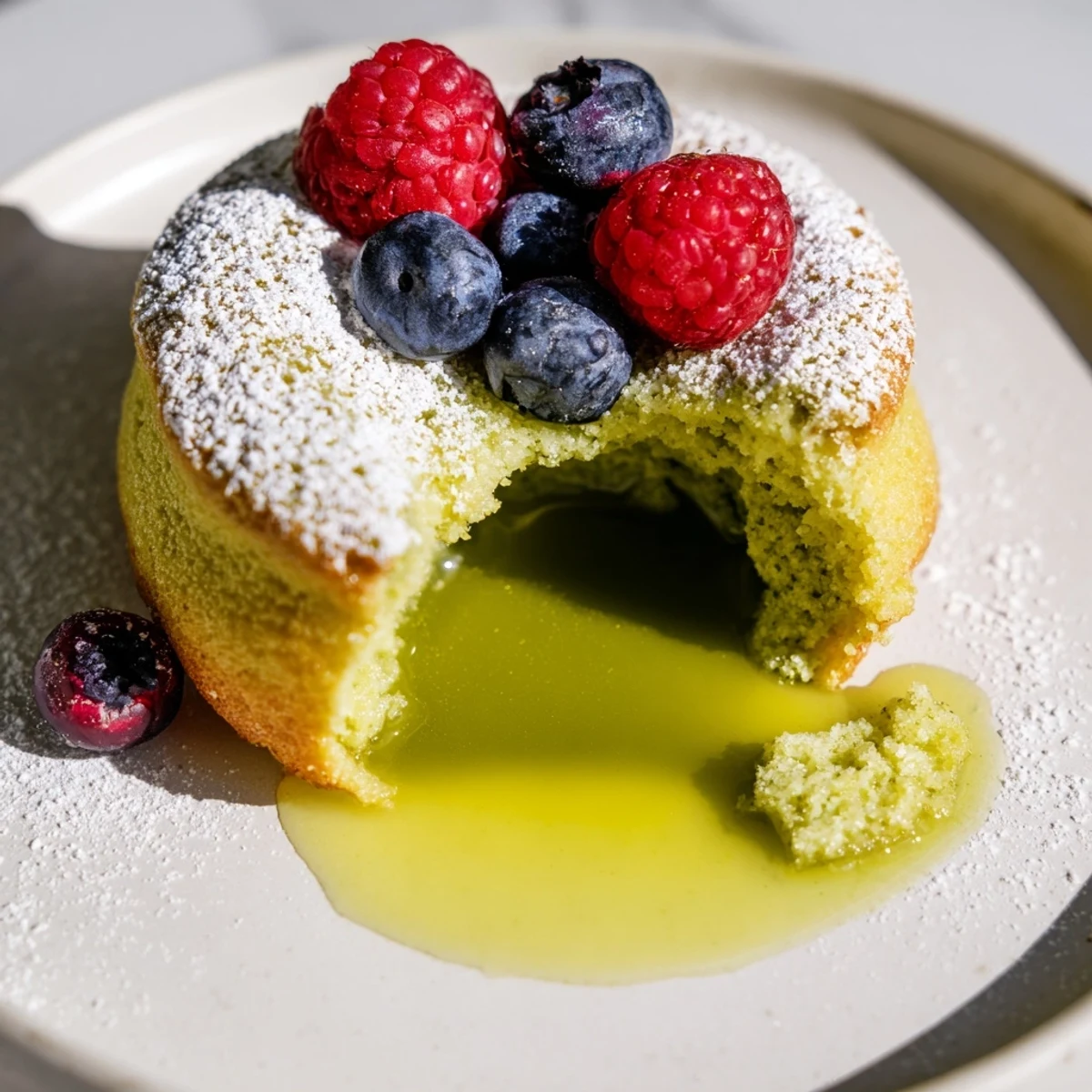
Save These matcha lava cakes have become my secret weapon for dinner parties—impressive enough for special occasions but simple enough for a Tuesday night treat.
Common Questions
- → How do I know when the cakes are done baking?
-
The edges should appear set and firm while the centers remain slightly soft and jiggly. This 11–13 minute range creates the perfect molten texture. Overbaking will result in fully cooked centers without the signature lava effect.
- → Can I prepare the batter ahead of time?
-
For best results, bake immediately after mixing. The batter can be refrigerated for up to 2 hours, but bring to room temperature before baking. Cold batter may require slightly longer cooking time to achieve the molten center.
- → Why is white chocolate specifically required?
-
White chocolate's creamy sweetness perfectly balances matcha's natural earthy bitterness. Milk or dark chocolate would overpower the delicate green tea flavor and alter the desired color profile.
- → What if I don't have ramekins?
-
A muffin tin works as an alternative, though baking time may decrease by 1–2 minutes. Silicone molds also function well. Ensure whatever vessel used can withstand 425°F heat and has roughly 6-ounce capacity.
- → How can I enhance the matcha flavor?
-
Add an extra half tablespoon of matcha powder to the dry ingredients. Be sure to sift thoroughly to prevent clumps. Using ceremonial-grade matcha will yield more vibrant color and complex tea notes.
- → Can these be reheated?
-
While best served fresh, leftovers can be reheated in the microwave for 15–20 seconds. The centers will become molten again, though the texture may be slightly denser than freshly baked versions.