
 Save
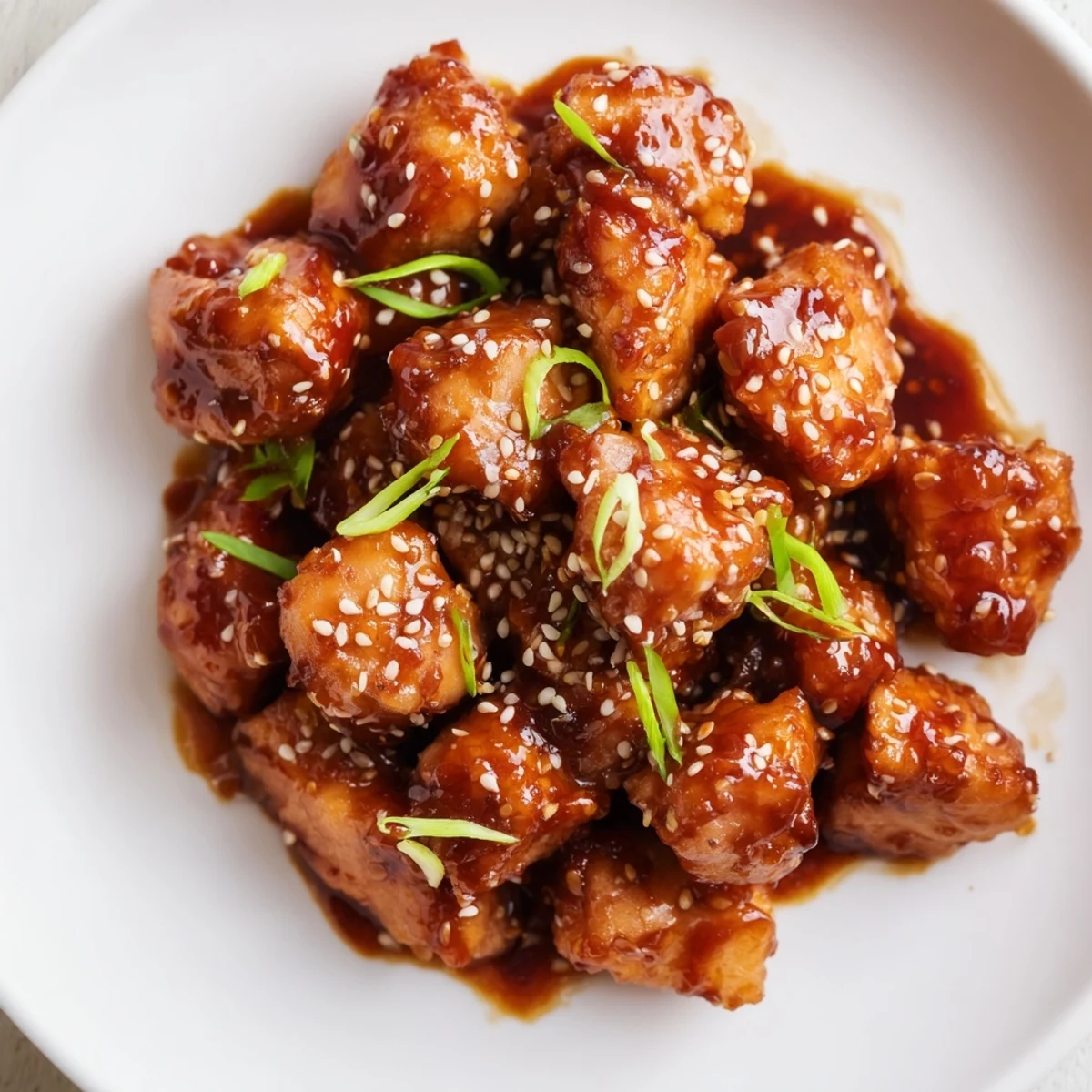
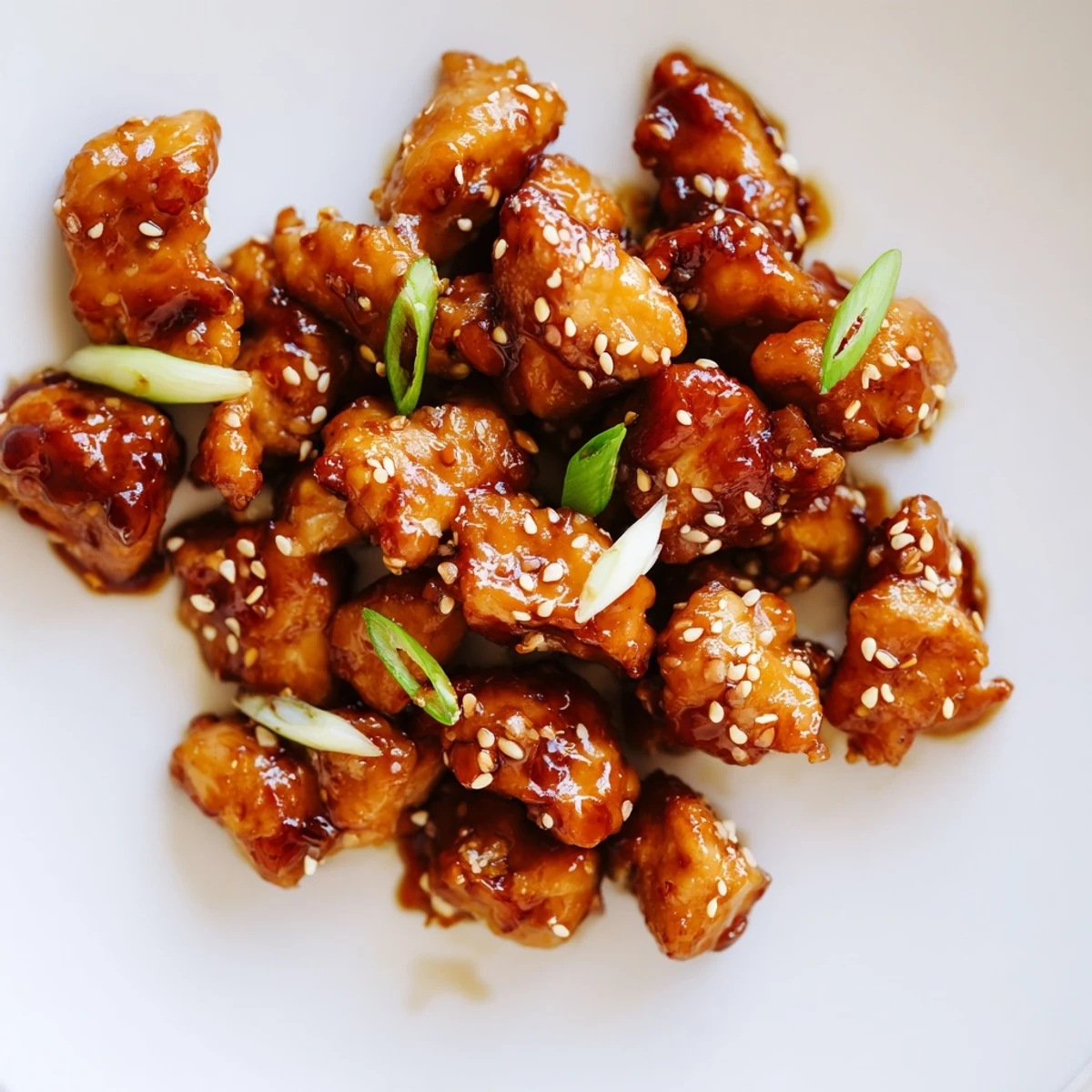
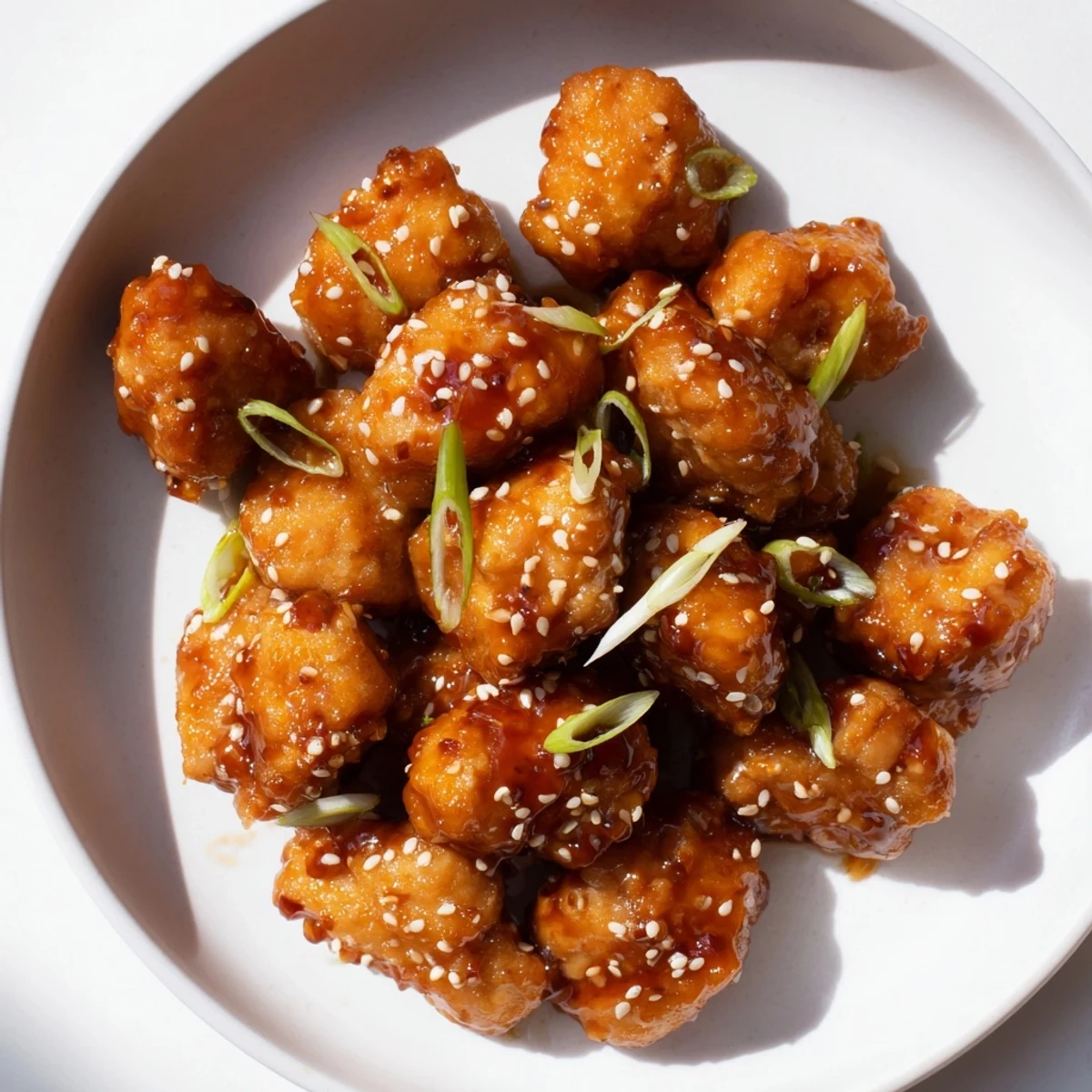
Save This Japanese-inspired weeknight favorite features bite-sized chicken pieces pan-seared until golden, then coated in a glossy homemade teriyaki glaze. The sauce balances salty soy sauce with sweet honey, aromatic garlic and ginger, plus nutty sesame oil for depth. Ready in under 30 minutes, it's perfect served over fluffy steamed rice with a sprinkle of sesame seeds and fresh scallions. The cornstarch slurry creates that restaurant-quality thick coating that clings beautifully to every piece.
The smell of teriyaki hitting a hot skillet takes me back to my first tiny apartment kitchen, where I'd cook the same three dishes on rotation because they felt safe. This chicken teriyaki became one of those recipes I could make without thinking, the one I'd whip up after long days when I needed something that tasted like effort but required almost none. What started as a budget-friendly way to use up chicken thighs turned into the dish my roommate would hover around the stove for, fork in hand, asking 'is it done yet' every thirty seconds.
I once made this for a friend who claimed she hated homemade Asian food because it never tasted 'authentic' enough. She took one bite, paused dramatically, and asked for the recipe before she'd even finished chewing. The secret, I told her, was letting the sauce bubble until it thickened enough to coat the back of a spoon—that transformation from thin liquid to glossy glaze is what makes it taste like it came from a restaurant kitchen.
Ingredients
- Chicken thighs or breasts: Thighs stay juicier but breasts work perfectly if that's what you have on hand, just don't overcook them
- Soy sauce: Low-sodium gives you control over the salt level since the sauce reduces and concentrates
- Mirin: This Japanese sweet rice wine adds depth you can't quite replicate, though dry sherry works in a pinch
- Honey or brown sugar: Honey gives a cleaner sweetness while brown sugar adds a subtle molasses note
- Sesame oil: A little goes a long way—this is for fragrance, not cooking fat
- Cornstarch slurry: This is what transforms the thin sauce into that restaurant-style glaze that clings to every piece
- Sesame seeds and spring onions: The finishing touch that makes it look like you put way more effort in than you actually did
Instructions
- Mix your sauce base:
- Whisk together the soy sauce, mirin, rice vinegar, honey, sesame oil, garlic, and ginger until the honey dissolves completely
- Sear the chicken:
- Cook the chicken pieces in a hot skillet until they're golden on the outside and nearly cooked through, letting them get some color
- Add the sauce:
- Pour in that teriyaki mixture and let it bubble up, stirring occasionally as it starts to thicken slightly
- Create the glaze:
- Stir in your cornstarch slurry and watch the magic happen—it'll go from thin to glossy and thick in about two minutes
- Finish and serve:
- Spoon it over steaming rice and top with sesame seeds and those fresh spring onions for color and crunch
 Save
Save This became my go-to dinner the year I was working late nights and coming home exhausted, knowing I could have something that felt special on the table in under thirty minutes. My partner started calling it 'the good stuff' and would get genuinely excited when he saw the soy sauce and honey come out of the cupboard.
Making It Your Own
Once you've got the basic sauce down, you'll start seeing opportunities everywhere. I've added snap peas during the last two minutes of cooking, thrown in bell peppers for color, or used the glaze on salmon when I wanted something lighter.
The Rice Factor
Freshly cooked rice matters here—its subtle flavor and slightly sticky texture help bind everything together. I learned this the hard way when I tried to use leftover rice and ended up with glaze pooling at the bottom of the bowl instead of coating every bite.
Perfect Pairings
A cold Asian lager cuts through the sweetness perfectly, though my personal favorite pairing is actually crisp cucumber slices dressed with rice vinegar. The cool, sharp contrast makes each bite of the rich teriyaki taste even better.
- Double the sauce recipe if you're serving more than four people—it disappears fast
- Keep extra sesame seeds handy because they add such satisfying crunch
- Leftovers reheat beautifully with a tiny splash of water to loosen the glaze
 Save
Save Sometimes the simplest recipes are the ones that stick around longest, becoming part of your cooking vocabulary without you even noticing. This one's earned its permanent spot in my weeknight rotation, and I suspect it might find its way into yours too.
Common Questions
- → Can I use chicken breasts instead of thighs?
-
Yes, chicken breasts work well though they're leaner. Cut them into even pieces and avoid overcooking to prevent dryness. Thighs naturally stay more tender due to their higher fat content.
- → What can I substitute for mirin?
-
Dry sherry or white wine combined with a pinch of sugar makes a good mirin substitute. You can also use Chinese Shaoxing wine or simply increase the honey slightly for sweetness.
- → How do I make this gluten-free?
-
Replace regular soy sauce with tamari or a certified gluten-free soy sauce alternative. Double-check that your other sauces and condiments are certified gluten-free as well.
- → Can I make the sauce ahead of time?
-
Absolutely. Whisk together all sauce ingredients (except the cornstarch slurry) and store in the refrigerator for up to a week. Add the slurry fresh when cooking to ensure proper thickening.
- → What vegetables work well in this dish?
-
Snap peas, bell peppers, broccoli florets, or edamame add great color and nutrition. Add quick-cooking vegetables during the last 3-4 minutes of cooking so they stay crisp-tender.
- → Why is my sauce not thickening?
-
Make sure your cornstarch slurry is well-mixed before adding, and ensure the sauce is bubbling when you pour it in. If it's still too thin, simmer another minute or two—sauce thickens as it cools slightly.