
 Save
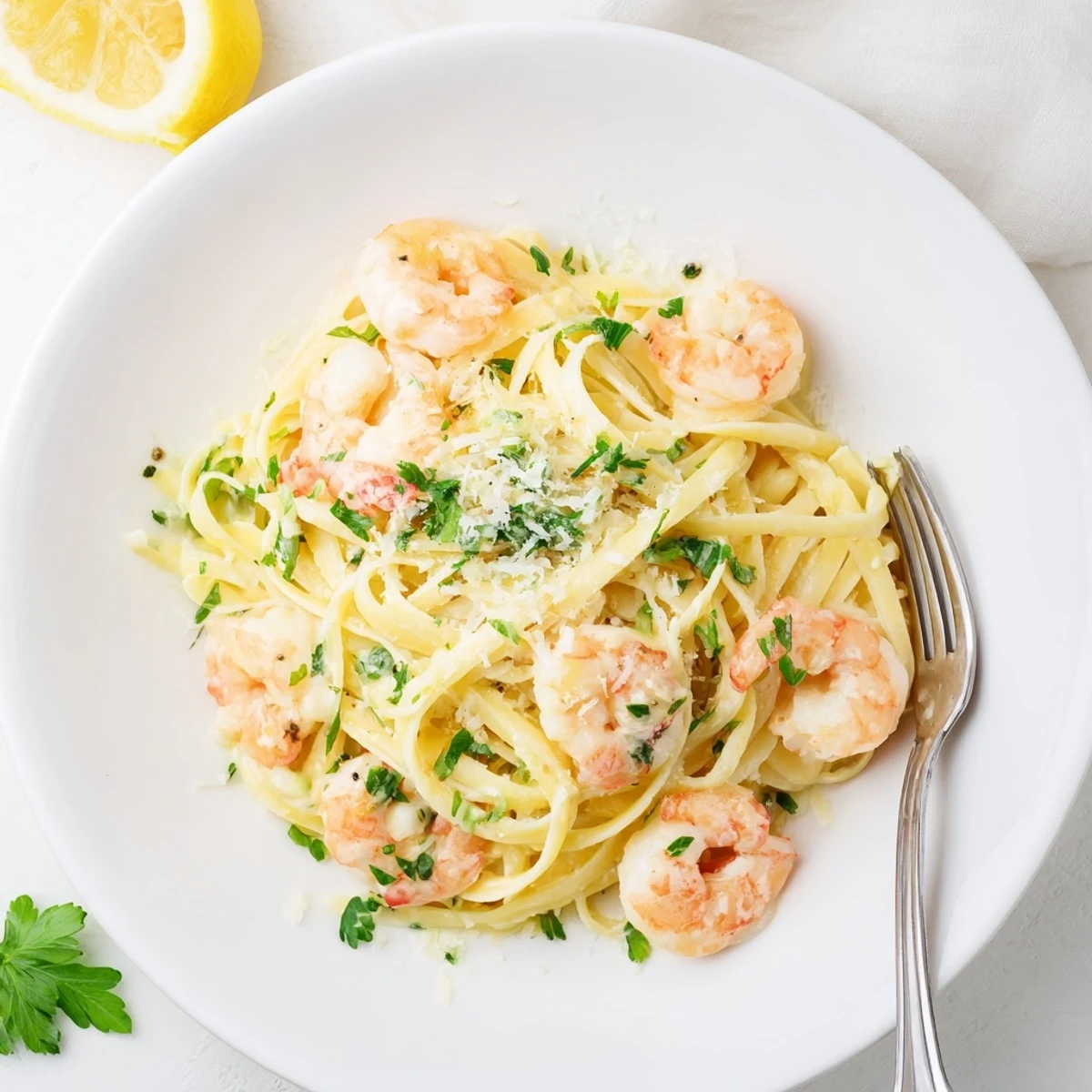
Save This elegant dish combines plump, succulent shrimp with a luxurious garlic cream sauce. The shrimp are quickly seared until golden and set aside while a rich sauce builds from white wine, heavy cream, and bright lemon zest. Freshly grated Parmesan melts into the silky base, creating a velvety coating that clings perfectly to al dente linguine.
Red pepper flakes add subtle warmth, while chopped parsley brings freshness. The entire dish comes together in just 35 minutes, making it ideal for weeknight dinners yet impressive enough for entertaining. Each bite balances the briny sweetness of shrimp with the tangy creaminess of the sauce.
The smell of garlic hitting hot butter still reminds me of my first apartment kitchen, where I learned that timing matters more than technique when making scampi. My roommate walked in mid-sauté and literally stopped in her tracks, asking what I was making that smelled like a restaurant. That was the night shrimp scampi became my go-to dinner party trick, the kind of dish that makes people think you can actually cook.
I made this for my dad last winter when he visited, watching him take that first bite and go completely quiet. He's the kind of cook who measures everything with a scoop and timer, so seeing him nod slowly and ask for seconds felt like passing some unspoken test. Now he texts me every time he attempts it himself, usually with questions about why his sauce never looks quite as creamy.
Ingredients
- 350 g linguine or spaghetti: This amount feeds four hungry people comfortably, and the long strands catch the cream sauce perfectly
- 450 g large shrimp: Fresh shrimp taste noticeably better here than frozen, though both work in a pinch
- 3 tbsp unsalted butter: Unsalted gives you control over the seasoning since you will add salt later
- 2 tbsp olive oil: Keeps the butter from burning at higher temperatures while still lending that rich flavor
- 5 cloves garlic: Do not skimp here since the garlic forms the backbone of the entire sauce
- 1 small shallot: Shallots add a subtle sweetness that regular onions cannot quite replicate in cream sauces
- 120 ml dry white wine: Something you would actually drink works best, Pinot Grigio or Sauvignon Blanc are ideal
- 240 ml heavy cream: The real deal creates that silky restaurant texture, though half-and-half works for a lighter version
- Zest and juice of 1 lemon: Both are essential since zest gives bright aromatic oil while juice provides acidity
- 1/4 tsp crushed red pepper flakes: Adds just enough background heat to make the cream sauce interesting without being spicy
- 40 g freshly grated Parmesan: Buy a wedge and grate it yourself because pre-grated cheese does not melt properly into cream sauces
- 2 tbsp fresh parsley: Flat-leaf parsley has better flavor than the curly variety and looks more elegant
Instructions
- Cook the pasta:
- Drop pasta into salted boiling water and cook until al dente, then reserve that half cup of starchy water before draining, it is liquid gold for fixing sauce consistency later.
- Sear the shrimp:
- Get the pan hot with butter and olive oil, add shrimp in one layer without crowding, and flip when they turn pink, about two minutes total, then remove them immediately.
- Build the base:
- In the same pan, cook shallots until soft and translucent, then add garlic for just thirty seconds until fragrant, taking care not to let it brown or turn bitter.
- Deglaze with wine:
- Pour in white wine and use your wooden spoon to scrape up every bit of flavor from the bottom, letting it bubble for a few minutes until reduced by about half.
- Create the cream sauce:
- Lower the heat and stir in heavy cream, lemon zest, lemon juice, red pepper flakes, and Parmesan, cooking until the cheese melts completely and the sauce coats the back of a spoon.
- Bring it together:
- Toss the pasta and shrimp back into the skillet, adding pasta water a splash at a time if the sauce looks too thick, then finish with fresh parsley and season to taste.
 Save
Save This pasta has become my anniversary dinner tradition, mostly because it feels fancy enough for celebration but does not leave me stuck in the kitchen all evening. Something about the rhythm of the prep, from mincing garlic to zesting lemon, feels almost meditative, like I am taking care of someone through food.
Choosing Your Shrimp
Fresh shrimp from a fish counter will always taste sweeter and more tender than the frozen bags, but if that is what you have available, thaw them slowly in the refrigerator overnight rather than using cold water. The size matters less than you might think, though larger shrimp are easier to sear without overcooking.
Getting That Restaurant Texture
The secret to that velvety cream sauce is tempering, which means letting the cream come to room temperature before adding it to the hot pan. Cold cream can seize and separate when it hits high heat, turning your beautiful sauce into a broken, oily mess.
Perfecting Your Timing
Start boiling your pasta water before you even prep the shrimp, since the pasta should finish cooking right as your sauce comes together. Nothing ruins scampi faster than perfectly cooked shrimp waiting around for pasta that is still boiling.
- Set out all your ingredients before turning on any heat, since this dish moves fast once you start cooking
- Keep your pasta water until the very end in case you need to loosen the sauce
- Warm your serving bowls in the oven for five minutes so the pasta stays hot longer
 Save
Save There is something about hearing people go quiet over a meal you made, seeing them reach for seconds without saying anything. That is the real magic of this dish.
Common Questions
- → Can I make this ahead of time?
-
The sauce can be prepared up to a day in advance and refrigerated. Reheat gently over low heat, adding a splash of cream or pasta water to loosen. Cook the shrimp and pasta fresh for best texture.
- → What type of shrimp works best?
-
Large, wild-caught shrimp (21-25 count per pound) provide the sweetest flavor and best texture. Fresh is ideal, but frozen shrimp thawed overnight work beautifully.
- → Can I substitute the heavy cream?
-
Half-and-half creates a lighter sauce, though it won't be as rich. For a dairy-free version, use full-fat coconut milk, though the flavor profile will change slightly.
- → What wine should I use?
-
A dry, crisp white wine like Pinot Grigio, Sauvignon Blanc, or dry vermouth works best. Avoid cooking wines as they contain excess salt and additives.
- → How do I prevent the sauce from curdling?
-
Keep the heat at medium-low when adding cream to the wine reduction. Avoid boiling rapidly. Stir continuously and add cream slowly while whisking gently.
- → Can I use different pasta shapes?
-
Fettuccine, angel hair, or tagliatelle work wonderfully. For something different, try gemelli or penne, though long strands coat more evenly in the creamy sauce.