
 Save
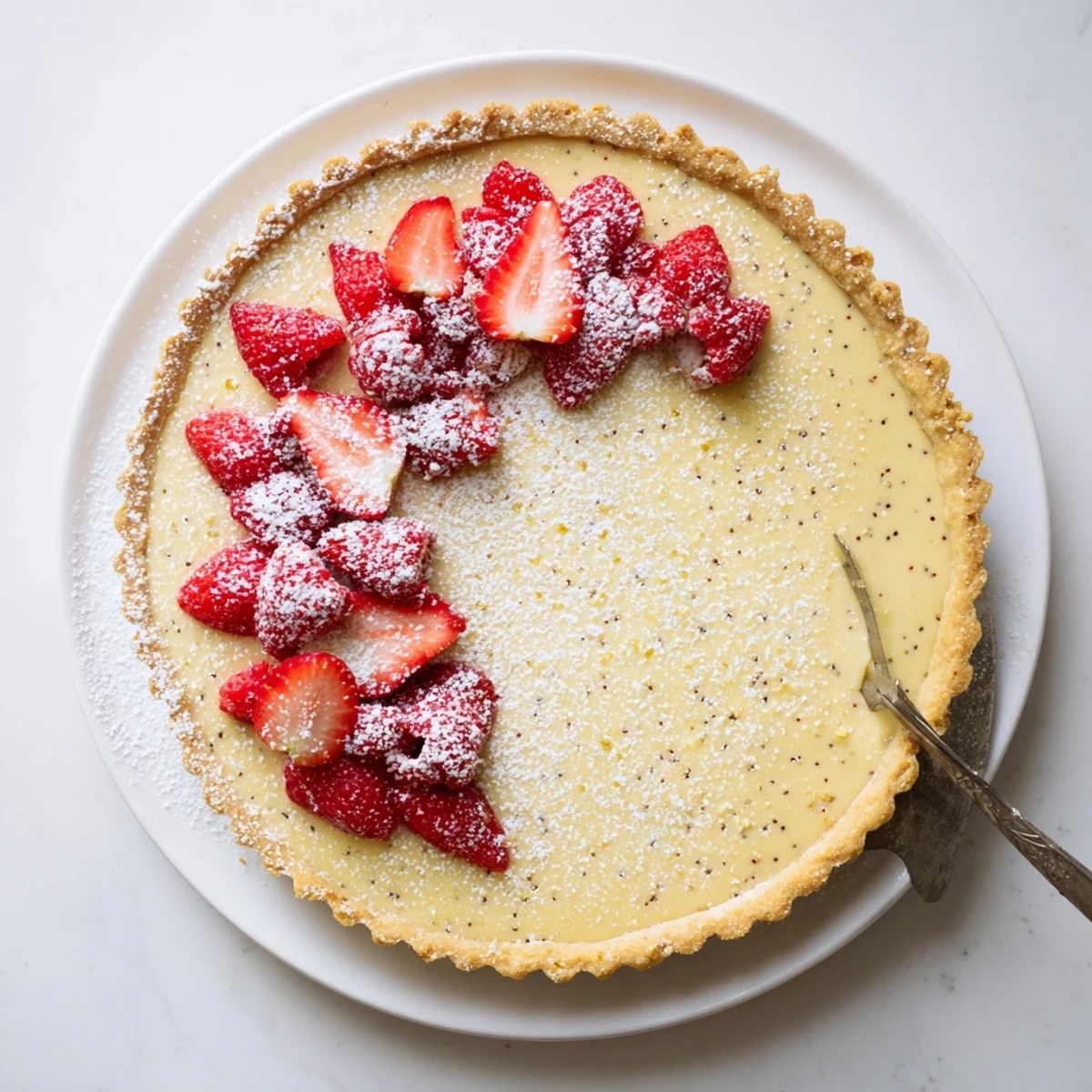
Save This classic French-style tart combines a crisp, buttery pastry shell with luscious vanilla bean pastry cream. The crust uses cold butter and egg yolk for tenderness, while the filling features whole milk infused with real vanilla bean seeds. After blind-baking the golden shell and preparing the silky custard on the stovetop, simply assemble and chill until serving time.
The result is a stunning dessert with professional pastry shop quality. Each slice delivers the satisfying crunch of shortbread-like pastry followed by the velvety sweetness of aromatic vanilla cream. The method requires simple techniques—pulsing dough in a processor, tempering eggs with hot milk, and whisking until thick.
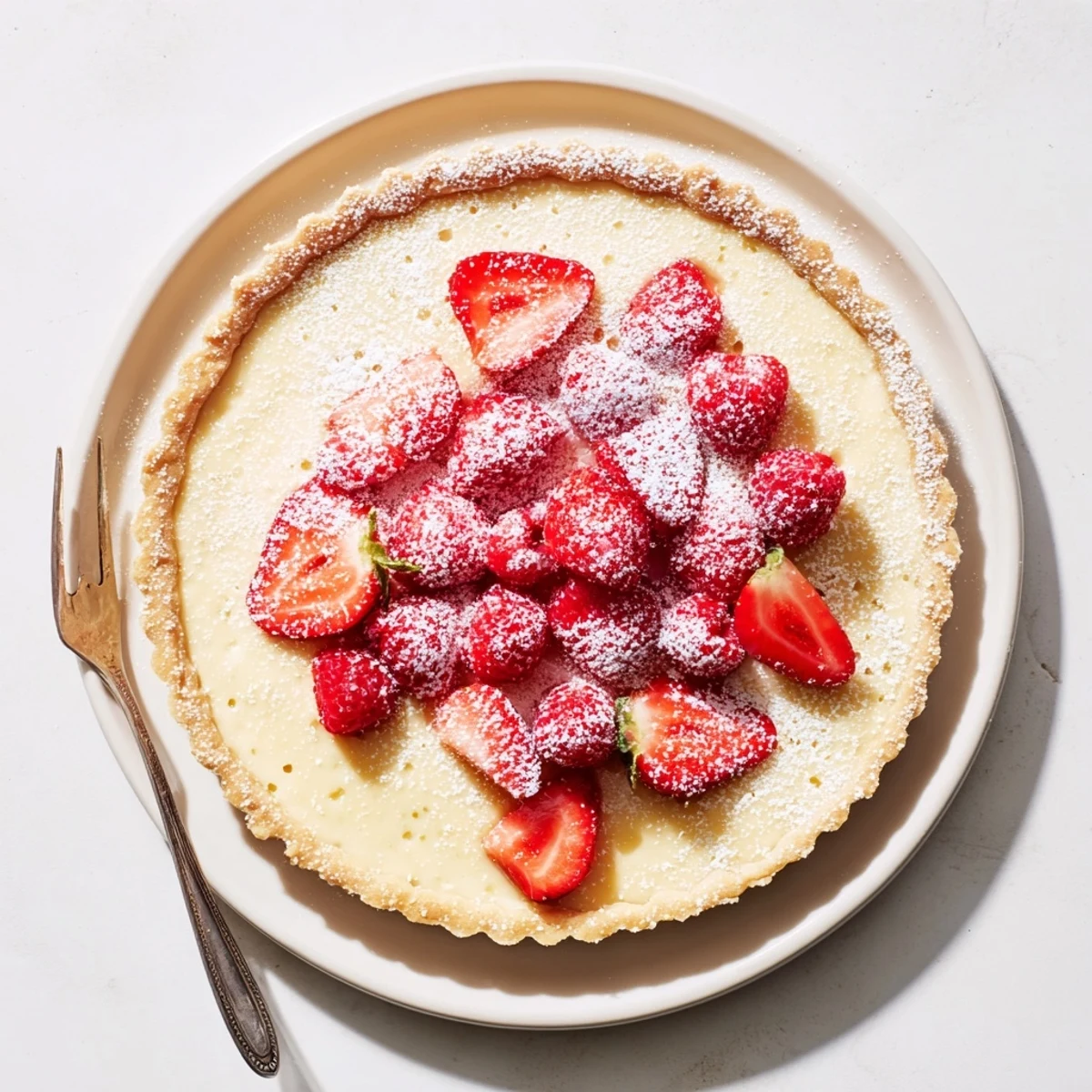
Top with fresh seasonal berries or a dusting of powdered sugar for visual appeal. The pastry cream can be prepared two days ahead, making this ideal for entertaining. For an extra touch, brush the cooled crust with melted white chocolate before adding the filling.
The kitchen was quiet except for the gentle hiss of vanilla seeds hitting hot milk, that unmistakable perfume filling every corner of the room. I'd been intimidated by pastry cream for years, convinced it required some secret French grandmother wisdom I didn't possess. But standing there in my tiny apartment kitchen, watching bubbles break the surface, I realized sometimes the most luxurious things are just patience and heat.
My sister's wedding reception was the first real test of this recipe. I stayed up until 2 AM the night before, nervous energy keeping me company while the tarts chilled. When the catering staff cut into them during service, I watched from across the room as guests took that first bite and their eyes went wide. Sometimes food is just food, but sometimes it's the thing people remember years later.
Ingredients
- All-purpose flour: The protein structure here matters more than you think, creating that tender yet sturdy foundation that won't collapse under the cream's weight
- Cold unsalted butter: I've learned the hard way that even slightly warm butter destroys the flaky texture, so I keep mine in the freezer until the absolute last second
- Powdered sugar: This dissolves into the dough more beautifully than granulated, creating a more tender crumb that practically melts on your tongue
- Fine sea salt: Just a pinch wakes up all the other flavors and prevents that cloying sweetness that plagues too many desserts
- Egg yolk: The fat here creates richness while binding everything together into a dough that actually behaves when you roll it out
- Whole milk: I've tried lower fat versions and they simply don't deliver that luxurious mouthfeel that makes pastry cream so irresistible
- Vanilla bean: Those tiny black specks aren't just beautiful, they're proof you used the real thing rather than something artificial
- Egg yolks: Four might seem excessive until you remember that rich, spoon coating consistency we're chasing here
- Granulated sugar: This sweetness balances the tang from the yolks while helping the custard set into that perfect silky texture
- Cornstarch: The secret weapon that transforms liquid milk into that lush, hold-its-shape filling without becoming rubbery or stiff
- Unsalted butter: Finishing the pastry cream with butter adds that final glossy sheen and rounds out any sharp edges
Instructions
- Build the foundation:
- Pulse the flour, powdered sugar, and salt in your food processor until they're well acquainted, then add those cold butter cubes and watch the mixture transform into something that resembles coarse sand.
- Bring it together:
- Add the egg yolk and pulse again, then drizzle in ice water one tablespoon at a time until the dough actually cooperates and forms a ball.
- Let it rest:
- Flatten the dough into a disk, wrap it tightly, and chill it for at least an hour because warm dough shrinks in the oven and nobody wants a shrunken crust.
- Preheat and prep:
- Get your oven to 350°F and find your tart pan, because this is where the magic starts happening.
- Roll and shape:
- On a floured surface, roll the dough to fit your 9-inch pan, press it gently into the edges, and trim the excess before giving the bottom a few strategic fork pricks.
- Blind bake like you mean it:
- Line the crust with parchment, weigh it down with pie weights, and bake for 15 minutes before removing everything and letting it get golden for another 8 to 10 minutes.
- Infuse the milk:
- Heat the milk with that split vanilla bean, both pod and seeds, until it just starts to simmer, then pull it off the heat and fish out the pod.
- Create the base:
- Whisk those yolks with sugar, cornstarch, and salt until the mixture turns pale and you can feel the texture change under your whisk.
- Temper like a pro:
- Slowly pour that hot milk into the egg mixture while whisking furiously, because scrambling eggs is not the vibe we're going for here.
- Cook until thick:
- Return everything to the saucepan and cook over medium heat, whisking constantly, until bubbles burst on the surface and the mixture transforms into something luscious.
- Finish with butter:
- Remove from heat and stir in the softened butter until everything is impossibly smooth, then press plastic wrap directly onto the surface and chill until completely cold.
- Assemble your masterpiece:
- Spread that silky cream into your cooled tart shell, maybe add some fresh berries if you're feeling fancy, and dust with powdered sugar right before serving.
 Save
Save There was this dinner party last fall where I served these tarts, and my friend Sarah, who claims to hate desserts, went back for seconds. She sat there with her eyes closed, just savoring each bite, and eventually admitted that maybe she'd just been eating the wrong desserts her whole life. That's the thing about truly good food, it changes people's minds without even trying.
The Secret To That Silky Texture
I've discovered that the key is stopping at just the right moment during the cooking process. That sweet spot where the cream thickens but hasn't quite reached its full potential yet, because it will continue setting as it cools. Push it too far and you'll end up with something closer to rubber than silk.
Making It Ahead
Both components actually benefit from some time to rest. The crust flavors develop overnight, and the pastry cream needs those hours to fully chill and set. I often make everything the day before and assemble just before serving, which somehow makes the whole process feel much less stressful.
Getting The Most From Your Vanilla
After scraping those precious seeds, don't toss the pod. Tuck it into your sugar canister and within a week you'll have vanilla infused sugar that transforms everything from coffee to simple cookies. It's the little economies like this that make baking feel sustainable rather than wasteful.
- Save your used pods in an airtight container until you have enough to make vanilla extract
- Scrape the pod against the sharp edge of your knife rather than cutting it open to get every last seed
- If using extract instead of beans, add it off the heat to preserve those volatile aromatic compounds
 Save
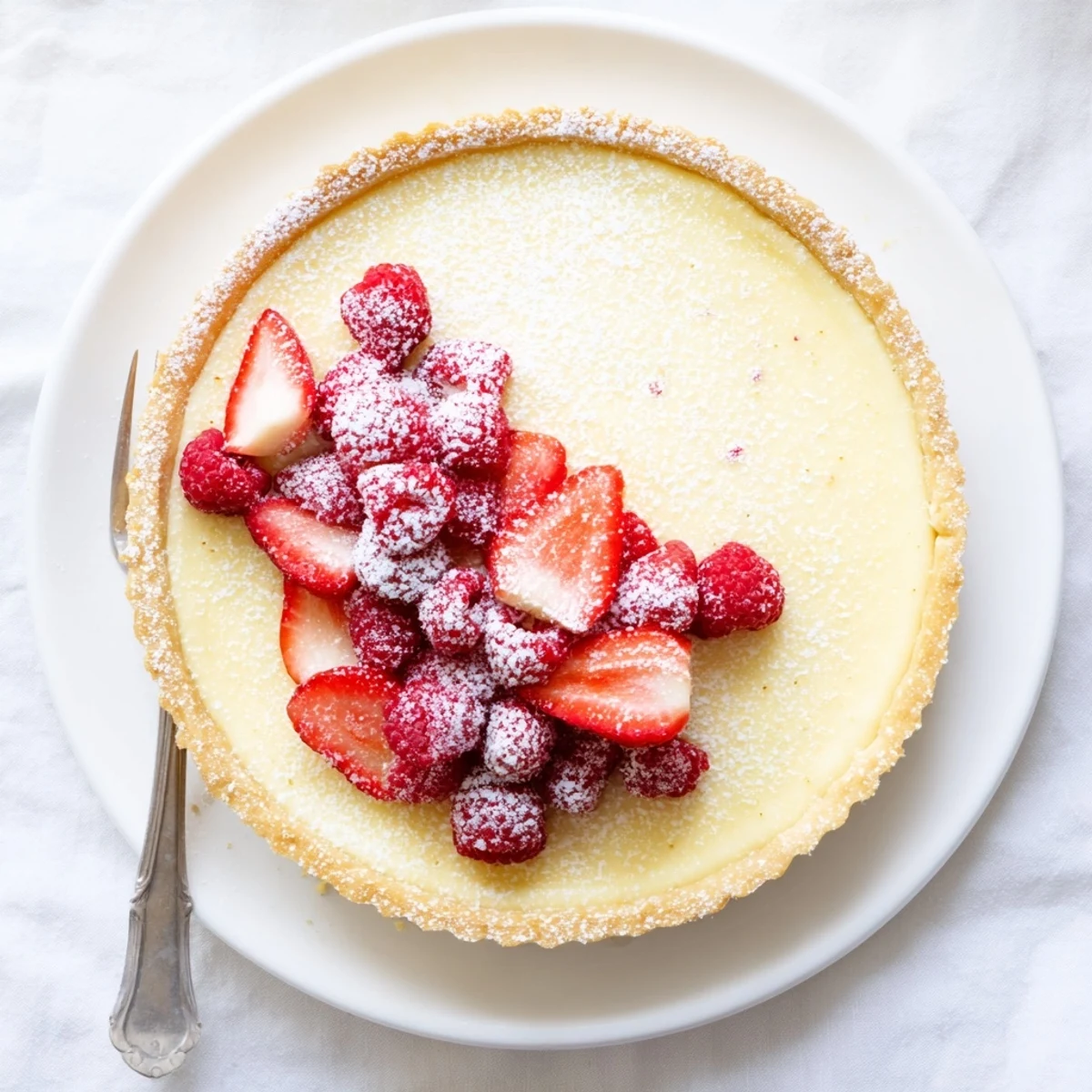
Save Some desserts are about showing off technique, but this one is about patience and quality ingredients treated with respect. That first fork cutting through crisp crust into yielding cream, somehow worth every minute spent waiting.
Common Questions
- → How far in advance can I make the pastry cream?
-
The vanilla bean pastry cream can be prepared up to 2 days ahead. Store it in an airtight container in the refrigerator with plastic wrap pressed directly onto the surface to prevent a skin from forming. Bring to room temperature and give it a quick whisk before filling the tart shell.
- → Can I freeze the assembled tart?
-
Freezing the fully assembled tart is not recommended as the texture of the pastry cream can become grainy and watery when thawed. However, you can freeze the unbaked tart dough disk for up to 3 months, or freeze the baked tart shell (without filling) for up to 1 month. Thaw overnight in the refrigerator before use.
- → What fruits work best for topping?
-
Fresh berries are ideal—strawberries, raspberries, blueberries, or blackberries complement the vanilla flavor beautifully. Sliced stone fruits like peaches or plums work well during summer months. Arrange the fruit artistically on the chilled tart just before serving for the best presentation and texture.
- → Why does my pastry cream taste eggy?
-
An eggy flavor usually means the custard was overcooked or cooked at too high a temperature. Keep the heat at medium and whisk constantly once the milk is incorporated. Remove from heat as soon as the mixture thickens and bubbles appear. The gentle cooking process preserves the vanilla flavor without emphasizing egg notes.
- → Can I use vanilla extract instead of a vanilla bean?
-
Yes, vanilla extract works as a substitute, though the flavor will be less complex. Use 2 teaspoons of pure vanilla extract added to the milk while heating. For the closest alternative to vanilla beans, try vanilla bean paste which contains the flavorful seeds and offers similar depth to the original ingredient.
- → How do I know when the tart crust is fully baked?
-
The crust should be golden brown all over, including the bottom. If you're unsure, carefully lift the tart pan to check the underside—it should have no pale or doughy spots. The edges should be a deeper golden color. This thorough baking ensures a crisp texture that won't become soggy when filled with the pastry cream.