
 Save
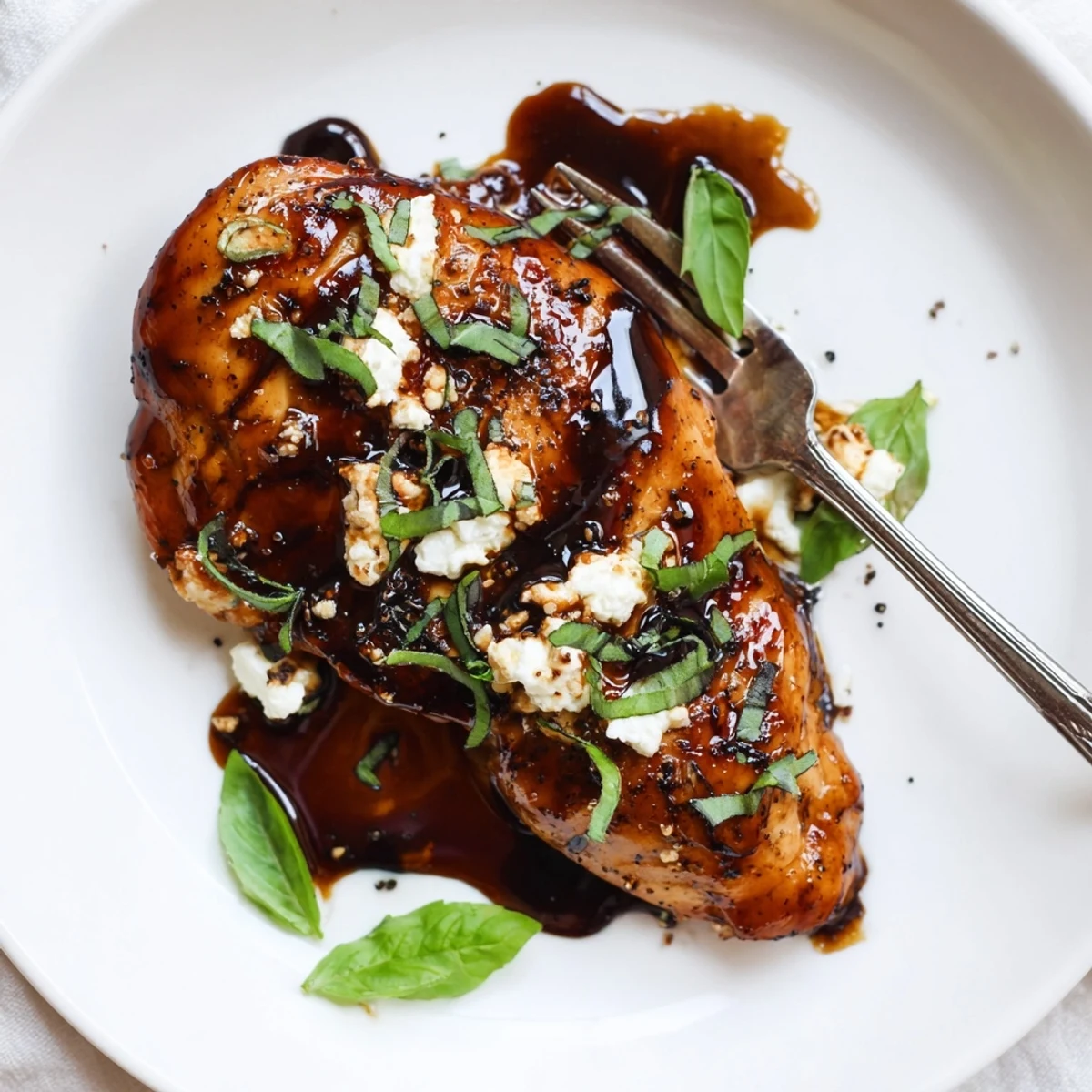
Save Quick, elegant weeknight main: boneless chicken breasts are coated in a whisked mix of balsamic, honey, Dijon, garlic and olive oil, then baked until juicy. A final scatter of crumbled goat cheese softens on top while fresh chopped basil and an optional extra reduction add brightness and depth. Ready in about 40 minutes; serve with roasted vegetables or a green salad.
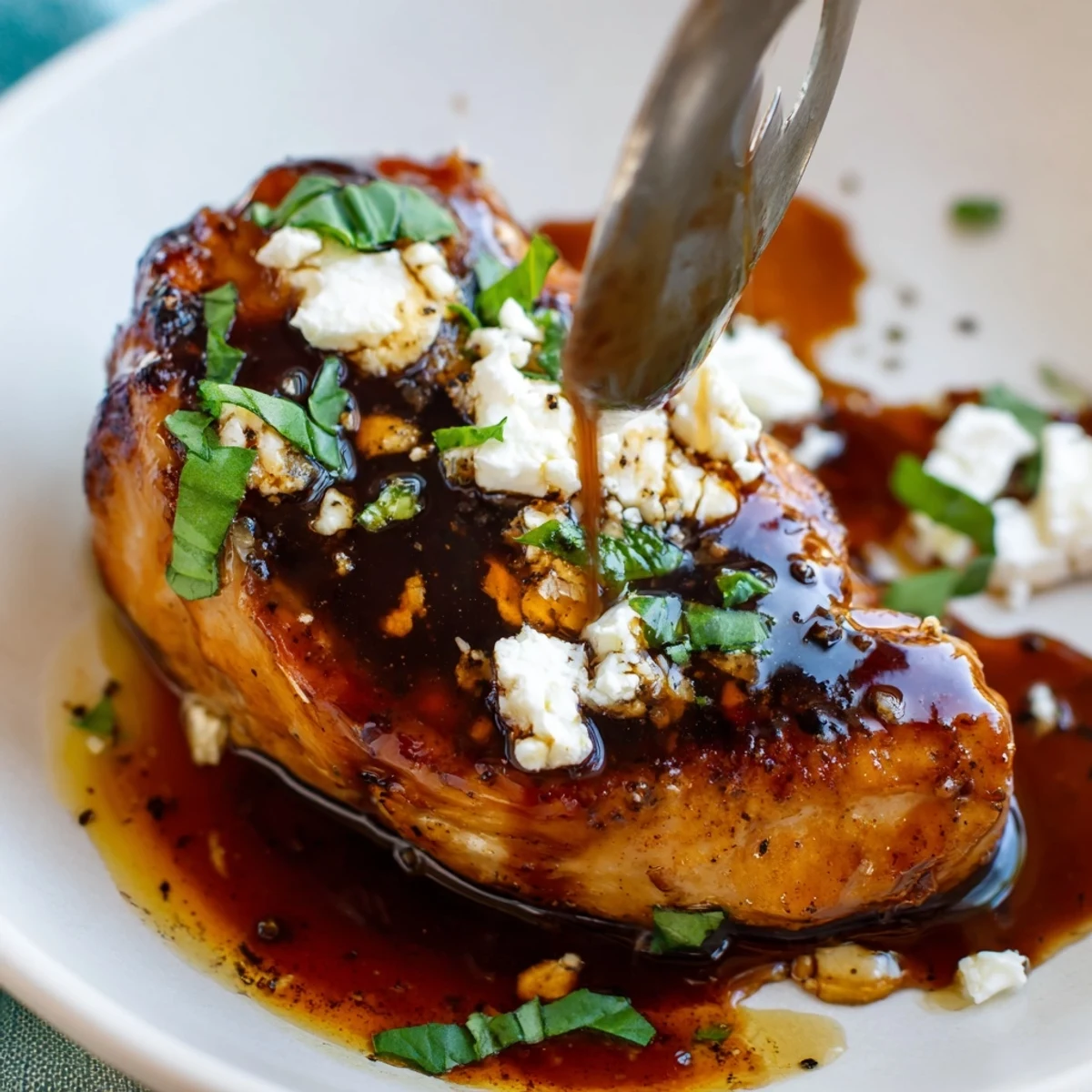
The smell of balsamic vinegar hitting a hot pan is one of those scents that instantly makes a kitchen feel like home, deep and almost syrupy with a promise of something good coming. I threw this dish together on a rainy Tuesday when the fridge offered nothing but chicken and a half empty bottle of vinegar, and it turned into the meal my roommate still texts me about. The goat cheese melts into little creamy pools on top, and the basil makes it taste like you tried way harder than you actually did.
I served this at a small dinner party once and watched my friend Sarah close her eyes after the first bite, which is honestly the highest compliment a home cook can get. She asked for the recipe before she even finished chewing, and now it apparently makes a regular appearance at her own table on busy weeknights.
Ingredients
- 4 boneless, skinless chicken breasts: Try to pick ones of similar thickness so they cook evenly, or give the thick ones a gentle pound with your fist through plastic wrap.
- 1/3 cup balsamic vinegar: You do not need the expensive aged stuff here, a decent supermarket bottle works beautifully once it reduces.
- 2 tablespoons honey: This balances the acidity of the vinegar and helps create that gorgeous sticky glaze.
- 1 tablespoon Dijon mustard: It acts as an emulsifier so the marinade stays blended and adds a subtle sharpness.
- 2 cloves garlic, minced: Fresh garlic only, the jarred kind lacks the punch this dish relies on.
- 2 tablespoons olive oil: Keeps the chicken moist and carries flavor across every surface.
- 1/2 teaspoon salt and 1/4 teaspoon black pepper: Simple seasonings that let the balsamic shine.
- 4 oz goat cheese, crumbled: Let it come to room temperature so it softens into the chicken instead of sitting in cold clumps.
- 1/4 cup fresh basil, chopped: Tear it by hand right before serving, a knife can bruise the leaves and turn them dark.
Instructions
- Preheat and prepare:
- Set your oven to 400°F and grab a baking dish large enough to hold all four breasts without crowding, because they need room to caramelize properly.
- Whisk the glaze:
- Combine the balsamic vinegar, honey, Dijon, minced garlic, olive oil, salt, and pepper in a bowl and whisk until it looks glossy and unified, taking a moment to appreciate how good it already smells.
- Coat the chicken:
- Nestle the chicken into the baking dish and pour the marinade over every piece, flipping them once or twice so nothing is left dry. Let them sit for ten minutes if you have the time, the flavor payoff is worth it.
- Bake and baste:
- Slide the dish into the oven and bake for 20 to 25 minutes until the thickest part hits 165°F, spooning the bubbling pan juices back over the chicken once halfway through so nothing dries out.
- Add the goat cheese:
- Pull the dish out briefly and scatter crumbled goat cheese across the hot chicken, then return it to the oven for two or three minutes just until the cheese softens into irresistible little creamy patches.
- Finish and serve:
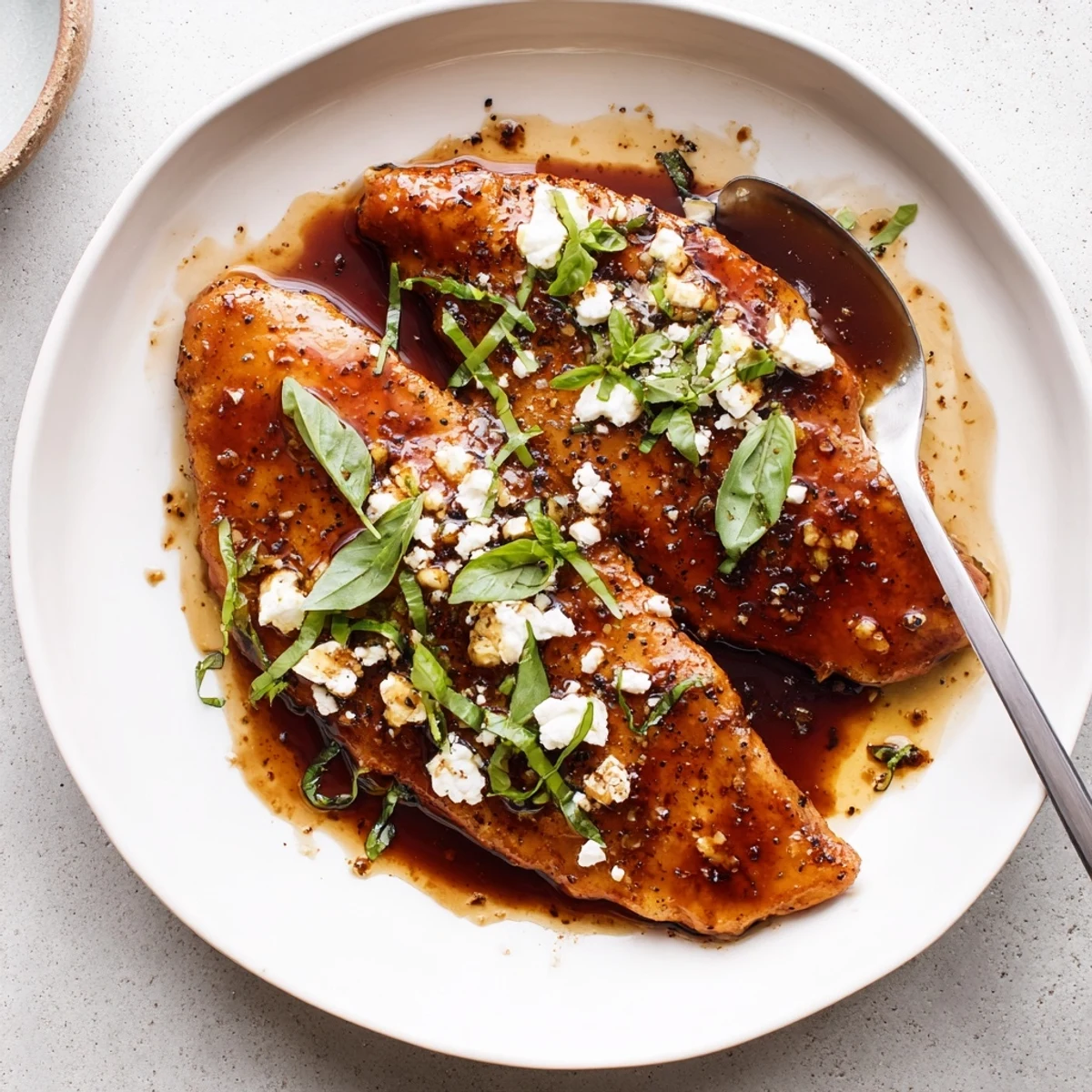
- Transfer each breast to a plate, spoon the concentrated pan sauce over the top, and shower everything with fresh basil. An extra drizzle of balsamic glaze and a crack of pepper on top seals the deal, serve it right away while the cheese is still warm.
 Save
Save The night I realized this recipe had earned a permanent spot in my rotation, I was eating leftovers cold straight from the fridge at midnight, standing in the light of the open refrigerator door, and it was still incredibly good.
What to Serve Alongside It
Roasted vegetables are the easiest companion here because you can toss them on a sheet pan and slide them into the oven right next to the chicken. A crisp green salad with a light vinaigrette cuts through the richness, and mashed potatoes will soak up every drop of that balsamic pan sauce like nothing else.
Swaps and Substitutions
Chicken thighs work just as well if you prefer dark meat, though they may need a few extra minutes in the oven. If goat cheese is not your thing, feta brings a similar tang with a firmer texture, and arugula or flat leaf parsley can stand in for basil when you want a slightly different herbal note.
Storing and Reheating
Leftovers keep well in an airtight container in the fridge for up to three days and reheat gently in a covered skillet over low heat so the goat cheese does not separate. The balsamic flavor actually deepens overnight, making this one of those rare dishes that tastes even better the next day.
- Store the chicken and any extra sauce together so nothing dries out.
- Avoid microwaving at full power, thirty second intervals at half power preserve the texture.
- Always check that reheated chicken reaches at least 165°F internally before serving.
 Save
Save This is the kind of recipe that reminds you weeknight cooking does not have to be boring or complicated to feel special.
Common Questions
- → What oven temperature and time work best?
-
Bake at 400°F (200°C) for 20–25 minutes for boneless breasts. Check for an internal temperature of 165°F (74°C) and rest a few minutes before serving to retain juices.
- → How do I make a balsamic reduction?
-
Simmer balsamic vinegar with a splash of honey over medium heat until it thickens and coats the back of a spoon, about 8–12 minutes. Cool slightly before drizzling.
- → How can I keep the chicken moist?
-
Marinate briefly in the glaze, baste once while baking, and avoid overcooking. Alternatively, brining for 15–30 minutes adds extra juiciness for lean breasts.
- → Can I use chicken thighs instead of breasts?
-
Yes. Use boneless thighs for similar timing, or bone-in thighs at the same temperature but increase cooking time and check for doneness with a thermometer.
- → What are good substitutes for goat cheese?
-
Crumbled feta, ricotta salata, or a dollop of mascarpone provide creamy saltiness and melt nicely as a finishing touch if goat cheese isn’t available.
- → How should leftovers be stored and reheated?
-
Refrigerate in an airtight container for up to 3–4 days. Reheat gently in a 325°F (160°C) oven until warmed through and revive the glaze with a quick splash of balsamic reduction if needed.